The average yield on Nigerian Treasury bills (NTB) fell midweek as positive momentum in the secondary market increased – despite inflation and interest rates being in the double-digit range.
According to fixed income dealers, the secondary market bill-buying opportunity occurred at a time when the market was grappling with liquidity shortages, which has driven funding rates into the double digits.
Short-term benchmark rates – open repo and overnight lending rates – had been in the single digits for a long time before beginning to rise after liquidity dryness in the money market.
The overnight lending rate (OVN) and the open repo rate (OPR) both increased significantly, reaching double-digit levels of 11.25% (up from 2.71%) and 12.30% (up from 3.42%), respectively.
According to market experts, the overnight lending rate increased dramatically by 888 basis points to 12.3% following the completion of the N657.84 billion FGN bond primary market auction on Monday. As a result, financial system liquidity fell to 121.86 billion from 412.59 billion.
As a result, trade in the Nigerian Treasury bills secondary market became positive, with the average yield falling 191 basis points to 4.3%. >>> The yield on Nigerian Treasury Bills has risen to 7%.
Cordros Capital stated in its market report that the average yield fell throughout the curve in the short (-329bps), mid (-218bps), and long (-148bps) segments.
The yield deceleration followed record demand for notes maturing in 36 days (-381bps), 141 days (-222bps), and 239 days (-255bps), respectively.
To put it another way, investors who buy interest in 36-day notes reduce the accompanying yield line by 381 basis points. The similar trend was observed on 141-day bills, leading the yield curve associated with the tenor to fall by 222 basis points. The yield on 239-day notes fell by 255 basis points.
Cowry Asset Management reported in its market update that tightening liquidity circumstances caused the Nigeria Inter-Bank Offered Rate (NIBOR) to rise across most tenor buckets.
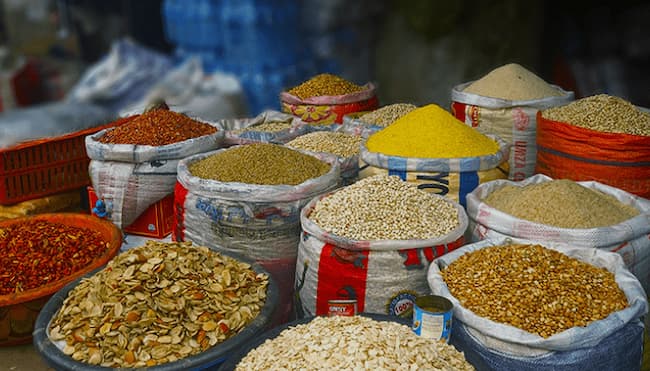
The Federal Government of Nigeria and the United Nations have both urged for a comprehensive strategy to addressing food insecurity in Nigeria. The FG made the announcement on Wednesday at the Pre-food Systems Stack-taking Moments media engagement in Abuja.
The Federal Ministry of Finance, Budget, and National Planning, as well as the United Nations Information Centre, organized the event. On July 13, Nigerian President Bola Tinubu announced a state of emergency for food security.
The food system, according to FMFBNP Permanent Secretary Nebeolisa Anako, is the most sophisticated, with complex networks that involve input and output of food production processes and consumption. Anako said, “This is because the food produced through farming needs to pass through some stages before it goes to the stomach.
“The food system problem has been on transportation of food from the farm looking for seedlings to plant, to the time we plant.”
The Permanent Secretary noted that the FG is working towards reducing hunger, food insecurity, and malnutrition. He noted “When you lack food, you cannot leave nutrition aside. It is about eating healthy food that will give human capita and healthy population.”
“We want to drastically reduce food importation and promote sustainable food trade as a country and we are getting there, this is a project that concerns all of us.”
Also, the Permanent Secretary, Federal Ministry of Agriculture and Rural Development, Ernest Umakhihe, said the call became important for stakeholders in the African sector to ensure food security.
Umakhihe, represented by the Director in charge of Nutrition and Food Safety at the ministry, Sugra Mahmood, noted “As we are all aware, our country is facing a severe crisis in line with the recent declaration on the state of emergency on food security and water by President Bola Tinubu.
“The declaration demands our utmost intention and collective efforts to address the perceived challenges, and explore the prospects of sustainable food security in Nigeria.”
In his remark, the Director of UNIC, Ronald Kayanja, stated “Nigeria is the biggest country in the continent, in terms of population. It is in everybody’s interest to have a well-functioning Nigeria and agriculture is the core of the economy.
“The president’s declaration on an emergency on food security alerts was needed to achieve the desired goal.”
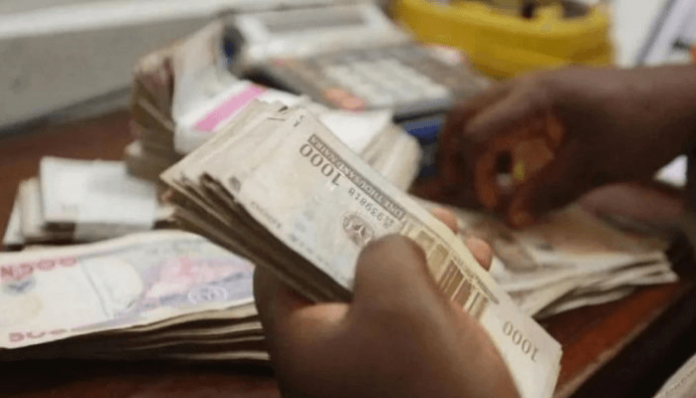
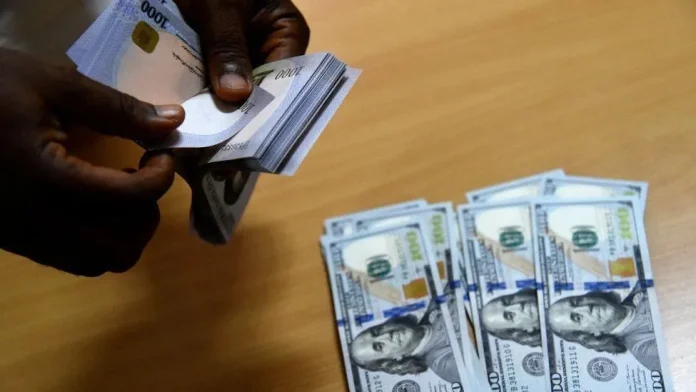
The naira currency appreciated against the United States dollar on the Investor & Exporter forex window on Wednesday, closing at 793.70/$.
The naira currency had earlier traded at N825 /$ a week before on the I&E window.
According to figures gotten from the FMDQ, the trading, which commenced at 778.07/$ on Wednesday reached a high of 853/$ before closing at 793.70/$.
The trading also recorded a turnover of $87.19m as of the end of trading.
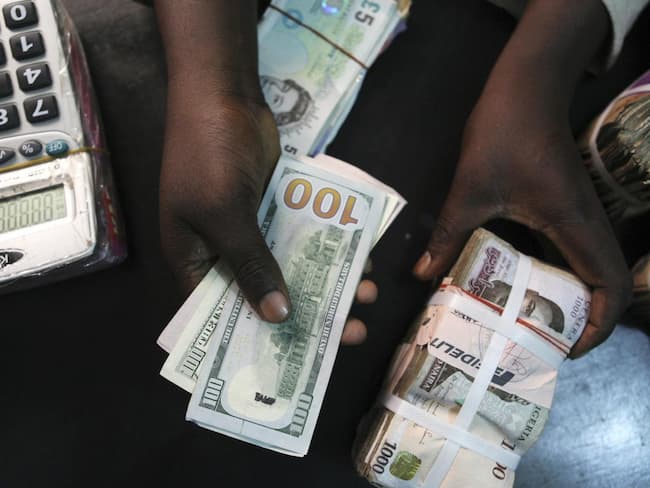
Some Bureau de Change operators said the dollar was bought and sold at N820 and N825 at the parallel market.
The Central Bank of Nigeria (CBN), in recent weeks, directed Deposit Money Banks to remove the rate cap on the naira at the I&E window to allow for a free float of the national currency against the dollar and other global currencies.
The banking regulator explained its new forex operation in its report on ‘Understanding the operational changes to the foreign exchange market’.
By collapsing all segments in the FX market into the I&E window, it said this meant all eligible FX transactions in the market would only be done via the I&E window, as all other windows ceased to exist.
“The I&E market functions by a willing buyer, willing seller system, where an entity with demand for FX seeks out another entity with FX to sell at an agreed price through an authorised dealer,” the CBN stated.
On the concept of the willing buyer and willing seller model, it explained that the rates were mutually agreed by both parties.
The CBN said PTA, BTA and other invisible transactions would continue to be accessed through the banks at the prevailing market rate.
According to the data at the FMDQ Security Exchange where forex is traded officially, the dollar to naira exchange rate stood at (undisclosed).
This would mean that the Nigerian currency dropped in value against the United States dollar, as the foreign exchange (forex) trading closed at ₦793.70 per $1 on Wednesday, July 19.
How much is the dollarto naira at the black market today?
Going by sources at the Bureau De Change (BDC) in Lagos, the dollar to naira last exchanged between ₦820 and ₦830 with an average of ₦826.67 n the black market in the state.
It is, however, pertinent to note that the Central Bank of Nigeria (CBN) does not recognise the parallel market (black market), as it has directed individuals who want to engage in forex to approach their respective banks.
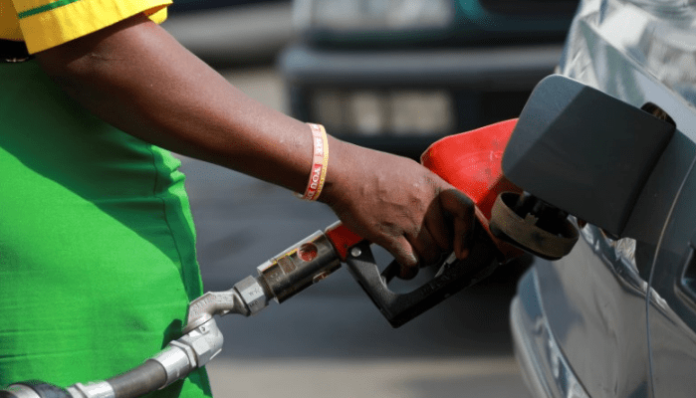
Femi Falana, SAN, a human rights lawyer, has criticized the Nigerian National Petroleum Company (NNPC) Limited for raising the pump price of Premium Motor Spirit (PMS), or fuel, from roughly ₦500 to ₦617 per litre.
Falana was responding to the NNPCL’s apparent overnight price increase on Tuesday, which marked the second impromptu petrol price revision in less than two months — up from a baseline price of ₦185 in May.
The Senior Advocate of Nigeria stated on Wednesday that President Bola Tinubu announced in his inauguration address in May that his administration will administer the country in accordance with the rule of law.
He cited a Federal High Court decision that ruled that the Federal Government “must always fix the price of petroleum products sold across Nigeria” under the combined effect of the Petroleum Act, the Price Control Act, and the Constitution.
The Federal Government, he claims, was displeased with the decision and filed an appeal with the Court of Appeal.
“Even though the appeal has not been determined the Nigerian National Petroleum Corporation Limited has usurped the power of the Federal Government to determine and fix the prices of petroleum products in the country,” Falana said.
“It is undoubtedly clear that the action of the NNPCL is illegal and contemptuous since the judgment of the Federal High Court on the subject matter has not aside by a higher court.”
See Falana’s full statement below
NNPCL LACKS POWER TO FIX PRICE OF PETROL
In his inauguration address delivered on May 29, 2023, President Bola Tinubu announced that his administration would govern the country in accordance with the rule of law. The implication of the commitment is that the actions of the Government and its agencies will be carried out under the law.
The people of Nigeria were taken aback yesterday when the Nigeria National Petroleum Corporation Limited increased the pump price of petrol from N500 to N617. After increasing the price the NNPCL turned round to claim that it was fixed by market forces. It is submitted that the increase of the pump price of petrol by the NNPCL is is an affront to the rule of law on the ground that it is illegal in every material particular.
In Bamidele Aturu v Minister of Petroleum Resources (Suit No FHC/ABJ/CS/591/2009), the Plaintiff challenged the plan of the Federal Government to deregulate the downstream sector of the petroleum industry and allow market forces to determine the prices of petroleum products.
In a landmark judgment delivered on March 19, 2013, the Federal High Court, presided over by Adamu Bello J. (as he then was) held that by the combined effect of the Petroleum Act, Price Control Act and the Constitution the Federal Government “must always fix the price of petroleum products sold across Nigeria.”
Specifically, the reliefs granted by Federal High Court include the following:
“1. A DECLARATION that the policy decision of the Defendants to deregulate the downstream sector of the petroleum industry by not fixing the prices at which petroleum products may be sold in Nigeria is unlawful, illegal, null, void and of no effect whatsoever being in vicious violation of the mandatory provision of section 6 of the Petroleum Act, cap P.10, Laws of the Federation of Nigeria, 2004.
“2. A DECLARATION that the policy decision of the Defendants to deregulate the downstream sector of the petroleum industry by not fixing the prices at which petroleum products may be sold in Nigeria is unlawful, illegal, null, void and of no effect whatsoever being in flagrant violation of the mandatory provision of section 4 of the Price Control Act, cap P28, Laws of the Federation of Nigeria, 2004.
“3 A DECLARATION that the policy decision of the Defendants to deregulate the downstream sector of the petroleum industry by not fixing the prices at which petroleum products may be sold in Nigeria is unlawful, illegal, null, void and of no effect whatsoever being in conflict with Section 16(1)(b) of the Constitution of the Federal Republic of Nigeria, 1999 which provides that the Government shall control the national economy in such manner as to secure the maximum welfare, freedom and happiness of every citizen on the basis of social justice and equality of status and opportunity.
“4. A DECLARATION that that the policy decision of the Defendants to deregulate the downstream sector of the petroleum industry by not fixing the prices at which petroleum products may be sold in Nigeria has the effect of making the freedom of movement guaranteed in section 41 of the Constitution of the Federal Republic of Nigeria, 1999 illusory for the Plaintiff and the generality of Nigerians and is therefore illegal, unconscionable and unconstitutional and of no effect whatsoever.
“5. AN ORDER restraining the Defendants their agents, privies, collaborators and whosoever and howsoever from deregulating the downstream sector of the petroleum industry or from failing to fix the prices of petroleum products as mandatorily required by the Petroleum Act and the Price Control Act.”
Dissatisfied with the judgment of the Federal High Court the Federal Government filed an appeal at the Court of Appeal. Even though the appeal has not been determined the Nigerian National Petroleum Corporation Limited has usurped the power of the Federal Government to determine and fix the prices of petroleum products in the country. it is undoubtedly clear that the action of the NNPCL is illegal and contemptuous since the judgment of the Federal High Court on the subject matter has not aside by a higher court.
It ought to be pointed out that the NNPCL is no longer an agency of the Federal Government but a limited liability company which is regulated by the Nigerian Upstream Regulatory Commission (NUPRC) and the Nigerian Midstream and Downstream Petroleum Regulatory Authority in charge of the petroleum industry.
The action of the NNPCL has confirmed that the company has continued to exercise monopoly in the importation and distribution of petrol in the country contrary to the letter and spirit of the Petroleum Industry Act, 2021.
Having liberalised the petroleum sector the NNPCL lacks the power to fix the prices of petroleum products in any part of Nigeria. It is high time that the NNPCL was restrained from further fixing the prices of petroleum products in the country.
Femi Falana SAN, The Chair, Alliance on Surviving Covid 19 and Beyond (ASCAB). July 19, 2023
Mmesoma Ejikeme, the candidate at the center of a UTME results falsification scandal, has written to the Joint Admission and Matriculation Board (JAMB) pleading for forgiveness.
The 19-year-old read an apology letter before the House of Representatives ad hoc committee on the manipulation in Abuja on Wednesday.
According to JAMB, Mmesoma claimed a score of 362 rather than her genuine result of 249.
In one viral video seen by BizWatch Nigeria, she proudly displayed the result, which she said was obtained from the official JAMB portal.
The Board, on the other hand, supplied proof that Mmesoma had sought her result via its automated SMS-based service, which had consistently returned with the 249 score.
Mmesoma informed the lower chamber that she had admitted what she did was wrong and that it was the reason she came to give her “Letter of Profound Apology.”
“I humbly seek your forgiveness for the mistake I made. I sincerely agree that I got the JAMB result from another portal. In the course of this, I lambasted JAMB; I apologise,” she said.
“Words cannot describe the depth of pain in my heart. This is the first time I will be doing this, I have never engaged in falsification or any misdemeanour,” she said, adding that it was not in her character to manipulate results or bring public institutions to ridicule.
Mmesoma informed lawmakers that she had accepted true repentance and that she would gladly accept the ad hoc committee’s proposal as she works to correct her error and become a better person.
“I want you to temper justice with mercy,” she said.
Prof Is-haq Oloyede, the JAMB Registrar, stated that Mmesoma falsified her results with the help of the centre where she took the exam, adding that the centre had been blacklisted for aiding and abetting fraud.
Sada Soli, the Committee’s Chairman, encouraged Mmesoma to repent and not allow such misbehavior to occur again.
“You are one of the high scorers, don’t ever think of doing bad things to achieve anything ever again,” he said.
Books have the extraordinary capacity to take us to other places, question our beliefs, and broaden our horizons. From timeless classics to current masterpieces, certain books have the power to alter our perceptions of the world and ourselves.
In this feature piece, we highlight seven must-read novels that have the ability to change your life forever. These literary jewels will leave an unforgettable impact on your spirit, whether you’re looking for inspiration, insight, or a transforming experience.
1.”To Kill a Mockingbird” by Harper Lee:
Published in 1960, “To Kill a Mockingbird” is a classic novel that addresses themes of racism, morality, and social injustice. Set in the Deep South during the Great Depression, the story follows young Scout Finch and her brother Jem as they witness their father, Atticus Finch, defend a black man accused of raping a white woman. This poignant tale challenges readers to confront prejudice and reminds us of the importance of empathy, compassion, and standing up for what is right.
2.”Man’s Search for Meaning” by Viktor E. Frankl:
In this powerful memoir, renowned psychiatrist Viktor Frankl shares his experiences as a Holocaust survivor and presents his theory of logotherapy – the search for meaning in life. “Man’s Search for Meaning” delves into the depths of human suffering and resilience, offering profound insights into the human spirit’s capacity to find purpose even in the darkest of circumstances. This book encourages us to question our own meaning in life and strive for personal growth and fulfillment.
3.”Siddhartha” by Hermann Hesse:
Set in ancient India, “Siddhartha” is a philosophical novel that explores the journey of self-discovery and enlightenment. Hermann Hesse tells the story of Siddhartha, a young man who embarks on a spiritual quest to understand the nature of existence and find enlightenment. Through Siddhartha’s experiences and encounters with different teachings and mentors, readers are invited to contemplate the paths to inner wisdom and the pursuit of truth.
4.”The Alchemist” by Paulo Coelho:
A beloved modern classic, “The Alchemist” follows the journey of Santiago, an Andalusian shepherd boy who sets out to find his Personal Legend. This enchanting tale is filled with mystical elements and profound life lessons about pursuing one’s dreams and listening to the soul’s desires. Paulo Coelho’s lyrical prose sparks a sense of wonder and encourages readers to have the courage to follow their hearts’ desires, even in the face of uncertainty.
5.”The Power of Now” by Eckhart Tolle:
“The Power of Now” is a transforming guide to mindfulness and living in the present moment in a society dominated by distractions and fears. Eckhart Tolle highlights the significance of breaking free from the chains of the past and the anxieties of the future in order to experience peace and satisfaction in the now. The teachings in this book can lead readers to a deep change in consciousness and a greater appreciation for the beauty of life in each passing moment.
6.”Quiet: The Power of Introverts in a World That Can’t Stop Talking” by Susan Cain:
In “Quiet,” Susan Cain questions society’s bias toward extroversion and extols the talents and virtues of introverts. Cain illuminates the frequently ignored value of introversion and how it can lead to creativity, invention, and strong connections with others via research and illuminating anecdotes. This book encourages readers to accept their actual selves, regardless of society expectations, and to recognize the special contributions that introverts provide to the world.
7.”The Art of Happiness” by the Dalai Lama and Howard Cutler:
“The Art of Happiness” is an engrossing conversation between the Dalai Lama and psychiatrist Howard Cutler on the nature of happiness and the elements to living a more full life. This book gives practical guidance on fostering compassion, inner peace, and true pleasure, based on Buddhist teachings and contemporary psychology. It is a beacon of hope for individuals seeking real fulfillment and meaning in their life.
Books have the incredible power to change our ideas and touch our emotions. The seven must-read novels given here span a wide range of topics, including social justice and resilience, as well as self-discovery and pleasure.
We may improve our lives, extend our perspective of the world, and find renewed motivation on our personal journeys by immersing ourselves in the wisdom and experiences of these authors. So, turn the pages of these literary masterpieces and allow them to take you on a mind-body-soul voyage.
Prominent development investment banking institution, DLM Capital Group, has announced the maturity and successful redemption of its ₦1.70Billion Series 9 268-Day and ₦1.10Billion Series 10 180-Day Commercial Paper Issues, which matured on July 17 and July 14, respectively.
This brings the total redemptions under the ₦20Billion Commercial Paper Issuance Programme to over ₦8.95Billion since inception.
In a statement by the GCEO of DLM Capital Group, Mr. Sonnie Ayere, “We are pleased to have fully repaid all the investors since inception till date without default. We thank all the investors for their participation and reiterate our commitment to be a counterparty that can be relied on for the long term.” He further added that “these redemptions reflect DLM’s capacity to meet its financial obligations as and when due, whilst looking to further strengthen the relationship with our investors as a responsible and dynamic issuer.”
The Group is an investment grade company comprising the following businesses: retail banking via our digital banking channel Sofri; consumer and mid-corporate lending; asset management; investment banking; trustees; securities trading; and foreign exchange.
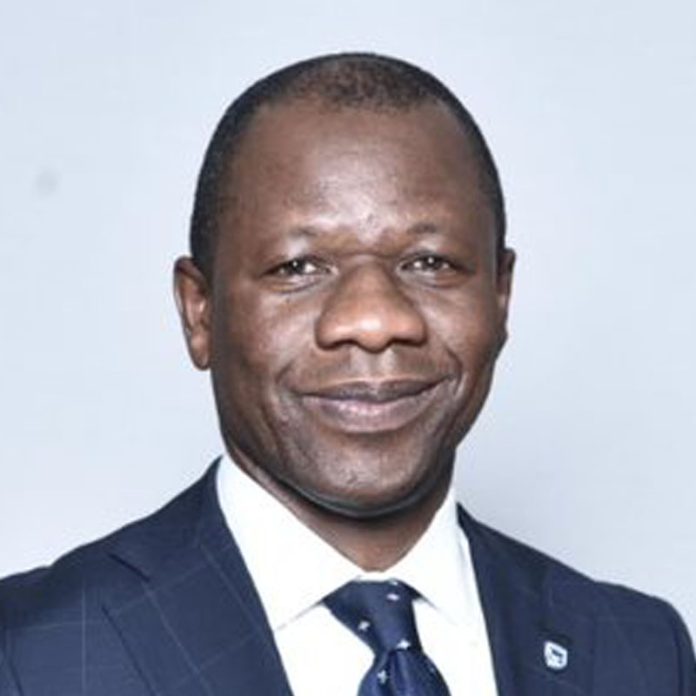
Stanbic IBTC Bank, a subsidiary of Stanbic IBTC Holdings PLC, is thrilled to announce the highly anticipated Reward4Saving Season 3 Promo launch. This campaign aims to sustain the savings culture cultivated amongst customers while providing them with enticing rewards.
Based on the tremendous success of the previous seasons which saw over 950 customers win over N192 million and produced 47 new millionaires, Stanbic IBTC Bank has confidently tagged the Season 3 promo: “The rewards are back.”
Reward4Saving Promo 3.0 will reward 840 customers in the monthly draws; ten customers from seven zones in Nigeria will receive N100,000 each for twelve months. Additionally, 28 customers, one from each zone, will win N1 million in the quarterly draws, while seven customers, again one from each zone, will be awarded N2 million in the grand finale.
Wole Adeniyi, Chief Executive Stanbic IBTC Bank, emphasised that the Reward4Saving promo has positively transformed many lives since its inception. By improving customers’ saving habits and rewarding them with prizes and incentives, the promo encourages individuals to achieve their financial goals.
According to Adeniyi, “The Reward4Saving initiative represents Stanbic IBTC Bank’s commitment to empowering Nigerians and fostering improved financial accountability. Saving is the key to financial success, and through this campaign, we inspire individuals to take charge of their future. The rewards are indeed back, and I encourage every Nigerian to join this initiative, unlock their financial potential, and embark on this gratifying journey towards financial freedom.”
To participate in Reward4Saving promo Season 3, customers can explore the bank’s online account opening option on the Mobile App, USSD (*909*37#), or Quick Services on the bank’s website. These channels provide fast, safe, convenient, and easy-to-use account opening options.
The Reward4Saving promo Season 3 will run from July 2023 to June 2024, offering customers ample time to participate and maximise their chances of winning. Existing and prospective customers can take advantage of this opportunity by depositing a minimum of ₦10,000 into their accounts and maintain it for 30 days without withdrawal. The more savings a customer accumulates, the higher their chances of winning.
Oil prices dipped on Wednesday after projections of a small reduction in US oil stocks fell short of market expectations, upsetting investors. Brent crude traded at $79.53 per barrel, down 0.13% from the previous trading session’s closing price of $79.63 per barrel on Tuesday.
The American benchmark West Texas Intermediate (WTI) was trading at $75.45 per barrel at the same time, down 0.28% from the previous session’s closing of $75.66 per barrel.
Late Tuesday, the American Petroleum Institute (API) reported a 797,000-million-barrel decline in US crude oil stockpiles, compared to the market’s anticipation of a 2.25-million-barrel outflow. The findings show that the country’s crude oil demand recovery from pandemic-era lows is taking longer than expected, sending prices lower. The US Energy Information Administration’s (EIA) data on oil stocks will be announced later on Wednesday, and if the stock decline is confirmed to be lower than estimates, prices could fall further.
Daniel Hynes, a commodity strategist at Australia and New Zealand Banking Group, said ‘Russia appears to be making good on its promise to reduce supply. Crude loadings are down sharply at three Russian western ports, averaging 1.78 million bpd (barrels per day) in the four weeks to 16 July, according to ship tracking data.’
His comments came after Russian Deputy Prime Minister Alexander Novak said last week that Russian oil companies will decide whether to reduce their oil output or exports in line with the country’s planned cutback in oil exports in August.
Novak reaffirmed on Monday that Moscow will cut oil exports by 2.1 million metric tons for the third quarter, which is roughly equivalent to the pledged cuts of 500,000 bpd. He added that Russia would cut both pipeline and seaborne oil exports in August.
‘This may be aided by Russian oil losing its appeal to price-sensitive buyers. Its crude is becoming more expensive, resulting in India now considering boosting purchases from traditional sources in the Middle East,’ Hynes said.
Meanwhile, as investors hope for significant stimulus measures from China as the country’s latest economic data signals slower-than-expected growth in the world’s second-largest economy, experts say the figures may not be low enough to trigger large-scale rescue measures from top policymakers. Oil Slumps on Expected Slowdown in US Demand
The Nigerian naira regained substantial value against the major foreign currency on Tuesday at the organised market or official window, as US dollar demand outweighed available foreign currency supply.
The Nigerian Naira strengthened by 6.58% versus the US dollar in the Investors and Exporters FX window, ending at N742.93 per greenback, according to FMDQ Exchange spot FX data. The local currency passed the red line last weekend, trading above N803 amid the country’s US cash scarcity.
On Tuesday, the local currency decreased by 0.61% to N830 per greenback on the parallel market. Foreign currency merchants blame the prolonged fall to increased forex demand from Nigerian consumers seeking to avoid the bureaucracy of deposit money institutions.
Following the devaluation, currency rates have moved unfavorably before tensions begin to ease. Foreign portfolio investors are expected to inject hot money into the economy once the native currency is devalued in June 2023.
Analysts predict that Nigeria’s gross foreign reserves would fall below $34 billion before the end of the week, amid continuous criticism of the government for floating the naira.
Economists have mixed feelings about the direction of the Central Bank of Nigeria’s (CBN) foreign currency management amidst worsening price levels. Their claim against the apex bank is that devaluation of local currency only helps a productive economy.
A senior economic analyst asked: “What’s a country that depends on imports of goods and services doing with a large devaluation of the local currency while inflation is skyrocketing while salaries stagnate except steep perks for politicians?”
Oil market rallied Tuesday over a fiscal stimulus plan in China to drive economic growth. Brent crude rose 1.33% to $79.54 per barrel, while West Texas Instrument (WTI) crude gained 1.95% to $75.60 per barrel.
Oil futures were higher, supported by an improved demand outlook as indicated by a drop in the US crude output. Elsewhere, gold traded near $1,984 per ounce (+1.47%), boosted by lower US dollar and Treasury yields.
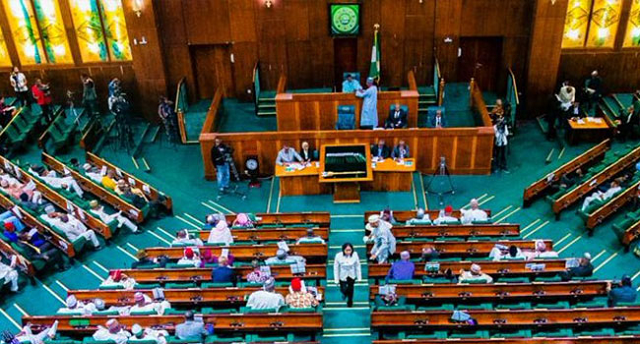
The House of Representatives has decided to form an ad hoc committee to study the reasons that led to the increase in Premium Motor Spirit (PMS) pump price from N537 to N617. The decision followed the unanimous passage of a motion by Rep. Ugochinyere Ikeagwuonu (PDP-Imo) at a plenary session on Wednesday.
Ikeagwuonu, who introduced the motion earlier, stated that Sections 88 (1) and (2) of the Constitution authorize the National Assembly to investigate the operations of any authority executing or administering legislation passed by the National Assembly.
He stated that Section 32 of the Petroleum Industry Act of 2021 charges the Petroleum Midstream and Downstream Regulatory Authority with regulating and monitoring technical and commercial midstream and downstream operations.
“Tuesday, July 18, 2023 Petrol Pump Price was increased from N537 to N617 by Petrol marketers, without conferring with the relevant agencies of government.
“Disturbed that in view of the current socio-economic challenges being faced by Nigerians, a hike in the price of fuel will heap great suffering and hardship on Nigerians,” he said. The house resolved to invite the General Managing Director of the NNPCL to explain the hike in PMS price.
The lawmakers, however, rejected a call by Rep. Zakaria Nyampa (APC-Adamawa) to stay implementation of the new price pending the outcome of the investigation. Deputy Speaker Benjamin Kalu mandated the committee, when constituted to report back to the House within four weeks for further legislative action.
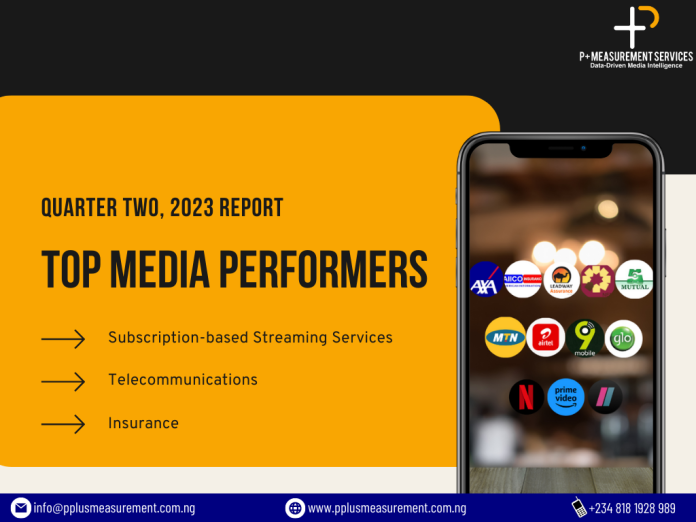
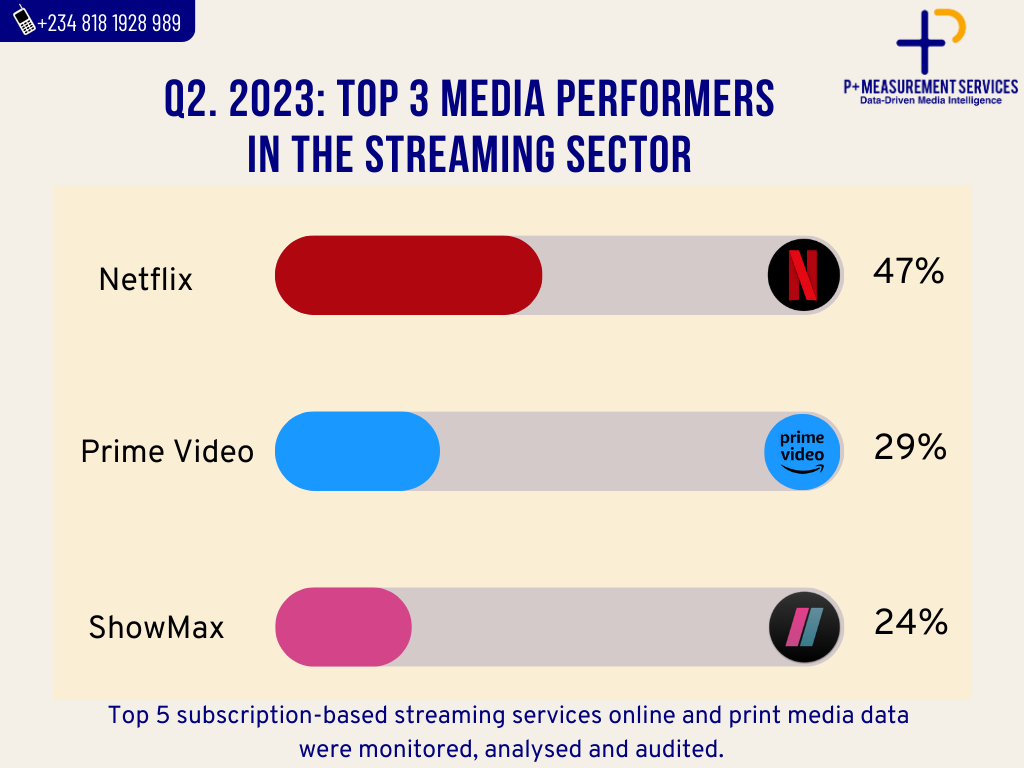
The Nigerian media sector is experiencing rapid growth and facing strong competition as it continues to evolve. P+ Measurement Services, a leading media intelligence consultancy, says as it analyzed the top media performers in the Nigerian subscription-based streaming services, telecommunications, and insurance sectors for the second quarter of 2023.
This analysis aims to provide a comprehensive overview of each industry’s media share, considering the advancements in subscription-based streaming services, the telecommunications sector’s expansion, and the insurance sector’s consistent performance.
The media analysis monitors over 1.3 million online publications in the local and global media space, including blogs, news sites, forums, and digital media, as well as approximately 1,380 print publications (including daily, weekly, and monthly publications), from which various meta-data were harvested.
In the Nigerian subscription-based streaming industry, Netflix Nigeria emerged as the top performer, out of the five brands monitored, capturing a significant media share of 47%, followed by Amazon Prime Video and Showmax Nigeria with 29% and 24% respectively.
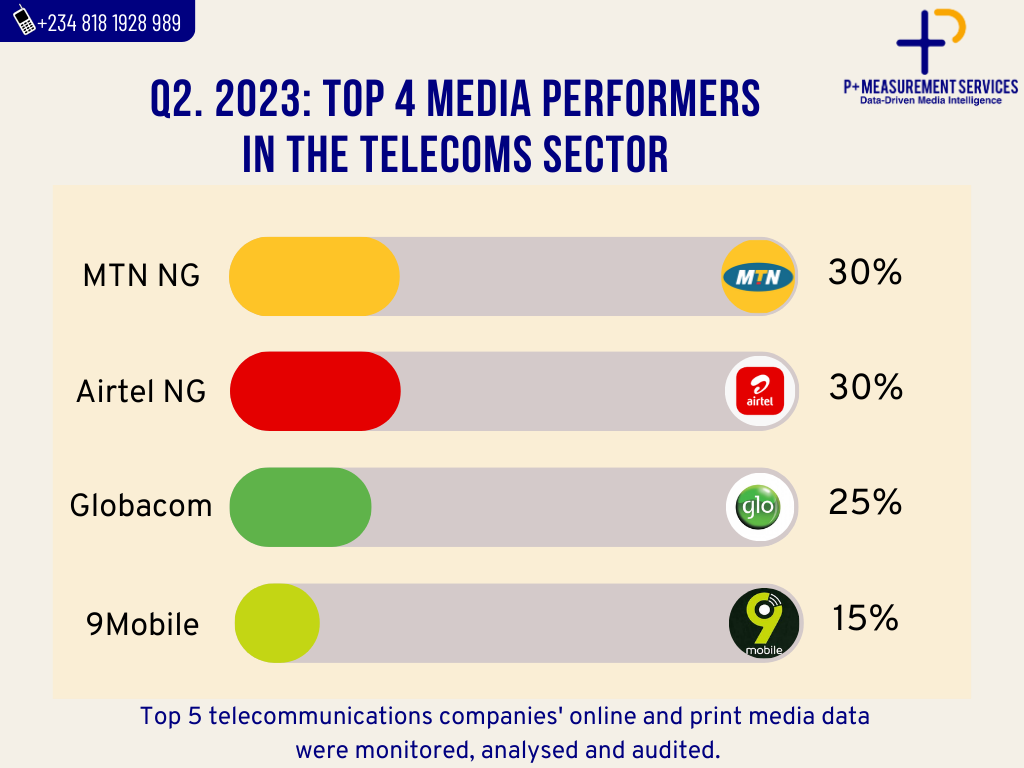
The Nigerian telecommunications industry saw a competitive landscape with several key players. The top media performers, out of the five brands monitored, in terms of media share: MTN Nigeria and Airtel tied for the top position, each capturing 30% of the media share. Globacom secured 25% and 9Mobile 15%.
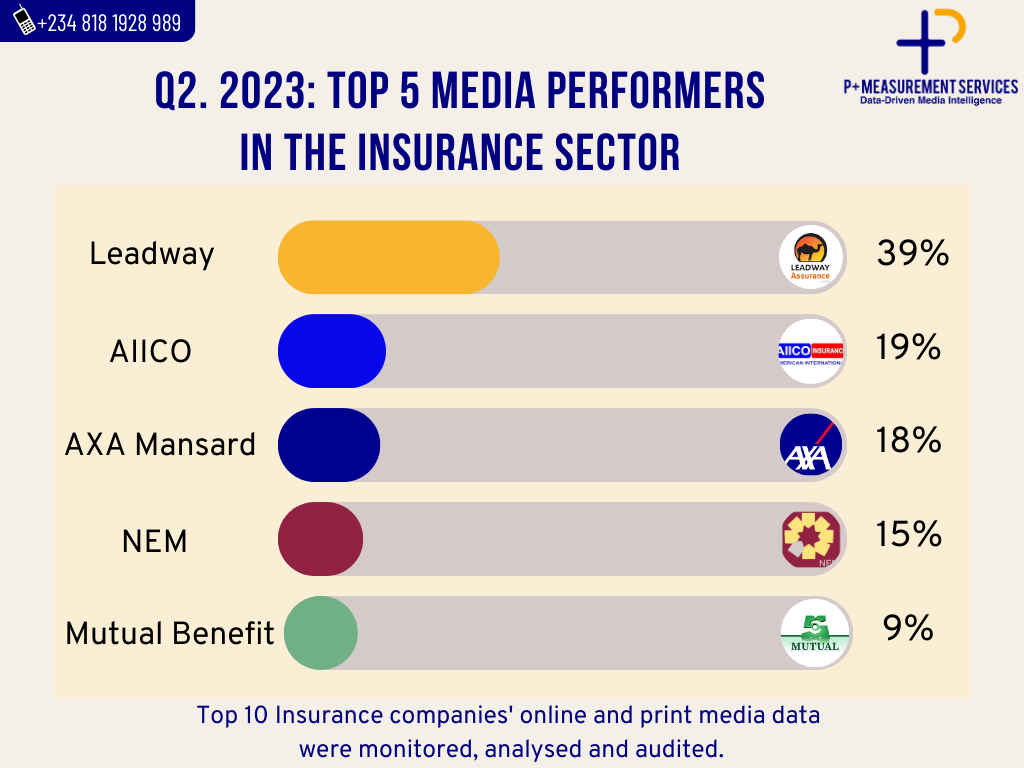
Out of the ten leading insurance brands monitored, five insurance companies stood out as top media performers, with Leadway Assurance maintaining its position as the top performer in Q2, capturing 39% of the media share. Coming in second was AIICO Insurance with 19%, AXA Mansard Insurance ranked third with 18%, NEM Insurance came in fourth with 15% and Mutual Benefits Assurance with 9%.
Analysis of Top Reputational Drivers in Q2, 2023
During the second quarter, noteworthy media drivers in the subscription-based streaming services sector in Nigeria included Netflix Nigeria’s innovative approach of reimagining folktales with African filmmakers, transforming them into dark fantasy dramas. Amazon Prime Video achieved a significant milestone for the brand with Jade Osiberu’s ‘Gangs of Lagos’ setting a new record. Additionally, Showmax Nigeria collaborated with Upbeat to host a special screening party for children on Children’s Day, where they had the opportunity to hang out with Jay Jay Okocha.
The Nigerian telecommunications industry witnessed several significant PR drivers during the period. One noteworthy development was MTN Nigeria’s securing approval from the Nigerian Communications Commission to lease NTEL’s spectrum, which greatly influenced the industry. Airtel Nigeria experienced a boost in its brand recognition and reputation following the appointment of Carl Cruz as MD/CEO. Similarly, Globacom garnered attention and media coverage as Chief Executive Officer Mike Adenuga celebrated his 70th birthday. Furthermore, 9Mobile made headlines with its announcement of a substantial N70 billion investment in network modernization, driving its presence and impact in the market.
Leadway Assurance garnered significant attention by achieving a groundbreaking milestone as the first insurer to surpass N100 billion in premium income within the insurance sector. In a notable display of Corporate Social Responsibility, AIICO Insurance directed its investments toward the healthcare industry. AXA Mansard Insurance experienced remarkable growth of 13% in revenue during the first quarter, contributing to an increased level of media engagement for the brand. NEM Insurance demonstrated its commitment to policyholders by disbursing a substantial sum of N12.3 billion in claims during the 2022 financial year. Additionally, Mutual Benefits Assurance witnessed Dr. Akin Ogunbiyi, the chairman, offering valuable insights to the younger generation about the significance of making favorable first impressions during the launch of his book.
About P+ Measurement Services
A leading and rapidly expanding independent media intelligence consultancy, P+ Measurement Services is an AMEC member and one of Nigeria’s top media intelligence providers. The organization serves as a media watchdog and technical support to communications/public relations managers and public relations firms by assisting them in keeping track of the media health of their brands and auditing media performance.
Generation Z or more commonly Gen Z for short, also known as zoomers are the offspring succeeding millennials and preceding the Generation Alpha. As the first social generation to have grown up with access to the internet and portable digital technology from a young age, Generation Z have achieved a lot in the 21st century while also making quite a number of misconceptions about them.
With technology making things a lot easier in recent years and Gen Z getting to grow up and evolve just as technology is developing everyday, Gen Z’s has been able to utilize technology to make life even better for themselves which a few millennials feel indifferent about,
In this feature story, we aim to clear up a few misconceptions about Gen Z’s.
Misconception 1:
Age Range: This misconception takes the first place because it is generally believed that for a person to be a part of the Generation Z clique, their birth year has to be from the early 2000s which is is very incorrect. A true born Gen Z birth year starts from the year 1997 and ends in the year 2012.
Misconception 2:
Idleness: The Millennial and Boomer generations are of the belief that Generation Z are lazy when it comes to work. This is a very big misconception about them. Gen Z’s were born with the invention and also evolved with technology. With technological knowledge, life has been made way easier for them so that they don’t even have to physically be present at work (domestic and foreign), pursue a career with the use of social media and its influencing tools which was not available back in the day. It is safe to say that Gen Z’s are smart workers.
Misconception 3:
Bluntness: This misconception obviously stemmed from different beliefs and views of the three generations. Generation Z are known to be a vocal generation which is a good thing but Millennials and Boomers find this to be disrespectful. Gen Z’s will not tolerate any form of disrespect regardless of age as they are very expressive about their feelings and themselves. They strongly believe that they shouldn’t be forced into social construct as every person is unique and a individualistic culture should be adopted. Unfortunately, this doesn’t sit well with the older generations who believes otherwise. It is safe to say dem get coconut head when it comes to standing up for themselves and what they believe in.
Misconception 4:
Mental Health: Mental health includes our emotional, psychological, and social well-being. It affects how we think, feel, and act. It also helps determine how we handle stress, relate to others, and make healthy choices. One thing Gen Z’s prioritizes is their mental health. When it comes to their mental health, it is not a topic for debate. Irrespective of who you are, once a Gen Z sees you as a threat to their mental health, you get cut off immediately. A Gen Z would rather remain jobless than to work in a toxic environment or with a toxic boss because they know that they are loved at home. The older generation sees this as laziness, being stubborn and proud which is obviously a misconception because they are used to these abuse and not standing up for themselves. Gen Z’s believe that anything causing you your peace is not worth it and should be cut-off.
Misconception 5:
Enjoyment: Generation Z are of the belief “you only have one life to live so you have to live it to the fullest” (YOLO). The older generations sees this as Gen Z’s wasting away their money, youthful exuberance and living without consequences. This misconception stemmed from Gen Z’s indirectly passing the idea of “let me waste my money and do whatever i like” instead of “no one knows tomorrow let me enjoy the time i have here” but irrespective of what anyone thinks, Gen Z’s will still enjoy this life on their own terms. Just as they like to say ” No be you go tell me wetin i go do”.
The Federal Competition and Consumer Protection Commission (FCCPC) has stated that it will take action against trade association members who raise basic food prices indiscriminately.
The FCCPC’s CEO, Babatunde Irukera, spoke on Tuesday at a forum organized by the commission to examine equitable food prices.
‘Fair food prices in Nigeria: A high-level forum for better competition,’ was the theme of the event.
Irukera stated that the federal government will make no place for anti-competitive practices or unreasonable price increases in food.
“We will continue to monitor the market, and where we find that prices are excessive or find exploitative conduct, or find that consumers are being taken advantage of, we will intervene. One of the ways of intervening is unlocking the bottlenecks,” he said.
“Associations that come together to determine at what price beans should be sold, associations that come together to decide that nobody in a particular market should take yam, beans or rice from any other person except their members, we will proceed against them.
“Some trade unions had constituted cartels to engage in anti-competitive practices that have led to price gouging of basic food items.”
According to Irukera, it is critical to stand firm against indiscriminate food price increases, especially now that food security has been declared a national emergency.
“Competition regulation and consumer protection is not only to regulate the big companies. It is not only to regulate the formal sector,” he added.
“It is also to regulate the informal sector. In a place like Nigeria, it is even more critical to find a strategy to regulate the informal sector because, at the end of the day, the vast majority of our economy is informal.”
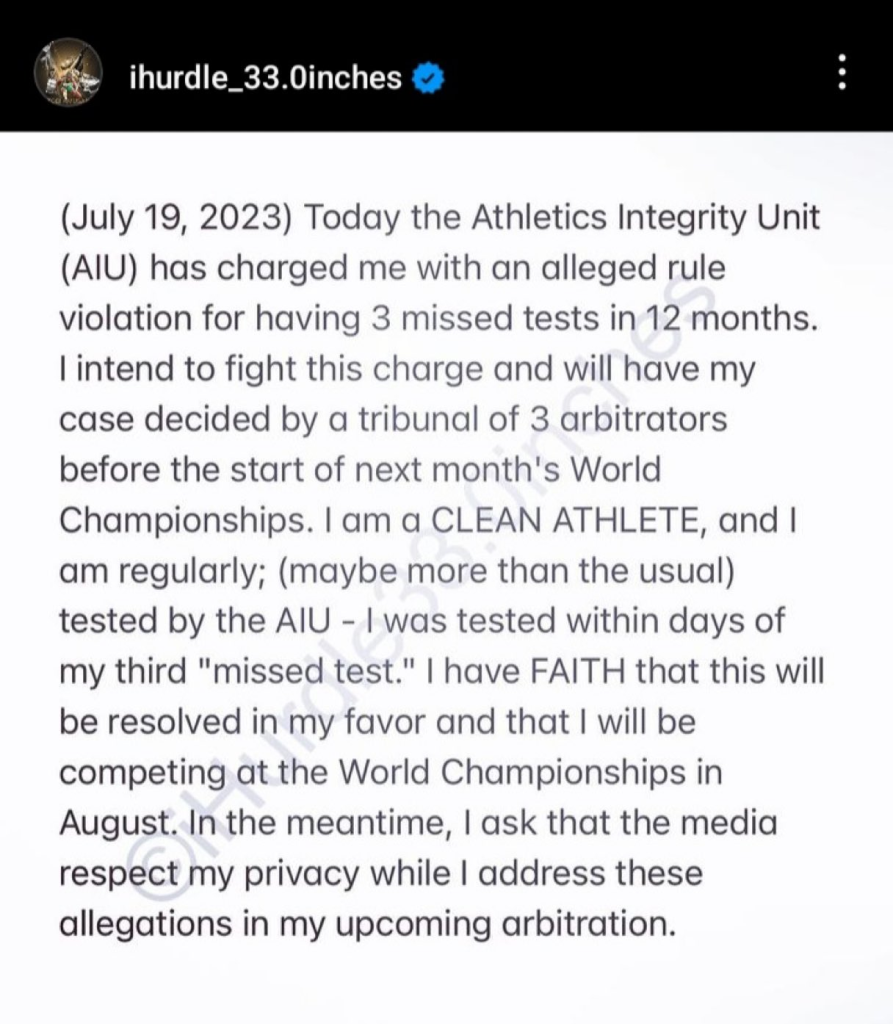
Nigeria’s Tobi Amusan, the women’s hurdles world record holder, has stated that she had been accused with an alleged rule infringement for missing three drug tests in a 12-month period.
Amusan also promised to resolve the charges against her before this year’s competition, which will be held in Budapest next month.
The 26-year-old Nigerian athlete revealed this in a post on her Instagram account.
“I am a CLEAN athlete, and I am regularly (maybe more than usual) tested by the AIU,” she added, referring to the Athletics Integrity Unit, which supervises doping issues in international track and field and is the agency that charged her with the violation.
The AIU confirms that it has today charged and provisionally suspended Tobi Amusan (NGR) for 3 Whereabouts Failures.
The Charge will be heard by the Disciplinary Tribunal and determined before the World Athletics Championships.
— Athletics Integrity Unit (@aiu_athletics) July 19, 2023
She said, “Today the Athletics Integrity Unit (AIU) has charged me with an alleged rule violation for having 3 missed tests in 12 months.
“I intend to fight this charge and will have my case decided by a tribunal of 3 arbitrators before the start of next month’s World Championships.”
According to the AIU, an athlete who misses tests during a 12-month period is guilty of anti-doping rule violation, and the penalty includes a two-year suspension, which may be reduced to a minimum of one year depending on the degree of fault.
Missing three doping tests can result in a two-year penalty, though exceptions can be made in certain circumstances.
Tobi Amusan recently set a new meet record of 12.34 seconds to win the 100m hurdles event at the Silesia Diamond League.
The Nigerian sports icon stormed to the finish line first, edging out former world record holder, Kendra Harrison in a keenly contested race.
Following the win, the trackstar confirmed that she had run her season’s best despite her continuous battle with injuries. “It was not easy for me with injuries in my hamstring and my knee.
“I had to trust my coach and my work. I was just running. Honestly, I had no idea that I won when I crossed the finish line,” she said.
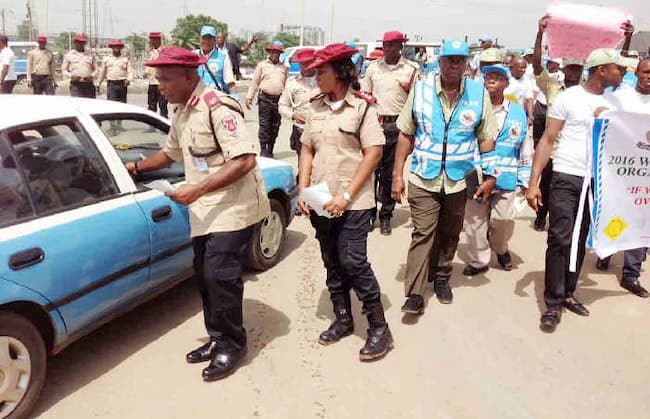
The Federal Road Safety Corps (FRSC) intends to appeal a decision by a Court of Appeal in Asaba, Delta State, that has barred its officials from operating on state and Local Government (LG) roads limiting them only to federal roads.
Corps Marshal Dauda Ali Biu criticized the verdict in a statement issued by FRSC spokesman Bisi Kazeem, saying “the implication of the said judgement is that our personnel would not be able to attend or rescue crash victims on roads other than federal roads.”
Biu said in a statement on Tuesday that the Corps will seek a stay of execution as well as an appeal in the case No. CA/AS/276/2019 involving the FRSC and Darlington Ugo Ehikim.
“We are aware of the judgement of the Court of Appeal Asaba Judicial Division from the briefing received from our Legal Representatives. However, as at the moment, we are yet to obtain a Certified True Copy of the judgement,” the Corps Marshal said.
“As soon as we obtain same, we would take time to look at the judgement and make an informed decision on it. Until then, we urge the public to remain calm.”
FRSC’s legal battle
The Federal Court of Appeal in Asaba, Delta State, upheld the Federal High Court’s decision barring the Federal Road Safety Corps, FRSC, from operating on state and municipal highways in Nigeria.
BizWatch Nigeria recalls that in 2019, a Federal High Court sitting in Warri ordered that the FRSC may only function on federal roadways.
It ruled that FRSC had no legal authority to operate on state and local government highways.
Dissatisfied with the result, the FRSC appealed to the Court of Appeal.
In his judgement on Monday, Justice E. Nwite denied the FRSC’s appeal and limited the Corps’ operations to just federal roadways in various areas of the country.
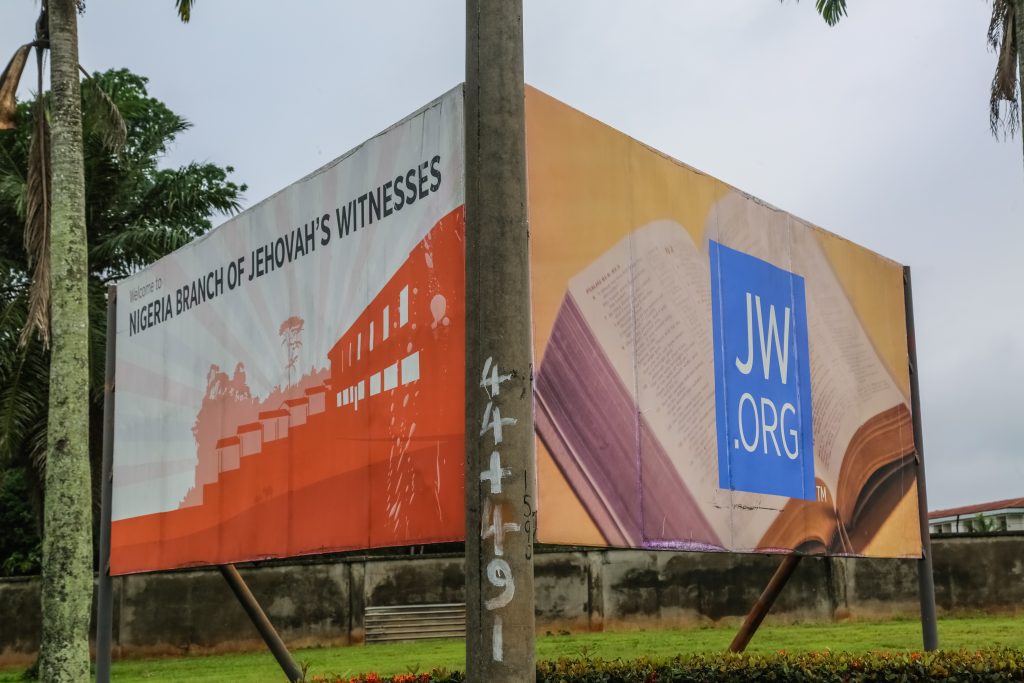
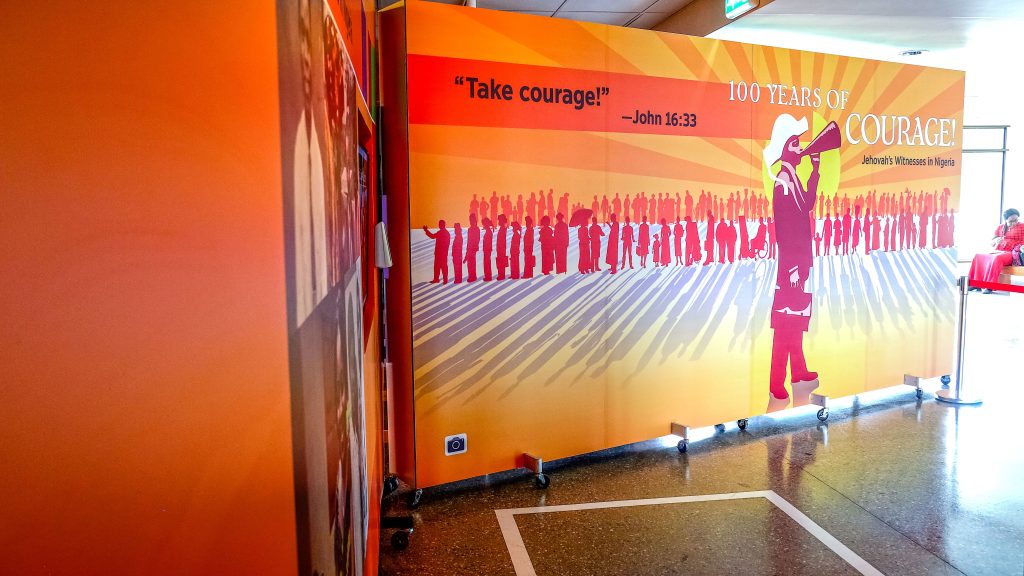
Jehovah’s Witnesses recently opened a historical museum in Igieduma Village, Edo State. The Museum project, tagged, 100 Years of Courage, documents the activities of Jehovah’s Witnesses and others who were involved in the establishment of their preaching and community development activities in Nigeria since 1921.
Nigeria is a diverse country with a rich cultural and historical heritage. The people making up the country have various social, religious and cultural experiences dating back several centuries.
The advent of Christianity, with its increasingly various denominations, ushered in a new era in the history of the peoples making up Nigeria. Jehovah’s Witnesses make up a significant part of the Christian populace of Nigeria.
While the Covid pandemic raged, this museum project was launched at the Branch Office of Jehovah’s Witnesses at Igieduma village, Edo State. The project documents the 100 years of the work of the witnesses in Nigeria, and extraordinary story of ordinary Nigerians and foreigners, men, women and children, whose acts of faith laid the foundation for the thriving activities of over 400,000 witnesses in Nigeria. The museum also depicts the various influence of non-witness actors that impacted the spread of their activities, both positive and negative.
Early Days
The history of the Witnesses in Nigeria began with the arrival of Claude Brown, also known as Bible Brown, in 1921.
The Museum shows that Witnesses first established their branch office in Nigeria in the same year and started their evangelical ministry. From the small beginning, they set about reaching the major towns and hinterlands of Nigeria, the missionaries converting local people who in turn helped to spread the Bible message further afield. With limited transportation and mass communication methods available in the early 20’s and 30’s, the museum depicts how the Witnesses used a variety of initiatives, including the sound car, megaphones and phonographs to spread the message.
Challenges
The museum further documents how the spread of the word of God by Jehovah’s Witnesses in Nigeria had been spiced with various challenges. These included denial of physical access to areas they desired to preach in by local chiefs and religious priests, beatings of new converts by relatives who misunderstand the Witnesses beliefs, arson, and in some extreme cases, murder.
The Nigerian civil war brought a new dimension to the challenges faced by Jehovah’s Witnesses in Nigeria. Pictures and other artefacts in the museum show that the Witnesses in the former Biafran territory were cut off from their Nigerian brothers. With the resulting limited contact, the flow of Bibles and bible-based publications became strained. However, in remarkable demonstrations of faith, the Witnesses on both sides risked their lives and freedom to cross the lines to deliver publications and directions to those in the war zone. In heart-touching personal stories, the museum captures the experiences of specific witnesses who took part in the risky undertaking of crossing the war zones to reach their brothers and sisters on the other side. A cocktail of ingenuity and faith were often on display. Sadly, some Witnesses were killed by soldiers and others for refusing to fight in the war in obedience to God’s command in the Bible – You must not kill (EXODUS 20:13). In interesting twists, some of the soldiers who fought in the war, including some who encountered or even killed Jehovah’s Witnesses for refusing to join the war, became Jehovah’s Witnesses themselves after the war, some becoming elders and missionaries.
In all, the civil war and other challenges, did not appear to break the integrity of the Witnesses who continued preaching all through the war and even increased in number, as statistics available at the museum show.
Conventions
The museum featured some of the major milestones in the history of Jehovah’s Witnesses in Nigeria – their conventions, or large gatherings. Each year, Jehovah’s Witnesses invite their neighbours, friends, and family to join them for these large gatherings. From Lagos to Port Harcourt, the museum chronicled the district and international convention history of the witnesses. The international conventions involved invited foreign guests and speakers and simultaneous translation into multiple Nigerian languages. Baptism of new converts was a constant feature of these conventions. These large gatherings strengthened the unity of the witnesses and gave immeasurable impetus to their work in the country.
An Interactive Museum
The museum is made to meet modern standards and expectations of information consumption. The museum has audio-video media which tourists can play or view through a special wifi-bluetooth connection and installed TV screens. These help visitors to get additional information about the historical event or character on display but also to more intimately relive the event. Tourists are encouraged to come with their phones, tablets or other handheld devices with either a Bluetooth or wired headsets to have a more interactive experience.
Tourists React
Our correspondent captured the mood of the first set of tourists to the museum as they react to their experience. Seun Faluyi, a tourist, said: it is phenomenal to see how much opposition Jehovah’s Witnesses faced in the early years. But they were not deterred. They were brave, they were courageous. Celine, a teenage tourist, said: I like how interactive it is. Sometimes you forget how much history you have… According to Ayinola Olusoyan, I have been around Jehovah’s Witnesses for some time, although I am not one of them. Today is a great day for me to be here…
How to book a visit
According the Spokesman of Jehovah’s Witnesses, Olusegun Eroyemi, the public, journalists, tourists, and academics are invited to visit the museum following its official opening on June 1, 2023. The Museum is located at Igieduma village, Uhunmwonde Local Government, Edo State. To book a visit, an individual or group may visit jw.org, click on About Us, select Bethel Tours, then search for Nigeria on the drop-down menu. Then scroll to: Make a Reservation., then click on create an account to enable you receive details of your visit reservation by text or email. Then follow the prompts to complete your reservation. The visit is free, and a tour guide will be assigned to you or your group.
You might have had one of those days when you stack your luggage in the trunk of the car ready to commute to the airport. As you maneuver through the infamous Lagos traffic, the thoughts of missing your flight keep you on tenterhooks, but you become more optimistic because Google Maps has indicated that it is merely 10-minute congestion.
Miraculously, you make it to the airport just in time, but the minutes that followed would meet you with the news of a delayed flight. Now, you have some time to kill but are unsure how best to utilize it other than lounging on your seat and surfing the web.
Although flight delays are no fun news, it might excite you to know that there are loads of interesting activities to indulge especially if your take-off point is the Murtala Muhammed International Airport. Whether it’s a flight delay or you arrived way before boarding time, here are some fun things you can do.
1. Explore the Airport Art: Murtala Muhammed International Airport features various artworks and installations that showcase Nigerian culture and heritage. Take some time to wander through the terminals and appreciate the local art on display. It’s a great way to immerse yourself in the country’s vibrant art scene.
2. Enjoy Local Cuisine: The airport offers a range of dining options where you can sample delicious Nigerian cuisine. From traditional dishes to international favorites, there’s something for every palate. Look out for local specialties like jollof rice, suya (grilled meat skewers), and puff puff (deep-fried dough balls).
3. Shop for Souvenirs: Take advantage of the duty-free shopping at Murtala Muhammed International Airport. Explore the stores to find unique Nigerian products such as African fabrics, handicrafts, artwork, and locally made fashion accessories. It’s an excellent opportunity to pick up memorable souvenirs or gifts for loved ones.
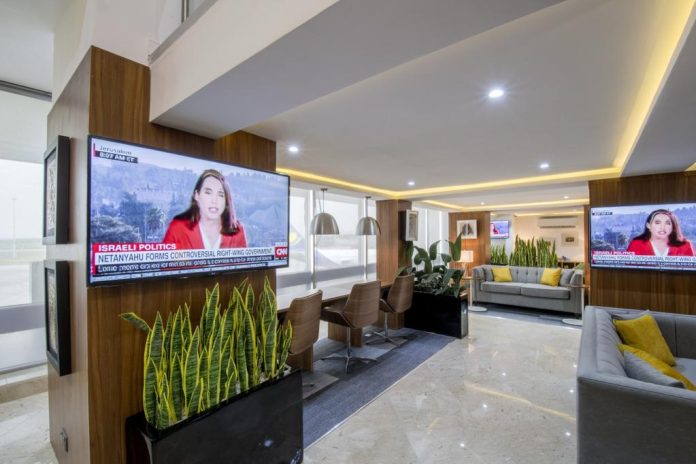
4. Relax at the MTN Prestige Lounge: As a gold or platinum MTN prestige member, you have access to the exclusive MTN Prestige Lounge. Members have access to ultra-high-speed internet (MTN 5G), exquisite meals and snacks, full bar, and premium dining options, play areas for kids, in-house restrooms, workstations, live boarding updates, and resolution of roaming, and other related MTN issues. Take advantage of the comfortable seating, complimentary refreshments, and Wi-Fi access. Whether you need to catch up on work or simply unwind before your flight, this lounge provides a tranquil space to do so.
5. Visit the Airport Museum: Murtala Muhammed International Airport houses a museum that showcases the history of aviation in Nigeria. Explore the exhibits, which include vintage aircraft models, photographs, and artifacts related to the country’s aviation industry. It’s an educational and exciting experience for aviation enthusiasts and history buffs alike. There are just more than enough activities to keep you absorbed while you await your boarding time at the Murtala Muhammed International Airport, Ikeja, Lagos. Dive in and make the most of your time — after all, traveling is all about creating new experiences.
The Nigeria Labour Congress (NLC) lambasted the Federal Government’s (FG) intention to distribute ₦500 billion as palliatives to Nigerians and government personnel to mitigate the consequences of the elimination of gasoline subsidies on Tuesday.
In a statement issued on Tuesday by its President, Joe Ajaero, the NLC claimed that the Federal Government was “seeking to impoverish the people further by taking steps that can only be described as robbing the people of Nigeria to pay and feed the Rich.”
“It is on this basis that the NLC strongly condemns the decision of the Tinubu-led administration to seek the approval of the National Assembly to obtain another tranche of external loans worth N500b from the World Bank to carry out a phantom palliative measure to cushion the effect of its poorly thought-out hike in the prices of Premium Motor Spirit,” it said.
The organization in Nigeria noted that the $800 million already proposed prior to the government’s currency devaluation was worth around ₦400 billion, but had climbed to about ₦650 billion post-devaluation.
“It is from this, it proposes to bring out N500b for distribution,” it added.
“The proposal to pay N8,000 to each of the so-called 12 million poorest Nigerian households for six months insults our collective intelligence and makes a mockery of our patience and abiding faith in social dialogue which the government may have alluded to albeit pretentiously.”
According to the NLC, the additional proposal to pay N70 billion to National Assembly members and N36 billion to the judiciary is “the most insensitive, reckless, and brazen diversion of our collective patrimony into the pockets of public officers whose sworn responsibility it is to protect our nation’s treasury.”
The labor organization expressed worry that the measure amounted to “hush money” and “outright bribery” of other branches of government to “acquiesce in the aberration.”
It condemned the idea of a government that had imposed “so much hardship” on the people within roughly two months of taking office making a “unconscionable” proposition that rewarded the wealthy in public office at the expense of the poor.
“What this means all this while is that the government is seeking ways of robbing the very poor Nigerians so that the rich can become richer,” it added.
“There is no other way to explain the proposal to pay a misery sum of N8,000 Naira to each of the mysterious poorest 12 million Households for six months which amounts to N48,000 and pays just 469 National Legislators N70b or about N149m each while the Judiciary that has about 72 Appeal Court Judges, 33 National Industrial Court Judges, 75 Federal High Court Judges and 21 Supreme Court Judges and a total of about 201 Judges receive a total of N35b or N174m each.
“If these other two arms are projected to receive this, what members of the Executive Council will receive is better left to the imagination of Nigerians perhaps, the balance of N150b will go to them.”