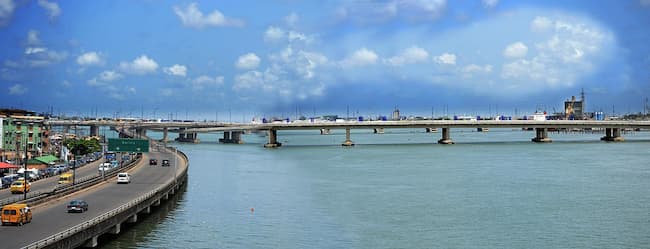
The Federal Government has announced that the Alaka-Costain-Iganmu segment of the Eko Bridge (inward Island) will be closed for additional 40 days.
According to a statement issued on Thursday by the Federal Controller of Works in Lagos State, Engr. (Mrs.) O.I. Kesha, on behalf of the Permanent Secretary of the Federal Ministry of Works and Housing, the shutdown would begin on Sunday, July 23, 2023.
“This is as a result of the damage noticed on some of the bridge members which needed to be urgently worked upon.
“It should be noted that any further delay in the repairs and replacement of some of these bridge members could undermine the integrity & structural stability of the entire bridge and the consequence of this can be better imagined,” the statement added.
“It should however be noted that the Lagos State Governor, His Excellency, Mr. Babajide Sanwo-Olu, and the Federal Controller Of Works, Engr. (Mrs.) Olukorede Kesha during the opening of the Apongbon section of the Bridge announced that intermittent closures will be carried out as the maintenance work progresses.
“This closure is to allow the Contractor, Messrs Buildwell Plants & Equipment Ind. Ltd carry out the necessary repairs with the aim of restoring the integrity of the bridge during the stipulated time frame.
“While the service lane leading to Iponri will be available, some alternative routes are also provided for motorists plying the route from Western Avenue and its environs.
“Motorists are advised to cooperate with the Traffic-Management Team deployed on the highway to manage traffic. Thanking you for your usual cooperation.”
The Federal Competition and Consumer Protection Commission (FCCPC) has said it will put out a list of illegal digital loan apps operating in Nigeria.
It also said it would expunge two legal loan apps from the Google Play Store for harassing Nigerians.
According to the FCCPC on Thursday, it had added digital money lenders that had refused or failed to register under its guidelines on its watchlist for strict surveillance and necessary action.
In a statement signed by the Executive Vice Chairman/ Chief Executive Officer, Babatunde Irukera, the FCCPC said, “The commission has also placed digital money lenders that have refused or failed to register under the guidelines on its watchlist for strict surveillance and necessary action.
“The list of those digital money lenders will be made available on the commission’s website.
“The Commission will continue to scrutinize listed DMLs and periodically update the list to ensure only businesses that consistently and completely comply with the spirit and intention of the regulatory framework are allowed to do business legally in Nigeria.”
It advised Nigerians to exercise self control and carefulness in selecting digital money lenders and specifically, recommended that consumers only patronize digital lenders on its approved list to avoid falling victim to illegal and prohibited lending and recovery practices.
Commenting on the permanently expunged digital lenders, the FCCPC listed them as Sycamore Integrated Solutions Limited and Orange Loan, and Purple Credit Limited, along with their respective apps — ‘Getloan’ and ‘Camelloan.’
It stated that it came to this decision after investigating the apps.
The commission said, “In the course of the commission’s continuing investigation and tracking of these illegally operating digital money lenders, the commission has discovered duplicity by at least two otherwise legally registered digital money lenders on the commission’s approval list.”
It stated that the organization had also engaged in the use of APK to attract borrowers to a process and practice that is illegal and unregulated.
According to the FCCPC, about 180 loan apps have been registered (partially or fully) and approved to legally operate in Nigeria.
The Nigeria Employers’ Consultative Association (NECA), has said organized businesses are overstretched due to the inflation in cost of living, caused by the increase in the price of petroleum motor spirit (PMS).
In a statement on Thursday, the Director-General, NECA, Mr Adewale-Smatt Oyerinde, advised the government to take more effective steps to stop the slide into hopelessness for the organized businesses and Nigerians in general.
Oyerinde showed concerns that the rising cost of living was already hurting Nigeria’s poverty and production index.
In previous year, he said, the country witnessed perpetual rising inflation, commodity price instability, reduced industry capacity utilisation, and a gradual dwindling of the purchasing power of Nigerians.
These, he said, had kicked many enterprises out of existence, and Nigerians below the poverty lines.
He said, “While the current administration has lined out policy plans to improve the living standards of the masses, such plans must be backed by deliberate and quick responses.
“As it is obvious to all, there is rising agitation owing to the rising cost of living, compounded by the increasing cost of PMS and the threat of increment in electricity tariff amongst others.
“While we commend the removal of fuel subsidies, renewed efforts at curbing oil theft, and the ongoing attempt to reform the tax administration, it is, however, important that government take more drastic steps to stop the slide into hopelessness by Nigerians and indeed organised businesses.”
The NECA boss said production plans were persistently displaced by frequently changing factors.
According to him, “It is instructive to note that businesses and households are currently being over-stretched beyond their shock buffers. Already, there is a drag on business operation as production plans are persistently displaced by frequently changing factor costs, and households are constantly adjusting consumption to accommodate their inadequate real income.”
He added that “At this breaking point, it is imperative for government to quickly take deliberate actions to mitigate the persistent rise in inflation to address the fast-accelerating cost of living in the country.
“Such actions may include price stability mechanisms, periodic feedback on the progress of the ongoing work at the refineries, reversal of the value-added tax on automotive gas oil, and suspension of the planned upward review of electricity tariff.”
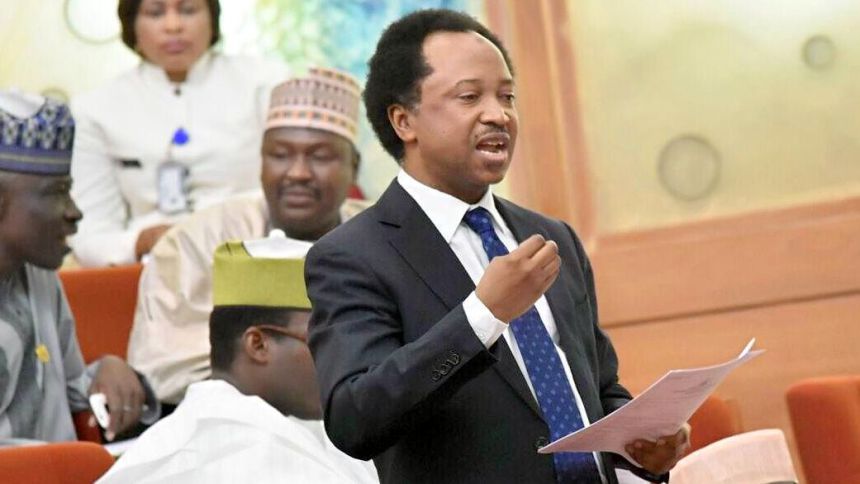
Senator Shehu Sani, a chieftain of the Peoples Democratic Party and former Kaduna lawmaker, has identified agriculture and security industry as core fields that the new administration must focus its policies on to make the economy flourish.
He stated this while speaking as a principal speaker at the third edition of Double Diamond Empowerment Initiative in Lagos.
Themed “Holistic approach towards nation’s rebirth”, the event sought to address leadership challenges in Africa and reward those who have distinguished themselves and impacted society in their various fields of endeavours.
He said, “The new administration in place must take bold and courageous decisions that should be in the interest of our country. And there are five issues that he should be serious about, by serious, I mean he should prioritise.
“The first is about our national unity. There is an urgent need to ensure that this country is reinforced, is restrengthen, because the spirit of our people is very low at this very time.
“Secondly, this government must take seriously the issue of national security. The next is the economy of this country. In the last eight years, we have had a government with no economic vision, no economic direction, and no interest in addressing the fundamental economic problems of this country. Now, decisions have to be taken, and there should be a timeline.”
The National Pension Commission (PENCOM) has stated that assets under the Contributory Pension Scheme increased by about N2tn in the first six months of 2023.
According to the figures, the assets increased from N14.99tn as of December 2022 to N16.76tn as of the end of June 2023.
The bulk of the assets invested in the Federal Government’s securities increased from N9.64tn to N 10.86tn.
Retirement Savings Accounts (RSA) membership also increased from 9,862,129 in December 2022 to 10,009,049 as of the end of June 2023.
Other investment portfolios where the funds were invested include; domestic and foreign ordinary shares, corporate debt securities comprising corporate bonds, corporate infrastructure bonds, corporate green bonds, and supranational bonds.
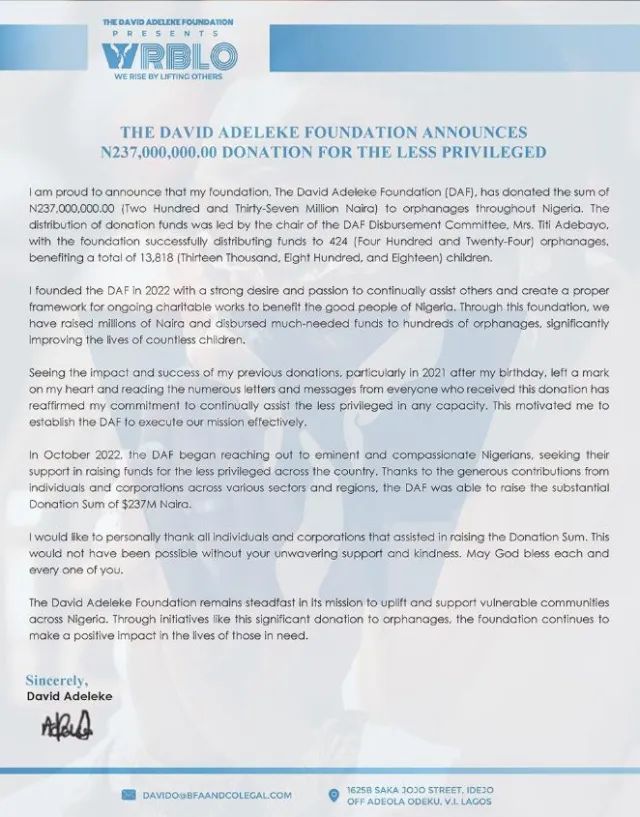
Award winning Music star David Adeleke otherwise known as Davido in partnership with The David Adeleke Foundation has ordered the release of N237 million to 424 orphanages in Nigeria in a movement called “We Rise By Lifting Others” (WRBLO).
The 29-year-old musician revealed this in a statement when he shared details of the disbursement of the funds to 424 orphanages which will affect the lives of 13,818 Children in various states of the country.
In November 2021, what began as a joke when the musician asked his colleagues to give N1 million apiece for him, turned out to be one of the largest fundraisers in recent history, with Davido amassing N200 million in 78 hours.
Davido, who had planned to use the money to clear his brand new Rolls Royce from the Lagos port, instead opted to donate it to orphans across the country, forming a five-person committee led by Titi Adebayo.
The David Adeleke Foundation, founded in 2022, with the help of various compassionate Nigerian citizens have been able to make this a bigger and better Movement this year.
Davido tweeted: “I’ve always wanted to use my platform to serve others. Thankful that through your generosity, I’ve been able to do so.
“We recently disbursed over N200m to several orphanages in Nigeria, a tradition that started a few years ago around my birthday.
“Thank you to everyone who donated. With your help, we are changing lives.
“This is what I mean when I say we rise by lifting others. These are words in action. God bless you all!”
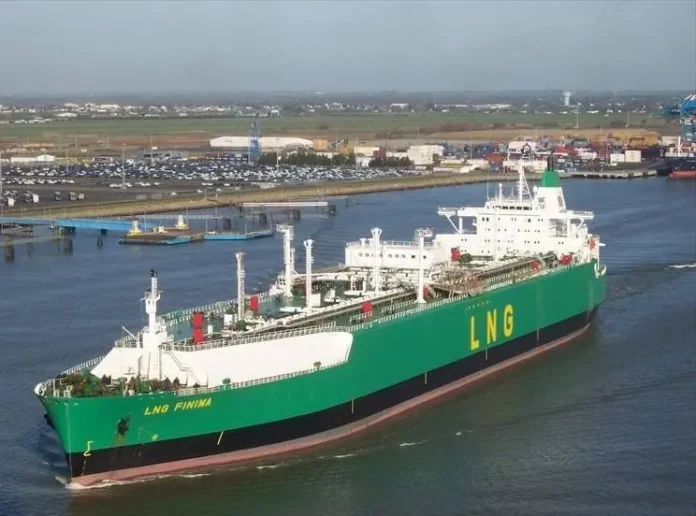
The International Gas Union (IGU) has said that Nigeria’s Liquefied Natural Gas (LNG) export slumped by 1.8MT in 2022 on the back of force majeure declared as a result of the massive flooding during the period.
However, it did not stop Nigeria from emerging as the seventh global LNG exporter in 2022, according to the 14th annual edition of the IGU World LNG report released by the organisation.
In the list of the top 20 global LNG exporters for 2022, Australia ranked first, exporting 80.9 metric tonnes (MT) during the year, with the United States following closely in second place with 80.5 metric tonnes, while Qatar claimed the third spot with exports of 80.1 metric tonnes.
In the fourth position was Russia, exporting 33 MT in 2022, while Malaysia ranked fifth, exporting 27.3 MT even as Indonesia occupied sixth place with export of 15.7 MT, while Nigeria stood in seventh place with export of 14.7 MT.
Others included Oman in eighth place with LNG export of 11 MT, and Algeria in ninth place with 10.5 MT. Trinidad and Tobago was in the 10th place with 8.8 MT.
The report stated that a total of 19.9 MTPA of liquefaction capacity was added globally in 2022, of which 15 MTPA was from the US, 3.4 MTPA from Mozambique and 1.5 MTPA from Russia.
Mozambique also exported its first LNG shipment from its Coral South FLNG project in November 2022, Australia remained the world’s largest LNG exporter in 2022, exporting 80.9 MT, an annual increase of 1.9 MT, supported by reduced planned maintenance.
The US overtook Qatar to become the world’s second largest LNG exporter in 2022 despite Freeport LNG in Texas being taken offline following a fire in June 2022 which dented production capacity by 15.3 MTPA.
The document added that global LNG trade reached a new record of 401.5MT in 2022, up by 6.8 per cent as against 4.5 per cent in 2021, connecting 20 exporting markets with 462 importing markets.
Apparently, the 25.4 MT increase was driven by a surge in LNG demand in Europe to offset dropping pipeline flows from Russia.
In all, the top three exporters were together responsible for 60 per cent of global LNG output in 2022, the report noted.
“Of the 20 LNG exporting markets, six reduced exports last year. Large reductions in LNG exports were observed in Nigeria (-1.8 MT) due to low feedstock and force majeure being declared following extreme flooding,” it stated.
In her remarks, the IGU President Li Yalan, noted that spiking LNG demand from Europe and a lack of growth in global LNG supplies resulted in soaring gas prices amidst a tight market.
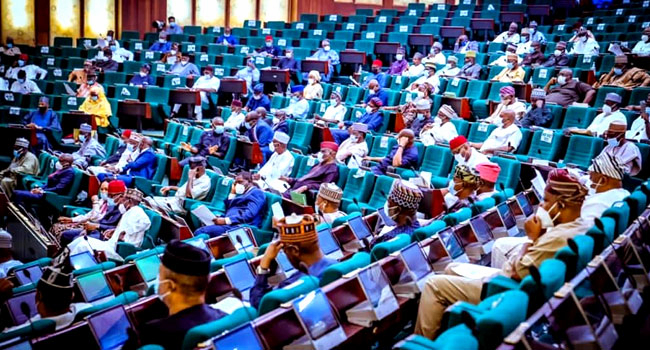
The House of Representatives has made known its intention to start an investigation into the on and off problems of aviation fuel contamination in the country.
The decision was made after the House adopted a motion of urgent public importance moved by Tunji Olawuyi (APC-Kwara) at a meeting in Abuja on Thursday.
In his motion, he said the contamination of the main fuel tanks of Boeing 737-300 aircraft belonging to Max Air B737-300 led to the Auxiliary Power Unit (APU) shutdown on July 7 at the Yola Airport.
He said Max Air had reportedly confirmed that it got the contaminated fuel from certain undisclosed aviation refuelling outlets.
This, he said, eventually led to the unfortunate incident and grounding of its 5N-MHM aircraft by the Nigerian Civil Aviation Authority (NCAA)
He noted that NCAA followed the incident via a letter NCAA/DG/AIR/11/16/363 dated July 9, and suspended parts A3 Aircraft Authorisation and D43 Aircraft Listing of the Operations Specifications issued to Max Air Ltd.
He said this was with regard to the operations of the Boeing B737 aircraft type in their fleet.
He said NCAA noted several occurrences involving Max Air Boeing B737 aircraft including the loss of the Number 1 Main Landing Gear (MLG) wheel during the serious incident involving a Boeing 737-400 aircraft.
He said this occurred between take-off at Yola Airport, Adamawa State and on landing at Nnamdi Azikiwe International Airport, Abuja, Nigeria on May 7.
He said many flight accidents in history were caused by fuel contamination resulting in abnormal operation of aircraft engines and water as a major contaminant.
He denounced the incapacity of the NCAA and other associated aviation and oil regulatory agencies to address the increasingly sharp practices in the aviation fueling industry.
Meanwhile, the Nigeria Civil Aviation Authority has commenced an elongated probe into the recent happenings involving water contamination in the fuel tanks of certain aircraft.
The National Economic Council (NEC) has thrown its weight behind the planned distribution of grains and fertilizer to Nigerians by the Federal Government through the Central Bank of Nigeria to mitigate the impact of the removal of petrol subsidy on citizens.
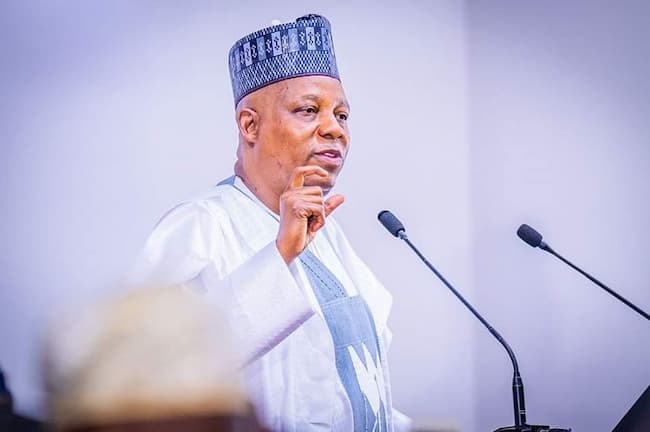
The decision was part of resolutions reached at the 4th meeting of the Council chaired by Vice President Kashim Shettima at the State House Executive Council Chambers, Abuja.
The decision was taken after a presentation by the NEC Adhoc Committee on cushioning the effect of petrol subsidy removal was made by Anambra State Governor, Prof. Chukwuma Soludo.
Speaking after deliberations on the presentation, Sen. Shettima read the resolutions of the Council noting, “we will also pursue vigorously, the mass deployment of CNG-powered vehicles and establishment of autogas conversion plants/kits in all States in the short-term and deployment of electric buses and cars with charging infrastructure across the country.”
The meeting also resolved to support enhanced engagements between State Governors and the leadership of the labour unions across the States, and proposed the provision of the cost-of-living allowances to be paid to civil servants in both the State and Federal Civil Services.
The Council agreed to support federal Government’s efforts to scale up infrastructure especially to give attention to fixing dilapidated highway roads across the country.
In alignment with its unwavering commitment to providing innovative and technology-driven imaging solutions to customers in Africa, Canon Central and North Africa is thrilled to announce the much-anticipated Multicam Show, which was held in Nigeria for the first time on 4th July 2023. The exclusive event provided a platform to showcase Canon’s cutting-edge multicamera technology and foster collaborations and partnerships to drive business opportunities in Africa while enhancing end-user confidence in Canon products.
With an impressive lineup of experts from the imaging and technology sectors, participants were able to connect and interact with professionals who have extensive knowledge and expertise in their respective fields, gaining insights into the latest trends, techniques, and solutions in the multi-cam industry.
Amine Djouahra, B2C BU Director, Canon Central & North Africa, says, “We are thrilled to have brought the Multicam Show to Nigeria, where our primary objective was to get closer to our valued customers and provide them with a hands-on experience of Canon’s promising multicamera technology. Our aim was to demonstrate how this technology can enhance and provide solutions to their current workflows. The event was specifically tailored to our target audience, which included professionals from the broadcast industry, radio stations, educational institutions, and houses of worship. We showcased some of the exciting new technologies and solutions that Canon will be providing through our PTZ (Pan-tilt-zoom), ENG (Electronic News Gathering), and cinema lineup. Our goal was to empower our customers by giving them the opportunity to explore the capabilities of Canon’s multicam technology and inspire them to elevate their multimedia projects to new heights.”
Driving the shift to digital technology in Africa
The event presented a great opportunity to drive and encourage the digital technology shift in Africa’s multimedia industry. With a majority of the industry yet to transition to digital, raising awareness and educating the market about the importance of this shift is crucial. With its advanced technology and products, Canon is well-positioned to lead this transformation.
An experience to remember
To take the experience to the next level, Canon created distinct experiential zones, each aimed at immersing customers in a dynamic and interactive environment that goes beyond traditional product showcases.
Through our experiential zones and interactive workstation walk-throughs, customers had the unique opportunity to touch, feel and experience our products firsthand. They explored the sleek interfaces, tried out the intuitive controls, and witnessed the seamless integration of our solutions into real-world applications.
Additionally, participants gained valuable insights into the capabilities of multi-cam technology through live demonstrations, interactive workshops, and presentations by professionals.
In the Broadcast Zone, participants embarked on an immersive journey into the world of innovative broadcast technology. This is the zone where innovation meets aspiration and where broadcasting aspirations can become a reality.
Among the highlights in this zone were the Canon C500 Mark II and the C300 Mark III video cameras, showcasing advanced features and unmatched flexibility, while the XF605 offered professional-grade video production capabilities. Additionally, the PTZ model exemplified the power of remote camera control, enabling effortless camera movements and capturing dynamic angles. Notably, the XC protocol feature further enhanced the versatility and connectivity of Canon’s innovative lineup. In the Broadcast Zone, customers had the opportunity to immerse themselves in an interactive workstation walk-through, where they could touch and try these cutting-edge products firsthand.
In the Education Zone, attendees were able to discover the future of classroom setups with a particular focus on the technologies of Auto-Tracking and Auto-loop. These innovative features revolutionize the way lectures are conducted by seamlessly tracking presenters or subjects and capturing their movements with precision and efficiency. This cutting-edge zone featured the CR-N300 cameras, each designed to deliver exceptional video quality and seamless control in various educational settings. Additionally, attendees took part in a captivating workstation walk-through illuminating the company’s innovative solutions for large events, educational institution lectures and seminars.
In the Radio Jockey Zone, customers explored a range of solutions including the UVC (Universal Video Class) technology integrated into the XA Series range of camcorders, offering exceptional image quality, easy connectivity, and user-friendly controls. Attendees also experienced a workstation walk-through, where they saw first-hand how UVC technology empowers broadcasters to deliver high-quality audiovisual content with crystal-clear audio in real-time.
The efficiency of Multicam Solutions
Canon’s Multicam Solutions offer a range of benefits, including operational, management, and cost efficiency. By leveraging these solutions, users can optimize their operations, improve process management, and achieve greater efficiency throughout their workflows.
This is just the beginning of an incredible journey! The Multicam Show will continue to reach even more of our valued customers across Africa, with Egypt being the next destination. Get ready to be inspired, informed, and empowered as this show promises to contribute to the growth and success of the multimedia industry throughout the continent. Distributed by APO Group on behalf of Canon Central and North Africa (CCNA).
About Canon Central and North Africa: Canon Central and North Africa (CCNA) (Canon-CNA.com) is a division within Canon Middle East FZ LLC (CME), a subsidiary of Canon Europe. The formation of CCNA in 2016 was a strategic step that aimed to enhance Canon’s business within the African region – by strengthening Canon’s in-country presence and focus. CCNA also demonstrates Canon’s commitment to operating closer to its customers and meeting their demands in the rapidly evolving African market.
Canon has been represented in the African continent for more than 15 years through distributors and partners that have successfully built a solid customer base in the region. CCNA ensures the provision of high-quality, technologically advanced products that meet the requirements of Africa’s rapidly evolving marketplace. With over 100 employees, CCNA manages sales and marketing activities across 44 countries in Africa.
Canon’s corporate philosophy is Kyosei living and working together for the common good’. CCNA pursues sustainable business growth, focusing on reducing its own environmental impact and supporting customers to reduce theirs using Canon’s products, solutions and services. At Canon, we are pioneers, constantly redefining the world of imaging for the greater good. Through our technology and our spirit of innovation, we push the bounds of what is possible – helping us to see our world in ways we never have before. We help bring creativity to life, one image at a time. Because when we can see our world, we can transform it for the better.
According to the data at the FMDQ Security Exchange where forex is traded officially, the dollar to naira exchange rate stood at (undisclosed).
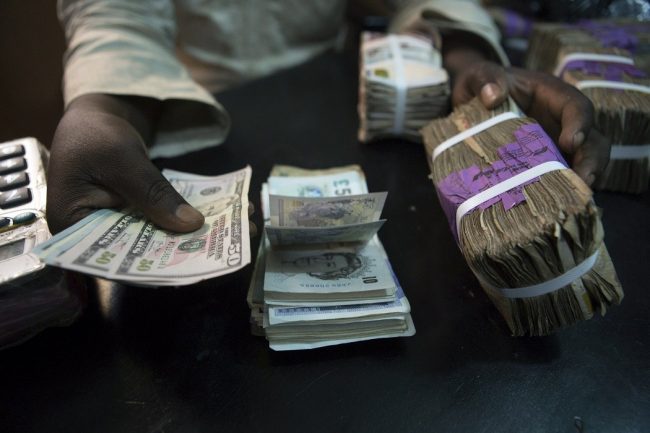
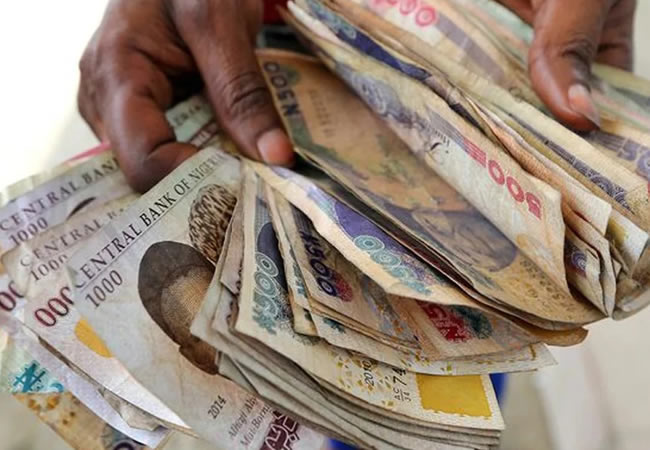
This would mean that the Nigerian currency dropped in value against the United States dollar, as the foreign exchange (forex) trading closed at ₦768.16 per $1 on Thursday, July 20.
How much is the dollarto naira at the black market today?
Going by sources at the Bureau De Change (BDC) in Lagos, the dollar to naira last exchange between ₦830 and ₦840 with an average of ₦835.33 n the black market in the state.
It is, however, pertinent to note that the Central Bank of Nigeria (CBN) does not recognise the parallel market (black market), as it has directed individuals who want to engage in forex to approach their respective banks.
British International Investment (BII), the UK’s development finance institution (DFI) and impact investor, has announced a $10 million commitment to the SDG Outcomes Fund as an anchor investor alongside the US International Development Finance Corporation (DFC).
Both DFIs will support the first fund dedicated to development impact bonds in lower and middle-income countries globally including Africa and South Asia.
Set up as a partnership with UBS Optimus Foundation as lead investor and Bridges Outcomes Partnerships, a specialist not-for-profit entity, as fund manager, the Fund uses an innovative blended finance structure to invest in impact bonds and similar outcomes-based contracts that support the UN Sustainable Development Goals.
It targets essential healthcare, education, employment, child protection and environmental outcomes aimed at improving the lives and livelihoods of some of the world’s most vulnerable populations.
As a leading impact investor, this marks BII’s first investment in development impact bonds. The fund will target some of the most challenging sectors and vulnerable communities as well as advance financing tools that help accelerate the progress of key development challenges facing the continent.
SDG Outcomes has made initial investments in West Africa, providing upfront capital to initiate and deliver education and environmental services. The fund aims to invest more widely across Africa and South Asia.
Education in Sierra Leone – supporting the local government to improve numeracy and literacy outcomes for 195 primary schools in Port Loko, Western Urban, Kambia, Bombali, Koinadugu, Tonkolili and Kono. The programme is working with over 42,000 children, while also helping to develop the schools through teacher training and curriculum improvement.
Education in Ghana – a similar-government-backed outcomes partnership, which aims to assist over 40,000 children already in education and increase access to schooling for a further 18,000 children outside the education system in the Northern region of Ghana (Tolon, Kumbungu, Savelugu Nanton) and Oti region (Nkwanta North, Nkwanta South, Krachi Nchumuru, Krachi West, Krachi East, Biakoye).
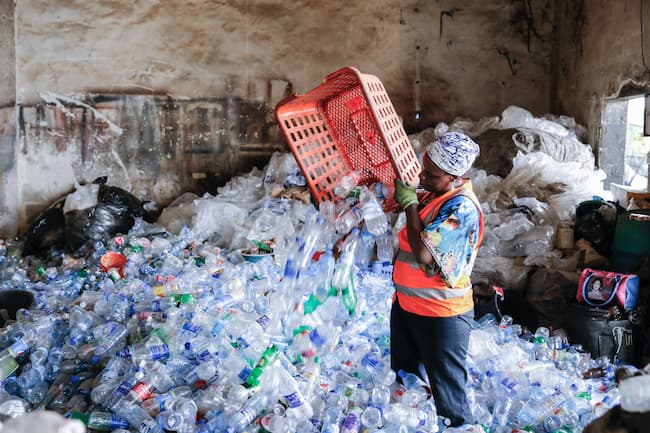
Sustainability in Nigeria – supporting the growth of Wecyclers, a social enterprise that collects, re-sells and recycles plastic waste via a franchise model. Wecyclers is aiming to collect over 30,000 tonnes of plastic waste during the next five years, while creating over 700 jobs in franchises and improving the incomes of thousands of waste sorters across Nigeria.
Through the SDG Outcomes Fund, impact investors fund the up-front costs of delivering these services. The commissioners of the programmes, which can include a government or NGO, commit to repaying this capital only if certain social and/or environmental outcomes are achieved.
This approach offers multiple benefits that result in better service delivery and greater impact. It helps to create innovation and greater collaboration between stakeholders as it keeps all parties accountable for and focused on delivering better outcomes and value. The delivery organisations are incentivised and allowed more flexibility to adjust their programmes to local circumstances and ensure that they are fit for purpose.
Mila Lukic, CEO of Bridges Outcomes Partnerships said: “We’re hugely excited by the potential of SDG Outcomes to improve lives at scale and, over time, to transform the way in which development projects are designed and delivered.
“Around 600 million young people globally lack numeracy and literacy skills; millions more are suffering from the effects of plastics pollution. We are pleased that SDG Outcomes’ first projects are helping to address these challenges through innovative, outcomes-based partnerships.”
Maya Ziswiler, CEO of the UBS Optimus Foundation, added: ”The SDG Outcomes initiative is one of the first of its kind to provide the scale so desperately needed to provide real impact.
“By creating an investible solution, we can help our clients and partners to mobilise all forms of capital – from philanthropic, through to public and private investors motivated by both financial and non-financial returns on their investments. We are excited to be bringing this landmark initiative to market.”
Andrew Mitchell, UK’s Minister for Development and Africa, commented: “This commitment will support sustainable development projects in developing countries, particularly in Africa and South Asia, giving some of the world’s most vulnerable communities the means to provide local solutions to local problems.
“Not only will Development Impact Bonds improve healthcare, education, and child protection, they will also support economic growth and climate action, giving a much-needed boost to the UN’s Sustainable Development Goals.”
Sara Taylor, Director and Head of PE Funds and Co-Investments at British International Investment said: “We are very excited to be working alongside high calibre partners and scaling an innovative and flexible financial mechanism that centres on delivering impact.
“The first projects in West Africa are well-aligned with our mission to provide patient capital to create productive, sustainable and inclusive economies and mobilise private investment capital to support communities in Africa and South Asia that are a priority for BII.”
The commitment from BIIwill contribute to the United Nations’ Sustainable Development Goals on Good health and well-being (SDG 3); Quality education (SDG 4); Decent Work and Economic Growth (SDG 8) and climate action (SDG 13).
L-R: Lead Partner, CMC Connect LLP, Yomi Badejo-Okusanya; Managing Partner, GLG Communications, Omawumi Ogbe and Managing Director/Editor in Chief, The Guardian Newspaper Ltd., Martin Oloja during the World PR Day and PR Power List presentation event in Lagos
Lagos, Nigeria; Wednesday, 19th July 2023; Lead Partner, CMC Connect LLP, Yomi Badejo-Okusanya, has achieved another remarkable milestone in his career as he was awarded an icon of the PR industry. The award, tagged ‘2023 PR Power List Icon Award’, celebrates his exceptional contributions and accomplishments in the field of Public Relations.
This year’s PR Power List was themed “Global Insights: Harnessing the Power of Public Relations.” The award ceremony, which took place on 16th July, was organized by a collaborative initiative of GLG Communications and The Guardian Nigeria in commemoration of World PR Day. The PR Power List recognised and commended 50 outstanding PR and communications practitioners worldwide. Since its inception in 2022, the list has become a significant platform that honors and highlights the achievements of professionals who have significantly shaped the PR and communications industry.
Yomi Badejo-Okusanya, in his role as the Lead Partner of CMC Connect LLP, has consistently demonstrated remarkable leadership in the field of Public Relations. His innovative approach to PR, driven by his four-fold vision of creativity, curiosity, imagination, and storytelling, has significantly elevated his standing in the industry.
Speaking on the award, Mr. Okusanya expressed his heartfelt appreciation to the organisers and delivered words of encouragement to aspiring PR professionals.
“With great pleasure, I receive this warm recognition and I commend the organisers for this great opportunity. To anyone who aspires to be at the top, with vision, strong determination, focus, and hard work, you can be on this stage. Choose to be that person and refuse to settle for average results or mediocrity,” he said.
The organisers emphasized that YBO’s recognition is a proof of his remarkable contributions to the Public Relations industry, stating that he has not only contributed to the industry but has also established solid foundations for his peers, ultimately reshaping the PR landscape in Nigeria and Africa at large.
It was also noted that he is a PR icon with over 30 years of experience with an immense impact that can be seen through his pioneering efforts.
You will recall that his dedication to excellence was also recognised when he was honoured with the esteemed Global Icon Award at the 33rd Annual Conference of African Public Relations held in Tanzania, in 2022.
As a visionary leader, Yomi Badejo-Okusanya’s achievements not only inspire his peers but also motivate aspiring PR professionals to strive for greatness. He continues to be a driving force in the Public Relations landscape, innovating new ideas, and shaping the future of the industry.
Transiting from a Limited Liability Company to Limited Liability Partnership, CMC Connect LLP, under Yomi Badejo-Okusanya’s leadership over the years, has emerged as the biggest, most diversified, and most capacity-infused Public Relations and Strategic Communications firm.
The Nigerian naira rose against the dominance of the US dollar at the foreign exchange market for investors and exporters. The local currency recovered losses experienced as a result of increased forex demand versus a moderate supply level in the market.
According to the FMDQ Exchange fx quotation, the US dollar was sold to importers at N768.16 in the Central Bank of Nigeria’s organised FX market. This equates to a 3.22% daily gain in the foreign currency market when compared to the N793.70 it traded for the US dollar on Wednesday.
According to traders, the open indicative rate ended at N787.13 per dollar on Thursday. The highest spot exchange rate reported throughout the day’s trade before it settled was N844 to the US dollar.
The naira traded for as little as N700 to the dollar during the day’s trading, according to Nigeria’s FX market report. On Thursday, 56.22 million dollars were exchanged in the investors and exporters window.
The Naira, on the other hand, resumed its downward trajectory in the parallel market, falling 1.18% to N860 from N850 versus the US dollar. According to data on the CBN website, gross external reserves fell further despite a persistent lack of FX inflows.
Nigeria has paid its 10-year Eurobond obligations, which were due to maturity on July 12, 2022. As the naira continues to deteriorate, commentators have charged the central bank with resolving the FX backlog due to foreign investors in order to entice US dollar inflows into the economy.
The apex bank has been selling foreign currency in a mild market intervention to protect the Naira every week since June 22, 2023, after a large devaluation to keep investors and exporters FX market wet.
Analysts at Cordros Capital Limited said in an update that as of mid-July, the apex bank has boosted the official window with a total sum of $96 million.
The FAAC distributed N907.05 billion in June Federation Account income to the Federal Government, states, and Local Government Councils (LGCs). This was revealed in a communiqué published at the end of the July FAAC meeting in Abuja on Thursday. Dr Oluwatoyin Madein, the Federation’s Accountant General, presided over the meeting.
The N907.05 billion total distributable revenue included N301.5 billion in distributable statutory revenue, N273.23 billion in distributable Value Added Tax (VAT), and N11.44 billion in Electronic Money Transfer Levy (EMTL).
It also included Exchange Difference revenue of N320.89 billion. “In June 2023, the total deductions for cost of collection was N73.235 billion and total deductions for savings, transfers and refunds was N979.078 million. “The balance in the Excess Crude Account (ECA) was 473,754.57 dollars,” it stated.
The communiqué stated that from the total distributable revenue of N907.05 billion; the federal government received N345.56 billion, the state governments received N295.95 billion and the LGCs received N218.06 billion. A total sum of N47.48 billion was shared to the relevant states as 13 per cent derivation revenue.
“Gross statutory revenue of N1.152 trillion was received for the month of June. “This was higher than the sum of N701.787 billion received in the previous month by N451.134 billion.
“From the N301.501 billion distributable statutory revenue, the federal government received N146.710 billion, the state governments received N74.413 billion and the LGCs received N57.370 billion.
“The sum of N23.008 billion was shared to the relevant States as 13 per cent derivation revenue,” it said. The communiqué further stated that the gross revenue available from VAT was N293.411 billion, adding that it was higher than the N270.197 billion available in the month of May by N23.214 billion.
It said that the federal government received N40.984 billion, the state governments received N136.613 billion and the LGCs received N95.63 billion from the N273.23 billion distributable VAT revenue.
“The N11.436 billion EMTL was shared as follows: the Federal Government received N1.715 billion, the State Governments received N5.718 billion and the LGCs received N4.003 billion.
“From the N320.892 billion Exchange Difference revenue, the Federal Government received N156.155 billion, the state governments received N79.204 billion, the LGCs received N61.063 billion. “The sum of N24.470 billion was shared to the relevant States as 13 per cent mineral revenue,” it said.
It stated that Companies Income Tax (CIT), Import and Excise Duties, VAT, and Oil and Gas Royalties all increased significantly, while Petroleum Profit Tax and EMTL decreased considerably.
The Federal Inland Revenue Service (FIRS) has announced a total tax revenue collection of N5.5 trillion for the half-year period of January to June 2023. This is the highest tax revenue collection ever recorded by the Service in any first six months of a fiscal year.
Mr. Muhammad Nami, Executive Chairman of the FIRS stated this while presenting the 2023-2024 tax revenue outlook to the National Economic Council at its meeting held on Thursday 20th July 2023, at the Presidential Villa, Abuja.
The presentation, which contained FIRS’ 2023 Half-Year Collection Report, showed that the FIRS achieved over one hundred percent of its target for the first half of the year when compared with a mid-year target of N5.3 trillion.
According to the report, tax revenue collected from the oil sector from January to June 2023, stood at N2.03 trillion, as against a target of N2.3 trillion; while non-oil tax collection stood at N3.76 trillion, as against a target of N2.98 trillion. Mr. Nami, in his presentation, further stated that the Service collected a total of N1.65 trillion tax revenues in June 2023. This sum is the highest tax revenue the Service collects in any month.
Speaking to what he described as “a good head start, despite stubborn headwinds,” Mr. Muhammad Nami, attributed the excellent performance to improved voluntary tax compliance enabled by the automation of FIRS’ tax administrative processes.
“This is a good head start as we work towards meeting our target for the year. And it was achieved despite stubborn headwinds such as the impact of the currency redesign and 2023 General Elections on the economy in the first and second quarters of 2023”, said Mr Nami.
“This half-year performance was achieved as a result of improved voluntary tax compliance by taxpayers, the continued improvement of automation of our tax administration processes, including the updated VAT filing processes; as well as our dogged engagement with stakeholders in both the formal and informal sectors of the economy.”, he concluded.
Commenting on the outlook for the remainder of the year, the FIRS Executive Chairman gave assurances that the country should expect “better days ahead” in terms of tax revenue collection.
“We believe that the performance in the second half of the year would be better considering the continuing improvement to our tax administration processes and positive impact of current government’s policies on the economy,” said the Executive Chairman.
It would be recalled that the Service achieved a total collection of N10.1 trillion in the year 2022, being the highest tax collection ever made by the FIRS in a single year.
Oil prices climbed marginally after oil inventories in the United States fell less than predicted. Brent crude oil rose 0.1% to $79.56 a barrel, while West Texas Intermediate (WTI) rose 0.1% to $75.38.
According to EIA statistics, US oil supplies declined by 708,000 barrels in the week ending Friday, which was less than the 1.8 million-barrel reduction predicted by experts. Nonetheless, investor attitude about the US economy has improved in recent weeks, while Russian exports have faltered, contributing to higher oil prices.
“The U.S. economy remains resilient, production cuts continue, the Fed appears closer to finishing its rate hike cycle” while China could be poised to set out new stimulus measures, says Quincy Krosby, chief global strategist at LPL Financial.
According to statistics issued late Wednesday by the Energy Information Administration (EIA), commercial crude oil stocks in the United States fell by 0.2% for the week ending July 14.
Inventories declined by roughly 700,000 barrels to 457.4 million barrels, less than the 2.25 million barrel drop predicted by the American Petroleum Institute. Strategic petroleum reserves, which are separate from commercial oil supplies, were constant last week at 346.8 million barrels, according to the report.
Over the same time period, gasoline stocks fell by 1.1 million barrels to 218.4 million barrels.
According to EIA statistics, US crude oil imports grew by about 1.29 million barrels per day (bpd) to approximately 7.17 million bpd for the week ending July 14, while crude oil exports increased by approximately 1.67 million bpd.
US crude oil production, meanwhile, declined by 11,000 bpd and stood at 12.7 million bpd over the same period. In the Short-Term Energy Outlook (STEO) released on July 12, the EIA predicted crude oil output in the country would reach an average of 12.56 million bpd this year.
Next year, crude oil output in the country is expected to reach 12.85 million bpd. The findings show that the country’s crude oil demand recovery from pandemic-era lows is taking longer than expected, sending prices lower.
Meanwhile, as investors hope for significant stimulus measures from China as the country’s latest economic data signals slower-than-expected growth in the world’s second-largest economy, experts say the figures may not be low enough to trigger large-scale rescue measures from top policymakers.
According to the Nigeria Customs Service (NCS), Port Harcourt Area 11, Onne Command, the first half of the fiscal year 2023 produced more over N118 billion.
Comptroller Imam Baba made the announcement in a statement signed by the Command Public Relations Officer, Spt. Benjamin Lomba, and made accessible to journalists in Port Harcourt on Thursday.
During the time under review, the command also confiscated 32 containers of contraband valued more than N1 billion, according to the statement. The comptroller stated that his government has made great efforts thus far in addressing all tax leakages and smuggling operations.
He also said that the result led to successful seizure of 32 containers with a Duty Paid Value of more than ₦1.1 billion Breakdown on record of seizures included Pharmaceuticals/Medicaments and fireworks with Duty Paid Value of N139.8 million. Others are vegetable oil with Duty Paid Value of N833.1 million, plastic with Duty Paid Value of N6.6 million, textiles with Duty Paid Value of N3.6 million.
“In June, the command seized drugs in one of the bonded terminals, the drugs have since been handed over to the National Drug Law Enforcement Agency (NDLEA) in line with the memorandum of understanding between the NCS and NDLEA.
“It is important to inform the public that one of the core functions of customs is trade facilitation which promotes streamlined and simplified technical and legal procedure for import and export goods,” the comptroller said.
Depression is a mood disorder that causes a prolonged feeling of sadness and loss of interest in humans. Depression can be mild or severe, short-lived or long-lasting depending on how a depressed person is helped and heals. Some people are affected by depression only once, while others may experience it multiple times. Depression can lead to suicide but this can be avoided when a depressed person gets the right support.
Depression can manifest as a response to trauma like, the death of a family member or loved one, abuse, stress, violence of any kind, Genetics and sometimes the causes of depression are unknown.
Depression in Humans
Depression manifest in humans as a temporary or elongated phase of sadness or moodiness.
Some people might say they feel unhappy all the time with no zeal to do anything while others might say they want to end it all as they are tired of living because they feel unhappy all the time. People who are depressed poses great threat to themselves and should not be allowed to be alone until they have been therapized to avoid stories that touches the heart in future.
Just because a person seems sad doesn’t necessarily mean they are depressed But if the sadness becomes elongated or interferes with normal social activities, interests, school, work or family life, it may mean they need therapy.
NOTE: Only a doctor or a mental health professional can diagnose depression.
Signs and symptoms of depression
Physical Depression
Extreme fatigue and exhaustion
Weakness
Shivering at all times
Insomnia
Loss of appetite
Unnecessary body pains and aches
Self inflicted harm
Psychological Depression
Persistent feeling of loneliness
Elongated sadness
Severe anxiety
Suicidal thoughts
.
Ways you can help a depressed person
Talk to them; Find out what is happening to them, how they are feeling and what could have triggered them.
Spend time with them; Bond with them, Create happy memories with them, Find out what they love to do and do it with them.
Book therapy sessions with a professional mental health professional on their behalf.
What is beauty? you are about to give the social construct definition of beauty right? you might be correct or wrong as well. Everyone walking the face of the earth is beautiful. It doesn’t matter if you are tall or short, plump or skinny, black or light-skinned, you are beautiful irrespective of your shape or form. But there is a clause to beauty, it can be enhanced and needs to be maintained.
To keep your physical beauty at the optimal level, all you have to do is unlock the secrets to enhancing and maintaining your beauty using the below tips:
Secret 1:
Money: Money is very important when it comes to skincare. If you are looking to get that flawless skin that will make everyone who sees you drop their jaw, you need to spend on acquiring the right skincare products or pay for the service of a dermatologist to evaluate your skin and prescribe the right skincare for you. You do not want to get cheap skincare products as they can cause irritation or damage to your skin.
Secret 2:
Water: Forget the drink 8 glasses of water rule, and drink as many glasses of water as you can or just enough that you don’t feel thirsty. The skin can get flaky, dry, and irritable when you are dehydrated and you don’t want that.
Secret 3:
Sunscreen: According to science, UV rays have been found to be the most common cause of skin cancer and aging. Sunscreen prevents all these. Applying sunscreen on the skin gives you youthful and radiant skin while also protecting your skin from sunburn which is another skin defect UV rays cause. Come rain or shine, ensure your skin is covered in sunscreen at all times.
Note: You should apply sunscreen on your skin 15 minutes before going out to allow your body absorb it properly.
Secret 4:
Moisturizer: A moisturizer (emollient) is a cosmetic preparation used for protecting, moisturizing, and lubricating the skin. Ensure you have a moisturizing lotion in your skin care products that will hydrate the surface layers of your skin to prevent flaky, or dry skin. You can also get a self-tanner to help you hide veins on your legs and give you that smooth effect you long for.
Secret 5:
Exercise: Physical activity is one of the keys to unlocking your glow. You need to exercise regularly and No, you don’t need to hit the gym to unlock this secret. Simple locomotor movements, workouts, and using the treadmill help improve blood circulation and oxygen capacity which in turn gives you that glow you long for, while also keeping your body healthy.
Secret 6:
Eat right: Balanced Nutrition is another secret to achieving that all-round glow that you desire. To unlock this secret, you need to eat lots of fruits and vegetables -emphasis on foods containing the nutrients vitamins A, E, and C, as they help eradicate skin issues.
Secret 7:
Confidence: If after unlocking previous secrets you are missing this, It is impossible to achieve that glow you desire. You need to feel good about yourself and to achieve this, you have to do things that makes you happy. If you look happy, you will automatically feel the glow.
Remember, You are never fully dressed without a smile (be confident).