Nigerian music superstar, David Adeleke popularly known as Davido has reacted to a post that revealed the action of an Eko Hotel and Suites worker, Kekwaaru Ngozi Mary, who returned a misplaced $70,000 to a customer in Lagos.
The Afrobeat superstar tweeted via his Twitter on Sunday “Find her for me … I donate $10k”.
Ngozi Mary had been making waves on social media and being celebrated for having returned $70,000 (over ₦55 million) to a customer in a Lagos hotel.
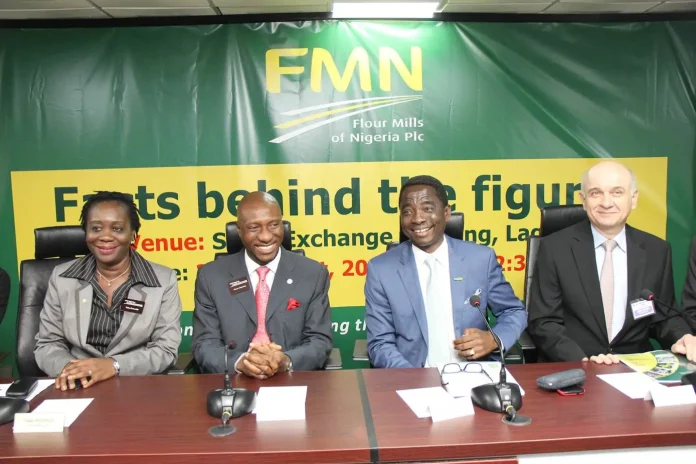
The Northern Nigeria Flour Mills Plc, NNFM, has revealed that its asset grew by 34 per cent in the full-year financial results for 2022/2023.
Commenting on the result in a statement released by the firm, the Group Managing Director and CEO of the company, Mr. Omoboyede Olusanya, said their state-of-the-art production facilities and the commitment to ensure the highest standards of product quality and unwavering consistency was critical to the FY performance.
According to him, “Northern Nigeria Flour Mills continues to excel as a strategic subsidiary within our esteemed corporate group. These remarkable financial results reflect our collective efforts in fostering innovation, operational excellence, and customer-centricity.
“NNFM remains steadfast in its mission to provide an extensive range of food products by processing locally sourced grains, with its flagship flour brand occupying an indispensable place in households throughout the region.”
Commenting on the performance also, the Managing Director of NNFM, Mr. Adrian Naidoo, expressed his delight at the company’s impressive financial performance.
He said, “This result and our outstanding growth is a testament to our unwavering commitment to excellence, continuous improvement, and the resilience of our dedicated team. We remain committed to driving local content development, delivering exceptional products, and creating sustainable value for all our stakeholders.”
But according to the statement the company’s total assets grew to an impressive N17,827,833,000, representing about a 34 per cent increase from N13,315,128,000 in the previous year, with the firm saying “this notable achievement underscores NNFM’s unwavering dedication to expanding its production capabilities and diversifying its product portfolio.”
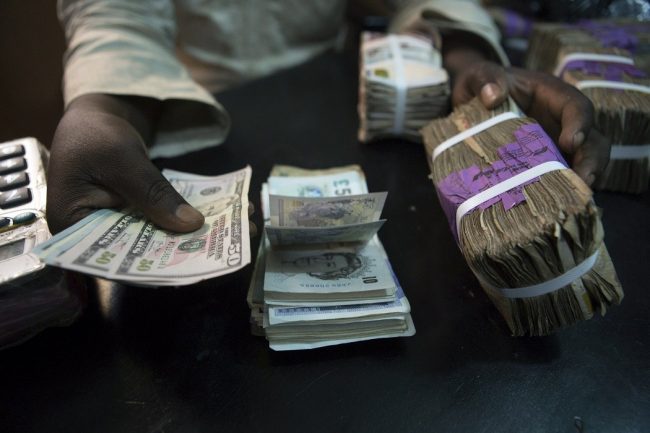
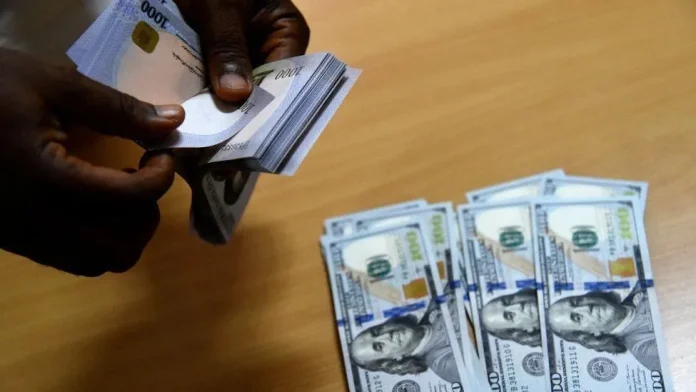
According to the data at the FMDQ Security Exchange where forex is traded officially, the dollar to naira exchange rate stood at (undisclosed).
This would mean that the Nigerian currency dropped in value against the United States dollar, as the foreign exchange (forex) trading closed at ₦777.82 per $1 on Thursday, July 20.
How much is the dollarto naira at the black market today?
Going by sources at the Bureau De Change (BDC) in Lagos, the dollar to naira last exchanged ₦836 in the black market in the state.
It is, however, pertinent to note that the Central Bank of Nigeria (CBN) does not recognise the parallel market (black market), as it has directed individuals who want to engage in forex to approach their respective banks.
The naira maintained its downward trend versus the dollar, trading at 876/$ in the parallel market. According to certain Bureau de Change operators, the local currency had previously swapped to the dollar at 820 a week earlier.
Since the Central Bank of Nigeria unified the country’s currency rates in recent weeks, the naira has continued to fall against the dollar due to a liquidity crisis, speculation, and other issues.
a BDC operator in Lagos, Alhaji Sanni Abdul, stated, “Naira is currently bought and sold at 850/$ and 876/$. The exchange rate has not been stable for some time now.”
Another BDC operator, Alli Ibrahim, said, “Things are getting more expensive. As of Friday, we were buying and selling the naira at 850/$ and 865/$.”
Chief Executive Officer, Centre for the Promotion of Private Enterprise, Dr. Muda Yusuf, said the foreign exchange market was evidently under pressure as a result of a number of factors. He said there was a curious surge in monetary expansion in the last month.
Yusuf said, “Money supply grew by an unprecedented 15 per cent in one month between May and June 2023. Broad money grew by over N9tn, from N55.7tn to N64.9tn. This surge in monetary growth is unprecedented. Obviously, this must have had an effect on the exchange rate.”
He said the monetary authorities should investigate this drastic growth in money supply and take steps to curb subsequent expansion.
“Such dramatic growth in money supply poses a significant risk to macroeconomic stability, especially price stability,” he said.
He said that there has been a cumulative backlog of unmet foreign exchange demand in the billions of dollars over the previous few years as a result of significant illiquidity in the foreign exchange market.
The burden of the backlog of unfulfilled requests and other maturing currency-related liabilities had been released on the investors’ and exporters’ window, he added, with a more liberalised forex market.
However, the naira gained 3.24 percent versus the dollar in the preceding week on the Investor & Exporter FX market.
According to statistics from FMDQ Securities’ official trading portal, the naira gained 3.24 basis points, increasing its value to 777.82 per dollar. It closed last week at 803.90/$. As of Friday, the naira traded at an intra-day high of 855/$ and a low of 665/$ with a total turnover of $77.99m.
Stakeholders and subject matter experts alike agree that an increased focus on Science, Technology, Engineering, and Mathematics (STEM) education is essential for economic development. This four-pronged knowledge-based framework has inspired countries around the world to ramp up efforts in STEM research to find innovative solutions to critical economic challenges in areas such as health, food production, infrastructure, the environment, and manufacturing.
Africa is no exception. Despite the continent lagging behind its global peers in STEM education, there is a growing recognition of the importance of STEM for Africa’s economic development and prosperity. In recent years, there has been a surge in initiatives to promote STEM education across Africa.
To advance this narrative of Africans’ ability to create the needed continental change, Interswitch, Africa’s leading integrated digital payments and e-commerce enabler is sustaining and consolidating Interswitch SPAK, its flagship educational corporate responsibility intervention which is geared towards creating shared value. Interswitch SPAK is the leading National STEM Championship in Africa, currently operational in Nigeria and Kenya, currently in its 5th landmark year.
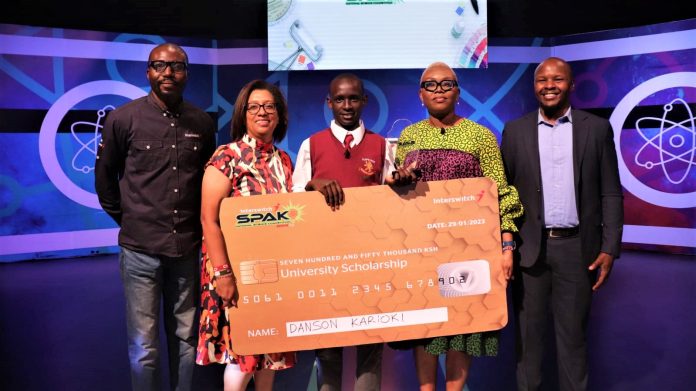
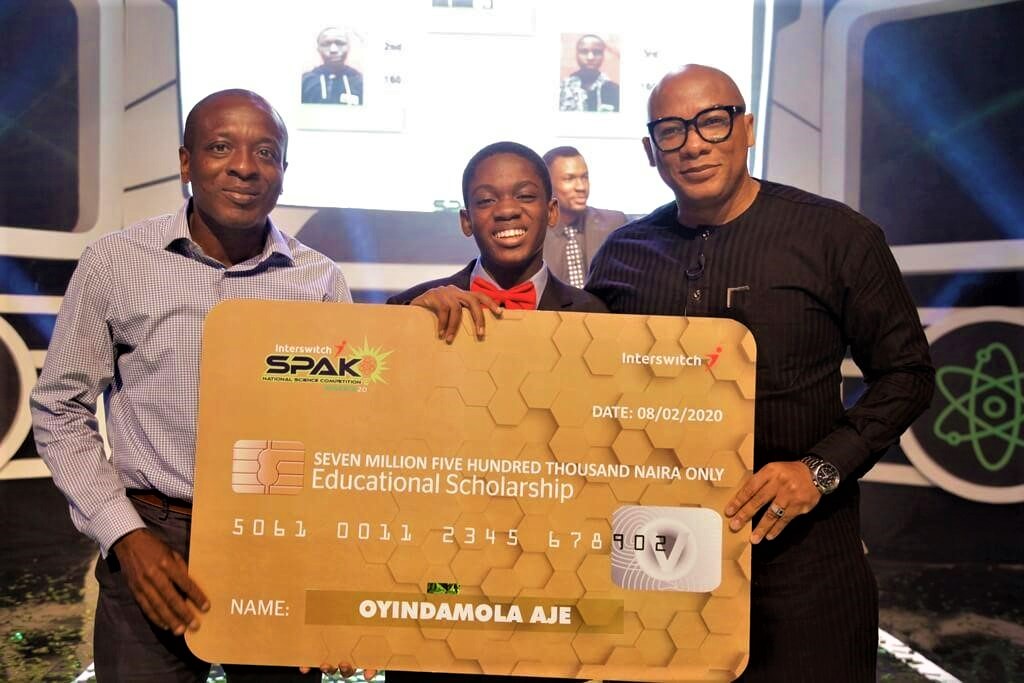
The fifth edition of the prestigious annual STEM-focused initiative targeted at young Africans, Interswitch SPAK National Science competition, has commenced, and the winner will receive N7.5 million in scholarships for a five-year period, a laptop and monthly stipends.
According to statistics released by the company, the recently concluded registration for Interswitch SPAK 5.0 in Nigeria closed out with 17,139 high school science students enrolled to partake in the National Qualifying Examinations, representing a significant 34% increase over 2022 numbers. Similarly in Kenya, where the program is in its 4th year (having commenced a year later than the inaugural edition in Nigeria), registrations for season 4.0 saw a 31% spike over last year.
Interswitch conceptualized and developed the initiative with a view towards igniting, promoting, and rewarding STEM interest in young Africans. Since its inception in Nigeria in 2017, the Interswitch SPAK competition has drawn over 9,000 schools and more than 60,000 students from senior secondary schools across Nigeria – 6 of which appear in the top 10 rankings of best JAMB results annually. Of the thousands of interested applicants, the competition has delivered five winners, the most recent of which was historic, as the competition had its first female winner, Orevaoghene Whiskey of Top Faith International School, Akwa Ibom State. It has merged as a hub that supports the STEM aspirations of young Africans, providing them with a platform to collaborate with other brilliant minds on the continent in a bid to craft innovative solutions to Africa’s peculiar problems.
Having its roots in Nigeria where four (4) winners have emerged year-on-year, the competition’s success led to a spin-off in Kenya where three (3) national science champions have equally emerged so far, brimming with their deep-seated desires to change the STEM landscape in Africa.
The Interswitch Group have remained consistent in their messaging: Africa’s future is mostly determined by young Africans. Globally, Africa’s youth demographic is projected to grow to about 42 percent of the global youth population, according to the World Economic Forum. The continent has the youngest population in the world, with 70 percent of them falling under the age of 30.
This presents an immense opportunity for the continent; and a narrowed focus on STEM-related subjects will project Africa as a global force to reckon with. Today, there are no shortages of young African innovators, as they compete with their peers globally, bolstering the belief that Africans have the capacity to transform the continent and be global luminaries if the right tools are provided.
As a catalyst for educational transformation across Africa, the Interswitch SPAK competition also provides mentorship opportunities to guide these students through their chosen career paths on their journey to creating impactful change. Resting on four pillars: Speed, Precision, Accuracy, and Knowledge, the competition is designed to stimulate these brilliant young minds, sharpening their mental tools at the critical stage at which career decisions are made and aspirations are shaped.
Knowledge derived from the show are channeled towards the development of innovative solutions that address local and global challenges, fostering an entrepreneurial mindset and problem-solving abilities. At this critical juncture in Africa’s developmental phase, a generation of critical thinkers are vital to the continent’s growth.
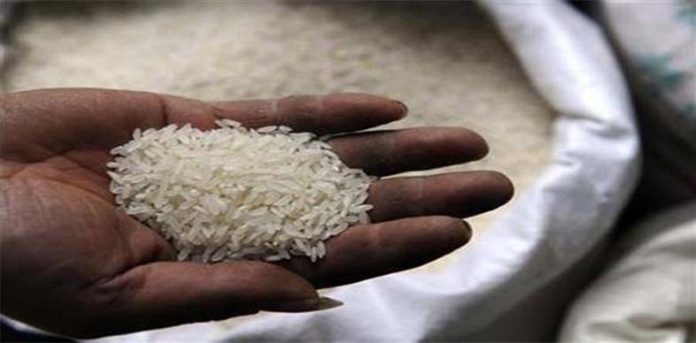
The Indian government has revealed that it has suspended exports of non-basmati white rice to Nigeria, and other countries.
Disclosing this development, India’s Ministry of consumer affairs, food, and public distribution, stated that the suspension was an approach to lower the price of the commodity in the country.
Widely consumed globally, non-basmati rice is a type of rice that has a small grain size.
The ministry said the export ban on the rice followed a surge in retail prices by 3 percent in a month, after late but heavy monsoon rains, which caused significant damage to crops.
“In order to ensure adequate availability of non-basmati white rice in the Indian market and to allay the rise in prices in the domestic market, the government of India has amended the export policy,” the food ministry said, citing an 11.5 percent increase in retail prices in 12 months.
“The prohibition on export of non-basmati white rice will lead to lowering of prices for the consumers in the country.”
The government clarified that parboiled rice, which represented 7.4 million tons of exports in 2022, was not included in the ban.
According to the ministry, the ban took effect from July 20, but vessels underloading would be allowed for exports.
Will Nigeria be affected by India’s suspension of rice export?
The development comes a few days after the Russian government halted its participation in a deal that allowed the export of Ukrainian grain through the Black Sea — straining the global food supply.
India accounts for more than 40 percent of the world’s rice exports, and a reduction in shipments from other exporters may impact global food prices, which were already rising as a result of the Russian invasion of Ukraine last year.
India’s decision may have more impact on African buyers, especially Nigeria, a major importer of the commodity.
In 2021, Nigeria imported rice primarily from India at $5.78 million, representing the highest imports relative to Thailand ($948,000), the United States ($694,000), Vietnam ($589,000), and United Arab Emirates ($509,000).
Former President Muhammadu Buhari had, in August 2019, shut all land borders in the country as part of efforts to curtail smuggling and boost local production of the staple.
Rice is one of the most consumed staples in Nigeria, with a consumption per capita of 32 kilogramme (kg).
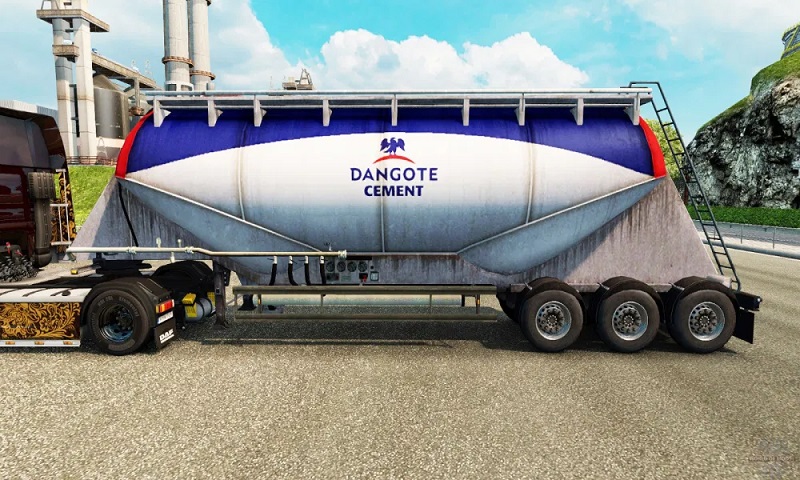
Dangote Cement has completed the first tranche of its share buy back programme.
The share buy back programme was announced in early July.
In a corporate notice filed on the Nigerian Exchange Limited on Thursday, Dangote Cement said the first tranche commenced on Monday and was completed on Tuesday via the open market on NGX.
The total number of shares repurchased was 121,404,714 representing 0.71 per cent of the company’s issued and fully paid ordinary shares.
The value of the repurchased shares was N41.15bn at the average price of N339.
Following the conclusion of tranche I, the total number of issued and fully paid outstanding shares of Dangote Cement amounted to 16,752,154,537.
The company said, “the repurchased shares will be held as treasury shares and may subsequently be cancelled.”
In its 2022 financial year report, the company generated revenues of N1.62tn for the year ended (FY 2021: N1.38tn) and net profit of N382.31bn (FY 2021: N364.44bn).
Dangote Cement operates in over 10 African countries.
The Federal Capital Territory (FCT) Emergency Management Agency (FEMA) has advised Abuja residents to brace for a downpour on Sunday, and has kept its staff on high alert.
FEMA spokesperson Nkechi Isa issued the warning in a statement Saturday, citing the Nigeria Meteorological Agency’s (NiMET) prior forecast of heavy rain in Abuja and neighboring states.
“The Federal Capital Territory (FCT) and states adjacent to it are expected to experience heavy to moderate rainfall tomorrow,” according to FEMA.
“NiMET impact-based weather forecast also anticipates low to moderate rainfall on Sunday 23rd, 2023 in parts of the FCT and its neighboring states,” it added.
“Reacting to the early warning, the Director General of the FCT Emergency Management Agency,(FEMA), Dr Abbas Garba Idriss has placed the Search and rescue team of the Agency on alert. Dr Idriss has also directed an update of the Agency’s flood contingency plans.
“He appealed to residents to heed the early warning and avoid driving or wading into a pool of water during the rains. Idriss also urged FCT residents to wait out the rains during heavy floods or use an alternative route.”
The spokeswoman quoted the FEMA chief as saying, “All blocked drains must be cleared, and people who live on water channels must relocate.”
The ECOWAS Youth Council (EYC) has advised the new Chairman of the Economic Community of West African States, Bola Tinubu, to make youth inclusion and development part of the sub-regional body’s agenda during his tenure.
The EYC lauded Tinubu, who is also Nigeria’s president, for declaring a commitment to ending coups, maintaining peace and security in West Africa, especially in Francophone countries as priority issues of the ECOWAS.
EYC said these steps if pursued effectively, would ensure stability, peace and unity in members countries.
The President of EYC, Dr Oluwaseun William, spoke in Abeokuta, during the investiture of Dr Babatunde Adeyemo as ECOWAS Youth Ambassador.
The event had in attendance renowned Neurosurgeon, Dr. Olusola Talabi, Permanent Secretary, Ogun State Bureau of Politics and Intergovernmental Affairs, Mr Kehinde Onasanya, and former lawmaker, Adekunle Adeyemi, among others.
William, who noted the place of youths in society, nation building and peace in the West African sub region, expressed the readiness of the youth council to engage Tinubu on how to ensure youth inclusion in the governance of ECOWAS.
Going forward, he said, the body was going to help young people to participate in politics, economic development, regional integration and education as part of measures to push the youth up the ladder of leadership and decision-making positions.
He said, “The ECOWAS Chairman, Bola Tinubu, who doubles as the President of Nigeria has made stopping coup and maintaining peace and security in West African subregion, most especially in the francophone countries, as top items on his agenda and we are waiting and we want to see the agenda of Mr Chairman as regard youth inclusion because this is where we would be able to engage the ECOWAS Chairman and the commission on how they want to be decisive in ensuring the growth of young people in West Africa.
“Even without hearing his agenda, we are putting some ideas in place to engage the appropriate quarters that link to Mr President to see how we can bring youth inclusion in the governance of ECOWAS itself and how we are going to help the youth participate in politics, economic development, regional integration and education.”
Speaking in his acceptance speech, Adeyemo, emphasised the need to harness the potentials of Nigerian youths.
He said, “An average Nigerian youth have had their future stolen and looted, hence the need for our new government of the day to make a drastic effort to reconcile the huge margin between the young and the old Nigerians in governance.
“The aborted #EndSARS protest in Lagos, is a very strong expression of grievance by the Nigerian youths that should not be overlooked by any serious nation or government. Yes, the Nigerian numerous economic challenges cannot be corrected overnight, but an average Nigerian youth, need to start to have the sense of belonging, from the appointments of the President. Only the youths can guarantee an effective and efficient delivery of the Nigerian future.”
He added that, “Research has it that the current life expectancy for Nigeria in 2023 is 55.75 years, when you compare this with ages of our leaders, we will all agree that the nation needs a drastic injection of decent youths in governance.
“These youths, if properly selected, can always be used as frontline or veritable agent of bargaining powers for government, whenever revolt raises its head and also to guarantee quality and energy – filled governance.”
Adeyemo, who is the Chief Executive Officer of Pelican Valley Nigeria Limited, also bagged the EYC’s Nelson Mandela Leadership for Excellence and Integrity Award at the event.
The Nigeria Customs Service (NCS), Federal Operations Unit, Zone B, Kaduna has said the unit seized vehicles and other smuggled goods worth N1tn between May and July.
In a statement on Friday, the command’s Public Relations Officer, Isah Sulieman, said the command recorded, 179 seizures within the period under reassessment.
The Customs Area Controller in charge of the unit, Musa Jalo, said the smuggled goods were seized at different locations in the zone.
He said, “I am particularly happy to inform you that between May to July this year, the unit under recorded a total of 179 seizure worth N1tn. The assortments of items which were arrested in different locations within the zone were mainly intelligence-driven, plus the due vigilance and diligence of officers and men of the unit.”
Within the period under reassessment, he said, the unit seized illicit substances like cannabis sativa among others.
Jalo said that the illicit drugs were seized jointly with joint border patrol team in Kebbi.
According to him, “Some of the items seized includes, vehicles, smuggled foreign parboiled rice and Second-hand clothing, foreign soaps, vegetable oil, and pasta.
“21 units of used vehicles, 11 units of vehicles ( as means of conveyance), 2234 bags of foreign parboiled rice of 50Kg each, 48 bags of foreign parboiled rice of 25Kg each, 226 jerrycans of foreign refined vegetable oil of 25litres each, 2,780 cartons of foreign spaghetti, macaroni, and couscous, 278 bales of foreign second-hand clothing, 15 sacks of foreign second-hand shoes, 140 cartons of foreign tin tomato paste, foreign pomade, foreign milky creamer, foreign green tea, foreign milk, 149 cartons of foreign fruit juice, foreign soap, foreign matches, 140 jerrycans of automotive gas oil of 25litres each, 1000 jerrycans of premium motor spirit of 25litres each.”
The Customs Zone B boss, warned the perpetrators to desist and engage in legitimate trade, as the unit had no plans to negotiate the extant laws.
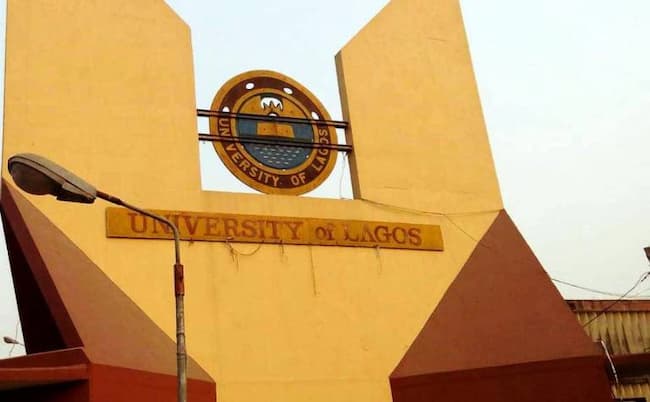
The University of Lagos (UNILAG) has raised school fees for new and returning undergraduate students.
According to a statement acquired by BizWatch Nigeria, UNILAG based the action on “prevailing economic realities.”
“After careful deliberations with its stakeholders (students, parents/guardians, staff unions, alumni among others), the University of Lagos (UNILAG) Management has reviewed the obligatory fees (mandatory charges for an academic session/year) of new and returning undergraduate students of the University,” UNILAG explained.
“The adjustment in fees which will take effect from the 1st Semester, 2023/2024 Academic Session, is in view of the prevailing economic realities and the need for the University to be able to meet its obligations to its students, staff, and municipal service providers among others.
“It is also pertinent to note that the University has not increased its obligatory fees in recent years. Management, therefore, seeks the kind understanding and support of students and other stakeholders with the assurance of its commitment towards ensuring that students get the best learning experience,” UNILAG said.
A breakdown of the fees
The mandatory charges for one academic session/year, for new undergraduate students are as follows:
S/N
Type of Charge
APPROVED CHARGES FOR COURSES WITHOUT LAB/STUDIO (N)
APPROVED CHARGES FOR COURSES WITH LAB/STUDIO (N)
1.
Tuition
Nil
Nil
2.
Registration
25,0000
25,0000
3.
Identity Card
5,000
5,000
4.
Result Verification
5,500
5,500
5.
Examinations
15,000
15,000
6.
Library Services
15,000
15,000
7.
Information Technology & Entrepreneurship
15,000
15,000
8.
Students’ Handbook
5,000
5,000
9.
Laboratory/Studio
–
49,975
10.
Accreditation
5,825
5,825
11.
Medical Services
10,000
10,000
12.
TISHIP
5,000
5,000
13.
Sports
10,000
10,000
14.
Matriculation
5,000
5,000
15.
Endowment Fund
5,000
5,000
Total
₦126,325
₦176,300
NOTES:
Toxicology Test for Screening – N10,000
Utility Charges – N20,000
The mandatory charges for one academic session/year for returning undergraduate students are as follows:
S/N
Type of Charges
APPROVED CHARGES FOR COURSES WITHOUT LAB/STUDIO (N)
APPROVED CHARGES FOR COURSES WITH LAB/STUDIO (N)
APPROVED CHARGES FOR MEDICAL STUDENTS (N)
1.
Tuition
Nil
Nil
Nil
2.
Registration
15,000
15,000
15,000
3.
Identity Card
5,000
5,000
5,000
4.
Examinations
15,000
15,000
15,000
5.
Library Services
15,000
15,000
15,000
6.
Information Technology & Entrepreneurship
15,000
15,000
15,000
7.
Students’ Handbook
–
–
–
8.
Laboratory/Studio
–
39,500
89,500
9.
Accreditation
5,750
5,750
5,750
10.
Medical Services
10,000
10,000
10,000
11.
TISHIP
5,000
5,000
5,000
12.
Sports
10,000
10,000
10,000
13.
Endowment Fund
5,000
5,000
5,000
Total
₦100,750
₦140,250
₦190,250
UNILAG also said that;
Utility Charges of N20,000 is to be paid by all undergraduate students.
Convocation Fee of N30,000 is to be paid by all final year students.
Charges for field trips where such is a mandatory requirement of the course of study will be determined as the need arises.
Amazon announced on Friday that it will invest $120 million in the construction of a satellite construction facility at NASA’s Kennedy Space Center as part of its aspirations to establish a space internet service similar to SpaceX’s Starlink.
With a constellation of more than 3,200 satellites in low Earth orbit (LEO), Jeff Bezos’ business promises that “Project Kuiper” will bring “fast, affordable broadband to unserved and underserved communities around the world.”
Steve Metayer, vice president of Kuiper Production Operations said “We have an ambitious plan to begin Project Kuiper’s full-scale production launches and early customer pilots next year, and this new facility will play a critical role in helping us deliver on that timeline.
“We are proud to partner with Space Florida to bolster the growing space industry in Florida and elsewhere across the United States, and we look forward to adding more talent to our skilled operations and manufacturing team.
These employees will play an important part in our mission to connect tens of millions of customers worldwide.””
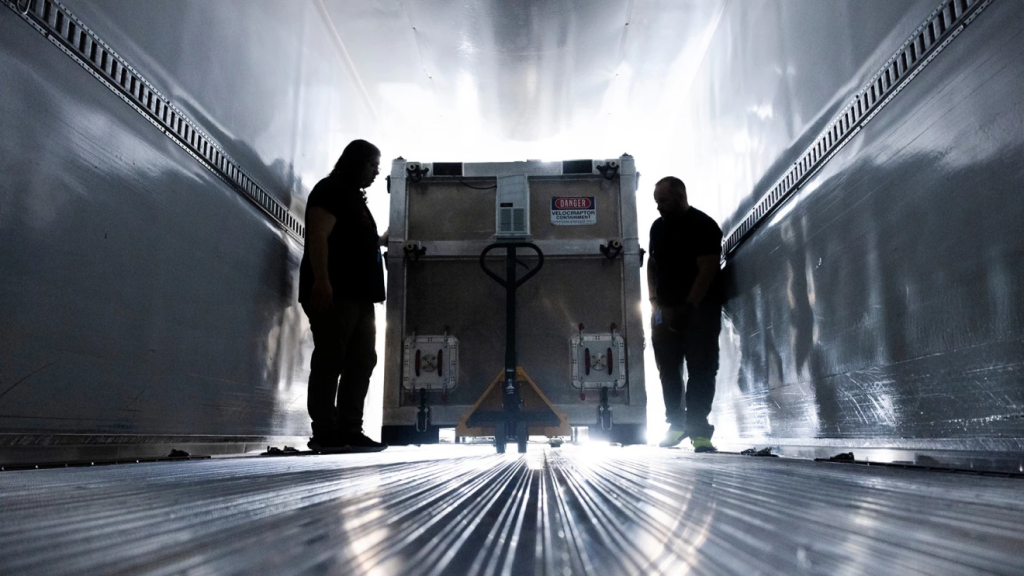
Amazon plans to open a new production plant in Kirkland, Washington, by the end of this year.
The units will subsequently be sent to Florida for final preparations and integration with rockets from Blue Origin and United Launch Alliance (ULA), both created by Bezos.
Amazon is investing $120 million in new construction and high-value equipment for the facility, and creating up to 50 new jobs on the Space Coast. These Project Kuiper facilities are critical to Amazon’s commitment to spur innovation; design and develop prototype and production satellites; and prepare our satellites for commercial deployment.
Amazon plans to launch two prototype satellites in the next months to test their network and subsystems, with commercial launches and early enterprise customer pilots beginning in 2024.
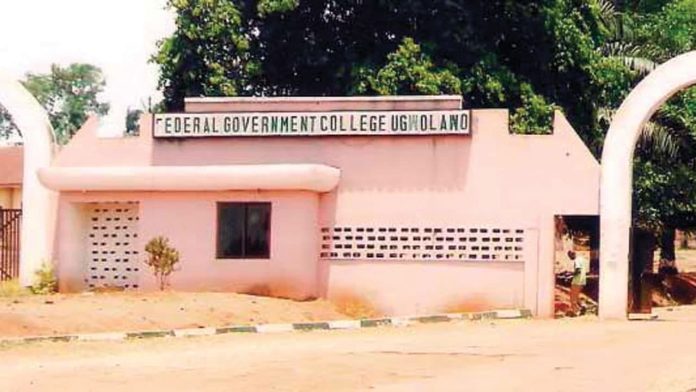
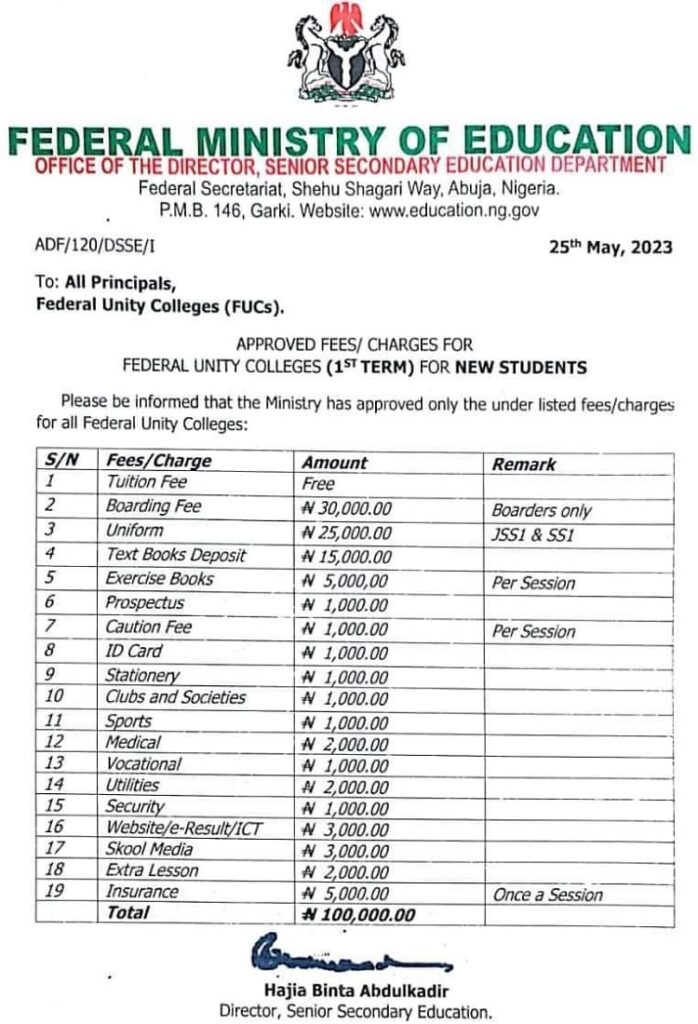
The Federal Government (FG) has raised school fees for Federal Government Colleges (FGCs), also known as Federal Unity Colleges, from ₦45,000 to ₦100,000.
This was stated in a directive from the Office of the Director of Senior Secondary Education Department of the Federal Ministry of Education, reference number ADF/120/DSSE/I, dated May 25, 2023, and sent to all principals of Federal Unity Colleges.
According to the circular titled “Approved fees/ charges for Federal Unity Colleges (1st Term) for new students,” signed by the Director of Senior Secondary Education, Hajia Binta Abdulkadir, new students are expected to pay ₦100,000 instead of ₦45,000.
The most recent fee/charge increase will impact almost every aspect and activity of the school, including tuition and boarding fees, uniforms, textbooks, deposits, exercise books, prospectus, caution fees, ID cards, stationery, clubs and societies, sports, extra lesson, insurance, and so on.
We’ve all been in that situation where we had something to say, we’ve planned it out in our head, but we’re tongue-tied when the time comes. For days afterward, we think about how it might have gone, all the witty things we could have said. It’s torture, and a complete waste of time.
In this feature, we aim to help you become more confident as we will help bring out your witty alter-ego who seem to be locked away when you seem to need them the most during interactions.
Without further ado, lets get into it.
1.Believe in yourself:
The key to building confidence and improving one’s self esteem is believing. Believing in oneself boosts confidence, as it aligns with confidence in one’s skills, knowledge, and ability. When you believe in yourself, your confidence shines through communication, making others unaware of one’s nervousness.
2. Breathing:
The breathing technique is a simple and effective way to reduce anxiety and panic. It can be done anywhere, including standing, sitting, or lying on a bed. To practice, make yourself comfortable and loosen any clothing that restricts breathing. Place your arms slightly away from your sides, legs straight, or feet flat on the floor. If sitting, place your arms on the chair arms. Place both feet flat on the ground, hip-width apart. Allow your breath to flow deep into your belly without forcing it. Try breathing in through your nose and out through your mouth, counting from 1 to 5. Repeat this process for at least 5 minutes.
3. Communication Skill:
Practice and experience significantly impact confidence. For public speaking, practice beforehand to become more comfortable. For interviews or performance reviews, have a friend run through potential questions to prepare. According to research looking into the mirror while practicing your dialogue develops your communication skills and delivery.
4. Go out of your comfort zone:
Pushing beyond one’s comfort zone leads to growth in confidence, self esteem and progress. Embracing new activities makes you very uncomfortable at first, or feel impossible to do but in the long run after consistent tryouts they become ultimately beneficial. If you adapt to trying out new activities, your brain and mind will automatically be programmed to let you go out of your comfort zone to do what you want with confidence.
5. Take cognizance of Your Body Language:
The phrase “Fake it until you make it” contains a lot of truth: presenting yourself confidently enhances confidence in speaking. Practice good posture, eye contact, smile, and pause before speaking.
6. Watch other people and Learn:
Carefully watch and learn a mentor or manager’s communication style, focus on how they hold and command attention. Pay attention to their presentation, questions, and summarization, choice of words, body language and ask for their expertise, as most people are willing to share their knowledge.
7. Always ask questions:
Always ask focused questions from people you look up to, feel or know are ahead of you, ask questions in plenary, from people with more experience in your field of work and from people who are older than you. Asking questions helps clarify understanding, engage audience, and demonstrate listening. This leads to a deeper understanding topics and clarifies next steps.
NOTE: Building one’s confidence is not a day job but it is worth it and while you are at it, Remember to stay humble as most people seem to confuse confidence with arrogance.
Taking breaks in form of vacation is very necessary especially after long periods of hard and intense work. Vacation brings joy to our hearts as this is one of the few times we have to enjoy ourselves away from jobs, people and everything we consider to be stressful.
This guide highlights seven affordable vacation destinations in Nigeria, capturing places spread across the country that offer excitement, adventure and where you get that tingling feeling of ” I want to relax and be taken care of”.
These destinations cater to budget-conscious travelers, ensuring they don’t spend all their money on holidays. Planning the right vacation can be a challenge, but these destinations are perfect for those who love adventure and don’t want to spend all their money on a single trip.
Let’s get into it…
1. Whispering Palms:
Whispering Palms, situated in Badagry, offers an exotic vacation spot with white sand and palm trees. It features a mini zoo, bicycle and boat rides, a Heritage Museum, and tastefully furnished accommodations for an affordable, romantic getaway. The resort also houses a mini zoo, and a Heritage Museum, showcasing slave monuments in Badagry.
2. Lekki Conservation Centre:
The Lekki Conservation Centre, situated in Lagos, Nigeria, is an ideal destination for animal lovers and families. It offers tours, the longest canopy walkway in Africa, and stunning wildlife views. Visitors can observe birds, monkeys, and endangered species, providing a serene escape from city life. It is Managed by the Nigerian Conservation Foundation (NCF), the centre offers a serene escape from the city’s constant buzz.
3. Tinapa Business and Leisure Resort:
Tinapa, an integrated business and leisure resort near the Calabar Free Trade Zone, offers world-class facilities for visitors to engage in business activities and leisure. The resort features a games arcade, water park, fisherman’s wharf, shopping center, lakeside hotel, movie production studio, casino, eight-screen cinema, restaurants, mini amphitheater, night club, and pubs. With 242 rooms and a lakeside hotel, Tinapa offers a perfect destination for families seeking a memorable vacation.
4. Abraka Turf & Country Club:
Abraka Turf and Country Club located in Delta offers a fun-filled adventure with stunning natural reserves and a clear emerald green river. It is perfect for family vacations. The club offers indoor and outdoor activities, gorgeous rooms, and elegant dining options. A hundred per cent relaxation and pampering service awaits you there.
5.Yankari Games Reserve and Resort, Bauchi:
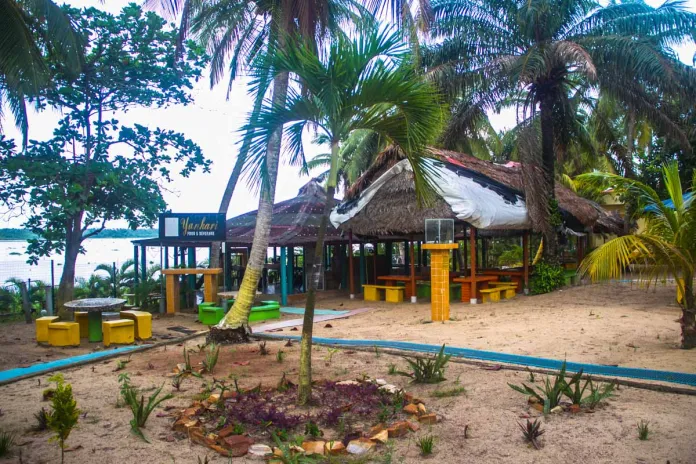
The Yankari Game Reserve in Nigeria is the oldest and most popular vacation spot, offering a diverse range of plants and animals in their natural habitat. The reserve also features caves and warm springs. Activities include wildlife viewing, a guided safari tour, and outdoor and indoor sports facilities. The reserve’s accommodation is suitable and pleasant, making it an ideal destination for travelers seeking a memorable vacation.
6. La Champagne Tropicana:
Nestled in Ibeju Lekki Lagos State, this beach resort offers a unique blend of natural environments, including a fresh water lake, mangrove forest, savannah, sandy beach, and Atlantic sea. It provides world-class accommodation, activities, and 24-hour security. The luxurious holiday homes feature cosmopolitan African decor, spa treatments, massage therapy, a fully equipped cardiovascular gym, cultural dance displays, a fresh palm wine bar, fine dining, and various activities like hiking, hunting, horse riding, canoeing, ocean water fishing, aqua aerobics, beach volleyball, and soccer.
7. Olumo Rock:
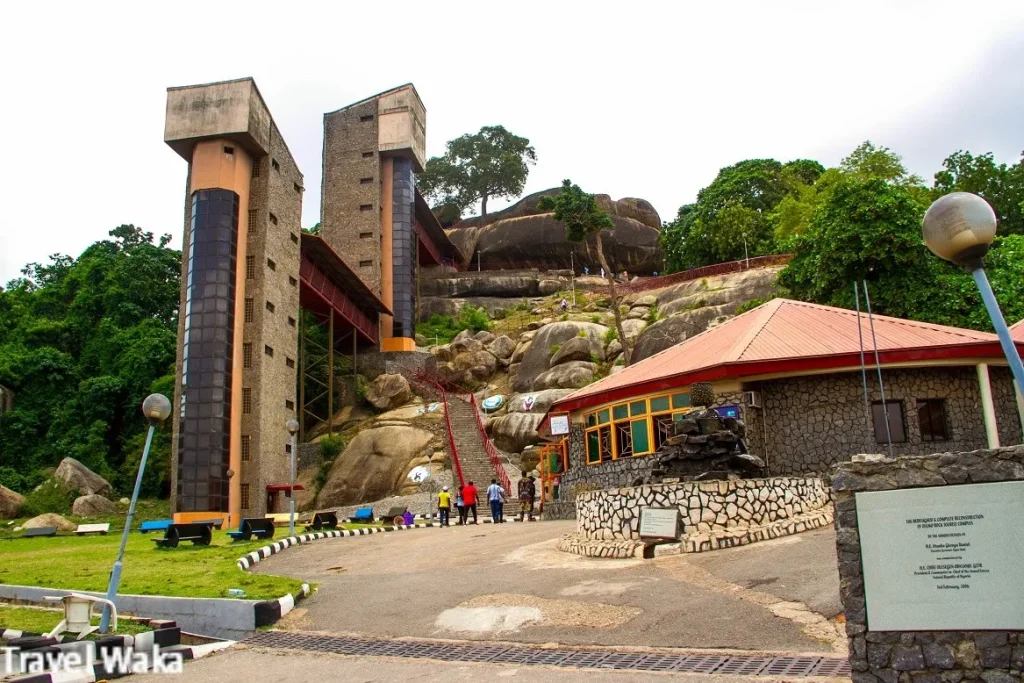
Olumo Rock, a historical monument in Abeokuta, Ogun State, offers a peaceful vacation spot with numerous caves. Located 137m above sea level, it served as a shelter for locals during wars. Visitors can enjoy tours and hikes, while the picturesque rock provides memorable memories. Accommodations are available, and Ogun people welcome visitors to their land.
Holiday festivals jogs our memory of how wonderful it is to be alive. Even if it’s one day of rest, remembrance, giving thanks or partying, everybody always look forward to the holidays. Holidays breathe new life into our busy schedules.
Read on to find out if your favorite holiday made it to the list.
1. Christmas:
Christmas is an annual festival celebrated to honor the birth of the Christian messiah (Jesus) on the 25th of December. Christmas Day is a public holiday almost everywhere in the world. One beautiful thing about Christmas is that it brings the whole family (nuclear and extended) together to celebrate while also promoting a healthy relationship and allowing them discovers new things about each other.
2. New year:
The new year holiday is always celebrated on the 1st of january worldwide. One reason why the new year holiday is loved by everyone around the world is that people get the euphoria to party on every December 31st to celebrate their past successes and say goodbye to any hardships. According to research, the new year was tied to farming and religion. When life was most prosperous in spring, that’s when many cultures felt like they had a fresh start. During their festivities, they would feast and exchange simple gifts with their neighbors to ensure the rest of their year could be merry but it is even more fun in the 21st century as people can now find different innovative ways and reasons to celebrate. Most times a few people also celebrate new year on their birthdays which signifies the beginning of a new journey, chapter or milestone.
3. Ramadan and Eid al-Fitr:
Ramadan and Eid al-Fitr are celebrated by Muslims. They are technically two separate holidays, you can’t have one without the other. According to Islam, Ramadan is known as a month of fasting while Eid al-Fitr is the festival of breaking the fast. The two holidays help Muslims connect with their religion and their loved ones.
Ramadan begins in the ninth month of the Muslim calendar at the start of the new moon. Eid al-Fitr cannot start until the new moon of the following month, which signifies that a whole month of fasting has been completed. Ramadan falls in early May and Eid al-Fitr follows in early June.
4. Easter:
Christians celebrate Easter as a day to remember Jesus’ resurrection, which the New Testament claims took place three days after his crucifixion. Easter can fall on any Sunday between March 22 and May 8 depending on whose calendar you follow because there are several sects of Christianity. Easter is the end of Lent, a 40-day fast, in both western and eastern Christianity.
Despite having religious roots, Easter has evolved into a more secular holiday in modern times, much like Christmas. The Easter Bunny is the figurehead of Easter, whereas Santa Claus is the face of Christmas. It’s customary for parents of young children to leave an Easter gift basket and say that the Easter Bunny has been to their house.
5.Chinese New Year:
The Chinese New Year is celebrated all across Asia and other Asian populations around the world. Their festivities are so beautiful and charming that plenty of other people with no Chinese heritage join in on the fun too. The Chinese New Year doesn’t have a set date because it follows the lunar calendar but the new year celebration usually take place in late January up until mid-February. This holiday also showcases the Chinese Zodiac signs. Each year is represented by an animal different from the previous year. There are many different ways people celebrate the Chinese New Year. One of the most common traditions is to set off firecrackers, another way is using food such as Dumplings, spring rolls are served to improve wealth, noodles to increase longevity, and sweet rice balls to strengthen family bonds. Even though Easter is filled with exciting events, devout families set aside time to go to church and pray. Easter is perhaps the most meaningful Christian celebration of the year since Jesus’ resurrection was a miracle.
6.Halloween:
Halloween is a holiday celebrated in various cultures worldwide due to human fascination with death. In America, it is a spooky, lighthearted, and heartfelt celebration, with costumes, candy, and scary games. In Mexico, it is Día de Los Muertos, or Day of the Dead, a three-day festival where the souls of the dead return. Catholics worldwide celebrate All Saints’ Day and All Soul’s Day, with flowers and candles in graves. Japanese people also enjoy western Halloween traditions, with the Kawasaki Halloween Parade, where over 4,000 people dress up in impressive costumes.
7. Valentine Day:
Valentine’s Day has a rich and dark history, dating back to the 14th century when Saint Valentinus was honored. English poet Chaucer connected the holiday to birds mating, and other figures like Shakespeare connected it to love. Today, Valentine’s Day is an extravagant holiday with common traditions such as giving partners sweet cards, heart-shaped chocolates, jewelry, and cute stuffed animals. Romantic dates are expected, and some restaurants require reservations months in advance. Despite the commercialization, Valentine’s Day remains a perfect time to remind partners of their love and enjoy fun with friends, even if they’re single.
The market capitalisation of the equities segment of the Nigerian Exchange (NGX) inched higher by about N95 billion on Thursday, July 20, 2023, reversing the previous day’s loss as listed companies released their second quarter of the financial year 2023 earnings results.
Some unaudited financial statements of listed companies will start popping into the Nigerian Exchange website, stock analysts said the season will boost equities investors’ positioning further.
On Thursday, FBN Holdings Plc has opened the floor for other banks to release their unaudited financial statement. Meanwhile, data from the local bourse showed that performance indicators grew by +0.27%, pushing a year-to-date return to about 25% following bargain bunting seeing in 2023.
Atlass Portfolios Limited stockbrokers said in an investor update that the market index or All-Share Index gained 173.49 basis points, or +0.27%, to close at 63,930.72. Market activity increased as mood improved. The overall volume and total value traded for the day surged by +187.01% and +79.21%, respectively, according to data from the local bourse.
Atlass Portfolios Limited, citing statistics from the Nigerian Exchange, informed investors that in 7,179 transactions, about 1,358.95 million units valued at 18,066.01 million were moved.
UBA was the most traded stock in terms of volume, accounting for 70.77% of the total volume of trades. The Pan African lender was followed by STERLINGNG (3.21%), FBNH (2.97%), JAPAULGOLD (2.65%), and UNIVINSURE (2.58%) to complete the top 5 on the volume chart.
In addition, UBA was also the most traded stock in value terms, with 73.66% of the total value of trades on the exchange. UPL topped the advancers’ chart for today with a price appreciation of 10.00 percent, trailed by EUNISELL (9.97%), ACADEMY (+9.95%), CHELLARAM (+9.91%), IKEJAHOTEL (+9.38%), and thirty-seven others.
Twenty-one stocks depreciated, where COURTVILLE was the top loser, with a price depreciation of -9.86%, to close at ₦0.64. FTNCOCOA (-9.66%), ABBEYBDS (-9.49%), MAYBAKER (-9.17%), UPDC (-8.55%), and FIDELITYBK (-3.92%) also dipped in price.
At the close of the trading session; market breadth ended the day positive, recording 42 gainers and 21 losers. Also, the market sector performance closed positive.
Trading results from NGX showed that five major market sectors were up, led by the Insurance sector (+1.19%), followed by the Banking sector (+0.59%), the Oil & Gas sector (+0.41%), the Consumer goods sector (+0.30%), and the Industrial sector (+0.01%).
Overall, equities market capitalisation advanced by ₦94.47 billion, representing a growth of +0.27%, to close at ₦34,810.91 trillion from ₦34,716.44 trillion yesterday.
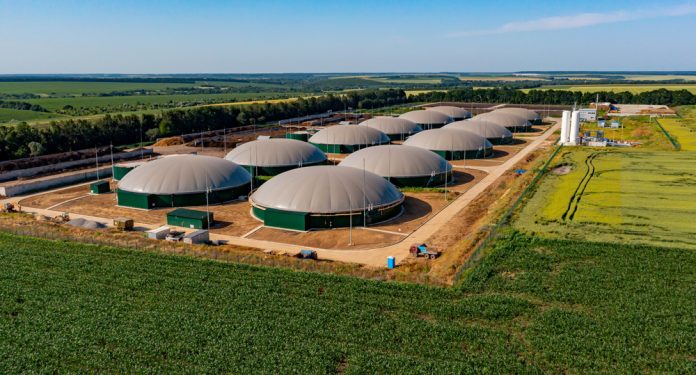
The Emerging Africa Infrastructure Fund (EAIF), a Private Infrastructure Development Group (PIDG) company, has announced that it had officially broke ground on the pioneering 46MW biomass power station in Ayebo, Côte D’Ivoire, bringing clean power and a more diverse energy mix to the region.
EAIF has provided a €35m senior loan facility to develop a 46MW biomass power plant in Côte d’Ivoire, the largest facility of its kind in West Africa. Biovea Energie will own and operate the plant when operational.
The capital injection from EAIF, alongside commitments from lead arranger Proparco, a subsidiary of the French Development Agency, will advance the Ivorian energy sector’s net zero pathway and brings a first-of-its-kind project to financial close. PIDG, through its Technical Assistance programme, will support the project’s delivery through an €8m Viability Gap Funding grant, one of the largest it has deployed.
Expected to cut 4.5 million tonnes of CO2 emissions over its 25-year lifetime, the €237m venture is a breakthrough development in a dynamic energy sector. The project is expected to drive a demonstrative effect by signifying an innovative approach to achieve Côte d’Ivoire’s goal to generate 45% of energy from renewable resources by 2030.
Biovea, owned by EDF International, Meridiam and SIFCA, has been awarded a 25-year power purchase agreement to supply the Ivorian grid. The new plant reinforces the government’s priority to expand access to electricity by 2025 – improving energy security in rural areas with an electrification rate as low as 38%.
Located in Ayebo, 100km east of the capital, Abidjan – Biovea Energie’s project will benefit 1.7 million people. Approximately 12,000 will be local out-growers, supplying up to 70% of the palm tree leaves and branches that will fuel the power plant. Integrating local farmers into the supply chain diversifies their revenue and welcomes greater income security, boosting their earnings by an expected 15%.
While supporting longevity in income generation for out-growers, the project will also deliver economic opportunities during its construction phase. Development of the plant and accompanying transmission, transport and communications infrastructure will generate 500 jobs. An additional 1,000 roles will uplift the local economy once Biovea Energie commissions the project.
Maximising impact is a critical objective for the partners of the project, which extends to circularity in the supply chain. Preventing environmental harm by promoting the reuse of 520,000 tonnes of agricultural residue that would otherwise be discarded, the project signifies the potential for more regenerative economies. Once processed to power the turbines in the plant, ashes of the residue will be provided to farmers and used as a natural fertiliser for crops – enabling the uptake of more sustainable farming practices that boost yields.
Establishing energy security in the country impacts those nearby, as the country’s evolving energy market serves as an essential exporter of electricity to six of its neighbouring countries.
Once commissioned, the plants will align with PIDG’s commitment to the UN’s Sustainable Development Goal on Access to Clean and Affordable Energy (SDG 7). They are a demonstration of the multifaceted approach needed to propel green growth on the continent and exhibit how participation across the value chain can enhance diverse levels of development.
Commenting on the transaction, Olivia Carballo from Ninety One, fund manager of the Emerging Africa Infrastructure Fund, said: “As such a crucial energy market to one of the continent’s most important production hubs, impacts of a greener economy extend beyond the borders of Côte d’Ivoire. It is emblematic of the many resources we can leverage to accelerate growth across Africa and do so inclusively while contributing to the sustainability of thousands of livelihoods in the area.”
Biovea Energie’s CFO, Franck KOBLAVI, commented: “We are delighted to close the deal as it has been highly anticipated and moves us closer to evolving the country’s energy mix and progressing an ambitious but attainable sustainability agenda. Working with best-in-class partners has ensured deep deliberation to other aspects of creating impact and will ensure quality service delivery from investment to energy production.”
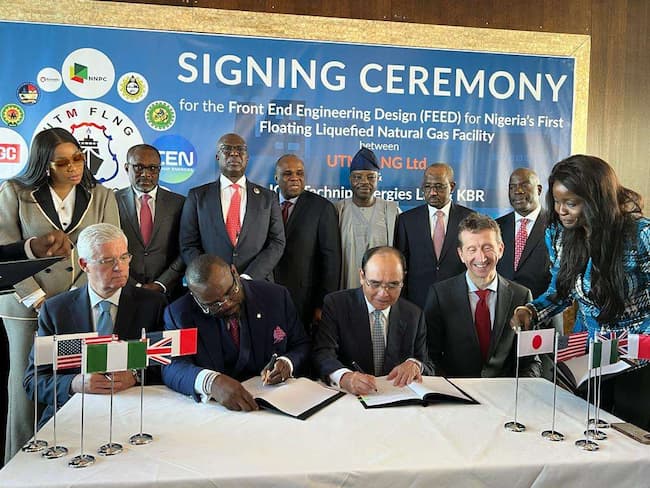
The Nigerian National Petroleum Corporation (NNPC) signed a Heads of Agreement with Nigerian oil and gas company UTM Offshore Limited for the UTM Floating Liquefied Natural Gas (FLNG) project – a planned FLNG vessel set to produce 176 million cubic feet of gas per day from the Yoho Field.
The agreement lays out the terms of the NNPC’s 20% equity contribution of the FLNG project, and represents a milestone in advancing domestic gas utilization in Nigeria.
The African Energy Chamber (AEC) believes that this is a monumental step towards scaling up access to clean cooking solutions in Africa, with the project and agreement serving as a blueprint for other resource-rich countries across the continent. With the agreement, liquefied petroleum gas (LPG) will become increasingly accessible to the Nigerian market, thereby reducing costs of the product while improving health, environmental protection and employment across the country.
The agreement showcases the NNPC’s commitment to ensuring domestic gas resources reap tangible rewards for the local population. According to NNPC Group Managing Director Mele Kyari, “No matter the amount of reserves you have underground, if you haven’t brought it up to the surface, you have done nothing. This is why we are very interested in this project and we are going to do our own part to ensure its success. Be assured that NNPC is solidly behind this project”.
Signed at the NNPC headquartered in Abuja this week, the agreement serves as the next step towards finalizing this important project. The FLNG facility is expected to be complete by 2026, and comprises a turret mooring system, gas pre-treatment modules, Liquefied Natural Gas (LNG) production modules, living quarters, self-contained power generation and utilities alongside storage and offloading. Last year, UTM Offshore inked the Front-End Engineering and Design contract with Kellogg Brown and Root; Japan Gas Corporation; and Technip Energies.
According to Julius Rone, Group Managing Director of UTM Offshore, “Final Investment Decision is expected to be taken in the fourth quarter of 2023 with planned project start up in the fourth quarter of 2026. When completed, it will produce 1.7 million tons per annum of LNG and 300,000 metric tons of LPG which will be fully dedicated to the domestic market.
“The project is estimated to provide direct employment for 3,000 Nigerians and indirect employment for an additional 4,000 people. The LPG produced will help bring down the price of cooking gas, improve the socioeconomic wellbeing of Nigerians, reduce deforestation and carbon emissions.”
Rone believes that the agreement is a testament to the company’s commitment to advancing access to clean cooking solutions in the country. With the new agreement, the partners have formalized the domestic LPG components and have additionally secured the backing of one of the country’s biggest energy firms, the national oil company NNPC.
“The agreement signed between the NNPC and UTM Offshore is a testament to the commitment of the Nigerian government to advancing access to clean cooking solutions in Africa. Nigeria has over 200 trillion cubic feet of proven gas reserves, resources which hold immense opportunities for the country and wider region.
“Rather than continue with historic trends which would see African oil and gas exported as unprocessed hydrocarbons, both the NNPC and UTM Offshore have prioritized domestic consumption. This project is a milestone development for the country and the Chamber commends the efforts being undertaken by the project partners to get it off the ground,” states NJ Ayuk, Executive Chairman of the AEC.
The Chartered Institute of Taxation of Nigeria (CITN) has made known its full support for the Federal Government’s initiative to set up the Presidential Committee on Fiscal Policy and Tax Reforms.
President, Bola Tinubu had recently signed four Executive Orders with key fiscal policy measures including the suspension of the five per cent excise tax on telecommunication services and excise duties on locally manufactured vehicles.
The President, CITN, Mr Samuel Agbeluyi, praised the initiatives and expected that the committee’s mandate would lead to improved revenue collection efficiency, promote transparency, foster a healthy tax culture, and encourage voluntary compliance.
He also advocated for open dialogue and engagement of all stakeholders in the Nigerian tax system for the reforms to be all inclusive and meaningful.
Agbeluyi confirmed CITN’s intention to participate fully as it had always done in the current reforms process.
He lauded Tinubu for appointing Mr Taiwo Oyedele, a CITN member, as the chairman of the Presidential Committee on Fiscal Policy and Tax Reforms.