The shareholders of Industrial and Medical Gases Nigeria Plc, have been rewarded with N208m as dividend for the 2022 financial year, as the management of the firm moves to reduce its costs and optimise production.
A statement from the firm stated that the cash dividend of N208m for the 2022 financial year translated to 40 kobo per ordinary share, as against a stock dividend of one for every five shares held in 2021.
The profit before tax of the manufacturer of industrial and medical gases grew by 27.56 per cent to N704m in December 2022, from N552m reported in the corresponding period in 2021, while its earnings per share stood at 90 kobo, compared to 89 kobo in the previous year.
The net profit shot up by 20.52 per cent to N448m from N372m in 2021.
Commenting on the company’s performance during its 64th Annual General Meeting in Lagos, the President, Noble Shareholders Association of Nigeria, Mathew Akinlade, commended the board, management and staff of IMG for an outstanding performance despite the issues of inflation, forex scarcity, insecurity and other challenges that impacted business in the review period.
“Gross revenue rose by 44 per cent. Although the cost of sales increased by 56 per cent, the company is generous to give a very good return of 40 kobo dividend per share out of earning per share of 90 kobo, almost an increase of 50 per cent. It means the board and management care for the shareholders,” Akinlade said.
Addressing shareholders, the acting Chairman of the firm, Aminu Ado, assured the shareholders that the company would embark on revenue-generating capital expenditure to boost its earnings in 2023.
He said, “The year 2022 was a challenging but successful year for us. Our superior performance was made possible by the collective efforts of all our stakeholders. In the year 2023, your board will continue to support management’s drive on aggressive marketing of its products, improvement service delivery, reduction of overheads, developing new markets and introduction of new and innovative products. These activities, we believe, will back-up management’s drive to sustain and improve shareholder value in 2023.”
The Managing Director and Chief Executive Officer, Ayodeji Oseni, explained that some of the key drivers of the impressive performance were the implementation of strategic business and other initiatives to cut costs and improve performance.
“We place a high premium on strategic business development initiatives and we are a customer-focused organisation. The adoption of a deliberate cost reduction policy and focused improvements in our processes is to ensure that plant capacity utilisation plays a major role in our performance,” said Oseni.
Meanwhile, some shareholders have urged the company to ensure that it puts in place a strategy to cope with the new policies of the Federal Government.
The company rebranded in 2021 from BOC Gases Nig. Plc
The group operating expenses of Ecobank Transnational Incorporated increased to $563m in the H1 of 2023, representing an 11 per cent increase when compared to figures recorded of the same period in 2022.
The bank made this known in its half-year financial report released on Thursday.
Ecobank said its “group operating expenses for the first half of 2023 was $563m, increasing by 11 percent or 27 percent at constant currency. The higher operating expenses in the half year were driven by a mix of inflationary-driven costs and increased staff compensation in some of our markets in line with inflationary trends.
“Key drivers of the expense increase were costs associated with the card business, insurance, IT licenses and related technical fees, and other administrative expenses. However, the rise in operating expenses was offset by higher revenues helping drive an improvement in the cost-to-income ratio to 54.3 percent compared with 56 percent in the prior year.
In terms of revenue, the group reported net revenue of $1,037m, increasing by 14 percent or 38 percent at constant currency.
The net revenue increase was driven by the net impact of higher interest rates on net interest incomes across markets, particularly in the Anglophone West Africa and Central, East, and Southern Africa regions, modest growth in interest-earnings assets, higher fees on cash management and card transactions and episodic income from volatile currency movements in some of our markets.
Its net interest income generated in the first six months of 2023 was $547m, increasing by 11 percent or 34 percent at constant currency, and the net interest margin was 4.9 percent, compared with a net interest income of $493m and a net interest margin of 4.7 percent in the prior-year period.
The increase in net interest income was primarily driven by the net impact of higher market rates on interest earned on loans and investment securities, particularly in the AWA and CESA regions, partially offset by an increase in interest paid on deposits and borrowed funds, especially in Nigeria.
Regarding its responsibility to investors, the group profits available to shareholders rose to $161m for the first six months of 2023 compared with $130m during the same period in 2022. The 23 percent increase in attributable profits was driven by solid revenue performance across both net interest income and non-interest revenue, positive operating leverage, and stable credit quality.
Speaking on its results, the Chief Executive Officer, Ecobank Group, Jeremy Awori, said, “Our results for the first six months of 2023 demonstrate the benefits of our diversified business model, resilient balance sheet, and our commitment to serving our customers. Profit before tax increased by 18 percent to $308m and by 67 percent if you exclude foreign currency translation effects.
“Net revenues were up 14 percent to $1,037m, or 38 percent in constant currency, and we delivered a return on tangible equity of 27 percent. We achieved these results despite continued challenging macroeconomic conditions in the second quarter, with significant weaknesses in African currencies, high consumer prices, and tepid economic growth.”
Awori added that the group saw opportunities to build stronger and better customer relationships in its operations
President Bola Tinubu’s ministerial list has been submitted for confirmation by lawmakers on Thursday, July 27, 2023.
BizWatch Nigeria had reported that Senate President, Godswill Akpabio unveiled the 28-man ministerial list on Thursday.
The nominees include former Governors, economists, health experts, lawyers, and close allies of President Tinubu.
Below are the profiles of the nominees in no particular order
Amb. Yusuf Maitama Tuggar CON
Amb. Tuggar, born 12 March 1967 was appointed the Nigerian Ambassador to Germany by President Muhammadu Buhari.
He was a member of the Nigerian House of Representatives from 2007 to 2011 representing Gamawa; and he ran twice for Governor of Bauchi State.
Tuggar represented Gamawa from Bauchi State in the Nigerian House of Representatives from 2007 to 2011.
Arch. Ahmed Dangiwa
Before taking over as the Managing Director/Chief Executive Officer of the Federal Mortgage Bank of Nigeria, Dangiwa, an architect, had been managing partner of AM Design Consults, an architectural and real estate development consultancy firm, since 1996.
Dangiwa had his first and second degrees in architecture from Ahmadu Bello University, Zaria, where he also earned an MBA. He is an alumnus of the prestigious Wharton University Pennsylvania, U.S.A. and has attended numerous training courses.
Barr. Hannatu Musawa
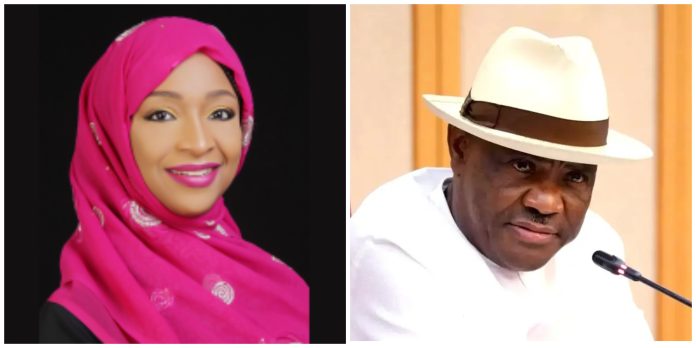
Hannatu Musawa is a lawyer, politician and author. She was the deputy spokesperson and Deputy Director Public Affairs of the All progressives congress (APC).
She was also the secretary screening committee of the APC for the presidential aspirants.
Musawa hails from Katsina State while her father is a veteran politician Alhaji Musa Musawa.
She graduated with a degree in Law from the University of Buckingham, UK. She has a postgraduate Master’s degree in the Legal aspects of Marine Affairs from the University of Cardiff wales. She also has a Master’s degree in Oil & gas from the University of Aberdeen.
Chief Uche Nnaji
Chief Uche Nnaji was the governorship candidate of the All Progressive Congress in Enugu State.
Nnaji hails from Akpugo in Nkanu West Local Government Area of the state.
The guber candidate came to the limelight in 1999 when he won the senatorial ticket of the then Alliance for Democracy, AD. He was later to step down for Chief Jim Nwobodo, who was eventually elected senator for the senatorial district.
Uche Nnaji is a brother to Hon Nnoli Nnaji of Nkanu East and West Federal Constituency in the House of Representatives.
Dr. Betta Edu
Dr. Edu, born on 27th of October 1986, hails from Ibalebo village in Abi local government Area, Cross River State.
Betta completed her secondary education at Federal Government Girls College, Calabar, she is a graduate of medicine and surgery from the University of Calabar.
She is a Harvard certified, Fellow of the Royal Society for Public Health, United Kingdom, and untill recently, the Cross River State Commissioner for Health and National Chairman of Nigeria Health Commissioners Forum.
In 2022, she emerged as the youngest female to become the National Women Leader of the All Progressives Congress.
Dr. Dorris Aniche Uzoka
Dr. (Mrs) Doris Uzoka-Anite was a former Commissioner for Finance and Coordinating Economy, Imo State.
She was also a former General Manager of Zenith Bank Plc. She hails from Oguta LGA of Imo State.
Ex-Governor David Umahi
Umahi was a two-term Governor of Ebonyi State between 2015 and 2023.
The former Governor participated in the APC presidential primaries where he polled 38 votes to come a distant sixth in the election won by President Bola Tinubu.
After a prolonged battle in various courts, INEC recognised Umahi as the candidate for the district, from where he was subsequently elected as a first-timer at the 10th Senate.
Ex-Governor Nyesom Wike
Nyesom Wike, the immediate past governor of Rivers State, was born December 13, 1967.
The Ikwerre-born lawyer turned politician was a two-time Executive Chairman of Obio Akpor Local Government Area from 1999 to 2007.
He obtained his Bachelor of Law from the Rivers State University of Science and Technology before proceeding to Law School in 1997.
Ex-Governor Mohammed Badaru Abubakar
Mohammed Badaru Abubakar MON, born 19 September 1962, served as governor of Jigawa State from 2015 to 2023.
He is the Chairman, Presidential Committee on Fertilizer and also the Chairman, Presidential Committee on Non oil Revenue, and he is also the owner of Talamiz group of industries.
Abubakar is a graduate of Ahmadu Bello University, Zaria where he obtained a B.Sc Accounting degree.
Badaru is also an alumnus of the National Institute of Policy and Strategic Studies (NIPSS) in Kuru
Ex-Governor Nasir El-Rufai
Nasir El-Rufai, is the immediate past Governor of Kaduna State and a founding member of the ruling APC.
He served as Minister of the Federal Capital Territory from 2003 to 2007 and played a significant role in restructuring the capital city.
Before being appointed Minister of the FCT, he was the director of the Bureau of Public Enterprises, a role he played successfully.
El-Rufai is a first-class graduate of Quantity Surveying from the Ahmadu Bello University, Zaria.
Rt. Hon. Ekperipe Ekpo
Hon. Ekpo is a renowned grassroot politician, and a former Council Chairman who was in the House of Representatives between 2007-2011.
Read Also: BREAKING: Akpabio unveils Tinubu’s 28-man ministerial nominees Ekpo who is the Director general of Akwa ibom Democratic Forum (ADF), is also a prominent chieftain of the All-Progressives Congress (APC) in his home state.
Hon Nkiru Onyejeocha
Nkeiruka Chidubem Onyejocha, born on 23rd of November 1969, is a ranking lawmaker in Federal House of Representatives, representing Isuikwuato/Umunneochi Federal Constituency of Abia State
Onyejocha was previously Executive Transition Chairman of Umunneochi Local Government Area of Abia State in 2002. In 2003 she served in the executive cabinet of Abia State as commissioner for Resource Management and Manpower Development
During the 7th assembly she was awarded the most vibrant female legislator in Nigeria by Parliamentary Staff Association of Nigeria (PASSAN).
Hon. Olubunmi Tunji Ojo
Olubunmi Tunji-Ojo, born 1st of May 1982, is is a lawmaker from the Akoko North East/Akoko North West Federal Constituency of Ondo State.
In 1999, he gained admission into Obafemi Awolowo University, Ile-Ife to study Electrical and Electronics Engineering.
In 2002, while in his third year at the Obafemi Awolowo University, he proceeded to the University of North London (now London Metropolitan University) where he studied Electronics and Communication Engineering and graduated in 2005.
He obtained a master’s degree in Digital Communication and Networking from the same institution in 2006.
He holds certifications in eighteen professional qualifications in ICT including the prestigious title of being one of the first set of certified ethical hackers from Royal Britannia IT Training Academy in the United Kingdom before he turned 24 years.
Stella Oketete
Hon. Stella Okotete holds a Bachelor of Arts degree in International Studies and Diplomacy from Benson Idahosa University. She also has a Diploma in Law from the Rivers State College of Arts and Sciences. She also holds a Master’s degree in Public Administration and Peace Studies and Conflict Resolution.
In addition to her academic qualifications, she has completed prestigious certificate programs, including the Harvard Kennedy School Certificate Program for Emerging Leaders and the Entrepreneurial Management program at the Lagos Business School.
She is an influential figure within the All Progressives Congress (APC). She was the National Women Leader of the APC Caretaker/Extra-Ordinary Convention Planning Committee (CECPC).
Okotete was also appointed as the Executive Director, Business Development, Nigeria Export-Impor (NEXIM) Bank in 2017. Between 2011 and 2015, she served as the Special Assistant and Adviser to the Executive Governor of Delta State on the Millennium Development Goals (MDGs)
Bello Muhammad Goronyo
Bello Muhammad-Goronyo was a former Commissioner for Information in Sokoto State during the tenure of Governor Aminu Tambuwal.
Muhammad-Goronyo was however sacked after decamping from the ruling Peoples Democratic Party (PDP) to the All Progressives Congress (APC).
The former Commissioner, was also the Chairman, Publicity and Media Committee of PDP Governorship Campaign Council in Sokoto State, until he decamped.
Hon. Uju Kennedy Ohanenye
Married with four children, Kennedy-Ohanenye is a businesswoman with stakes in real estate and education. Her foray into the last All Progressives Congress (APC)’s male-dominated presidential primary was, for her, a necessity.
Not intimidated by the array of male aspirants, Kennedy-Ohanenye waded in the murky waters of her party’s electoral process until she ‘smartly’ announced her withdrawal from the race at the party’s special convention, and also mobilised support for the former Lagos State governor, Asiwaju Bola Tinubu.
Dele Alake
Henry Dele Alake is the Special Adviser to President Bola Tinubu on Special Duties, Communications, and Strategy.
The Ekiti State-born politician was commissioner for Information and Strategy in Lagos State under the government of Bola Ahmed Tinubu between 1999 and 2007.
The University of Lagos Political Science graduate worked at MKO Concord Press as Editor of the National Concord from 1995 to June 1999.
Alake is a former vice President of the Nigerian Guild of Editors. He belongs to several national, regional, and international professional bodies, such as the Nigeria Union of Journalists (NUJ) and the West African Union of Journalists.
Lateef Fagbemi SAN
Lateef Fagbemi was born on June 22, 1956 in Ijagbo, Kwara State, Nigeria.
He is a Senior Advocate of Nigerian (SAN) and a Jurist who has made a significant contribution to the development of Law and Justice in Nigeria. He was called to the bar in 1984.
Olawale Edun
Olawale Edun is a seasoned financial expert with extensive experience in the banking sector.
He possesses a strong background in economics, public finance, international finance, merchant banking, and corporate finance at national and international levels.
Edun served as the Honourable Commissioner for Finance in Lagos State for two unprecedented terms (1999-2007) during Tinubu’s tenure.
He completed his Bachelor’s Degree in Economics at the University of London and earned a Master’s Degree in Economics from the University of Sussex, England. Although specific details about his early life and education are not publicly available, his expertise and accomplishments speak for themselves.
Throughout his career, Wale Edun achieved remarkable success in the financial sector nationally and internationally.
Edun is an International Trustee of the Duke of Edinburgh’s International Award Foundation and the Chairman of the Lagos Boxing Hall of Fame, a registered non-profit youth development group that runs amateur boxing in Lagos.
He is also the Chairman of the Livewell Initiative, a health sector Non-Governmental Organization (NGO), and a Trustee of Sisters Unite for Children, an NGO that helps children in need.
Adebayo Adelabu
Adebayo Adelabu, born on 28th of September 1970, is a former Deputy Governor, Operations of the Central Bank of Nigeria and 2019 Oyo State gubernatorial candidate for the All Progressives Congress.
Adelabu received a first class degree in Accounting from Obafemi Awolowo University, Ile-Ife.
He is a Fellow of the Institute of Chartered Accountants of Nigeria (ICAN), a Fellow of Chartered Institute of Bankers of Nigeria and an Associate Member of the Institute of Directors of Nigeria and the United Kingdom.
Adelabu has also taken up professional courses in various business schools, including Harvard, Stanford, Wharton, Columbia, Kelloggs, Euromoney, and the University of London.
Adebayo was appointed by former President Goodluck Ebele Jonathan in February 2014 as Deputy Governor, Operations of the Central Bank of Nigeria (CBN).
Imaan Sulaiman-Ibrahim
Imaan Sulaiman-Ibrahim was formerly the director-general of National Agency for the Prohibition of Trafficking in Persons (NAPTIP) from 1 December 2020 till 27 May 2021, when former President, Muhammadu Buhari announced a swap and she was redeployed as the Honourable Federal Commissioner of the National Commission for Refugees, Migrants, and Internally Displaced Persons.
At 19, she graduated from University of Abuja with a degree in sociology. At 21, she received two master’s degrees from Webster University, an MBA and MA.
Sulaiman-Ibrahim was born in Jos, Plateau, but she hails from Keffi, Nasarawa State.
Prof. Ali Pate
Muhammad Ali Pate CON, was born on 6th September 1968. He is a physician and a Professor of the Practice of Public Health Leadership in the Department of Global Health and Population at Harvard University.
He formerly served as the Global Director for Health, Nutrition and Population and Director of the Global Financing Facility for Women, Children and Adolescents (GFF) at the World Bank Group. Pate was also the former Minister of State for Health in Nigeria.
Pate was born in the Misau local government area of Bauchi State in Nigeria. Pate graduated from high school to enter the Ahmadu Bello University (ABU) medical school in Kaduna State, Nigeria.
He graduated from ABU and moved to Gambia where he worked in rural hospitals for a few years.
Prof. Joseph Userve
Professor Joseph Terlumun Utsev is a civil engineer and former Rector of federal polytechnic, Wanune, Tarka LGA of Benue state.
He was an associate Professor at the University of Agriculture, Makurdi.
Utsev, from Buruku LGA, was a commissioner in the Samuel Ortom government. He is Tiv, the dominant ethnic group in Benue state.
Senator Abubakar Kyari
Abubakar Kyari CON, born 15 January 1963, was the senator representing Borno North Senatorial District of Borno State at the 9th National Assembly from 2015 until his resignation in April 2022.
He is a member and the acting national chairman of the ruling Party of the All Progressives Congress.
Kyari was born in Borno State. His father was Late Brigadier Abba Kyari – Former military administrator to North Central from 1967 to 1975.
He was educated in Nigeria and United States of America. He attended Kaduna Capital School in 1974. He then proceeded to Barewa College Zaria where he obtained his WASSCE In 1979.
He attended the University of Tennessee Martin in USA where he obtained a bachelor’s degree in 1986. Thereafter in 1989, he attended Webster University St.Louis Missouri USA for his Masters in Business Administration (MBA)
Senator John Enoh
Sen. Enoh was born and raised in Agbokim Waterfall community of Cross River State.
Enoh was a Senator in 2015 representing Central Senatorial District of Cross River State in the 8th Assembly of the Senate.
He was a member of the People’s Democratic Party (PDP) up until May 2017 when he decamped to the ruling All progressive Congress (APC) and contested for governorship and lost to incumbent governor Ben Ayade.
Sani Abubakar Danladi
Sani Abubakar Danladi was former Acting Governor and Deputy Governor of Taraba State. He also served as the Senator representing Taraba North Senatorial Zone on the platform of the People’s Democratic Party before he was impeached.
He was born on May 20, 1967, in Bachama, Karim Lamido Local Government Area of Taraba State.
Danladi defected to the All Progressives Congress. It was on this platform that he contested for the governorship seat of Taraba State in 2019. He lost to Darius Ishaku of PDP.
Engineer Abubakar Momoh
Engr. Momoh hails from Etsako East LGA of Edo state. He is a Civil engineer by professional training.
Momoh was a two-time member of the House of Reps.
He dumped APC for PDP in 2019 and flew the party’s ticket in the Edo North senatorial election and lost. Thereafter, he returned to the APC.
The Nigerian Communications Commission (NCC), has stated that its proposed quality of service regulations for telecommunications companies (telcos) will introduce stricter performance standards.
Helen Obi, NCC director of the legal and regulatory services department, spoke on Tuesday in Abuja at the public inquiry of six regulatory instruments proposed by the commission.
The instruments include the draft quality of service regulations; draft guidelines on corporate governance for the communications sector; commercial satellite guidelines; numbering regulations; competition practices regulations, and draft data protection regulations.
In the draft quality of service document, NCC directed telcos to attend to customers within 30 minutes upon arrival at any of their service centres across the country.
The commission also said telcos must ensure that customers can speak to a customer care representative within five minutes when they call their helplines.
Obi said the guidelines are intended to ensure that the telecommunications industry continues to evolve and thrive.
“Quality of service is central to achieving points of user experience. The proposed amendment to the quality of service regulations are intended to introduce stricter performance, more robust monitoring mechanisms, or more transparent reporting systems,” she said.
“More importantly, these changes will also drive operators to enhance their networks and services through the efficient deployment and network optimisation processes.
“Clearly, these expectations will ultimately foster a culture of continual improvement, which is essential for the competitiveness and vibrancy of the industry.”
Obi said over the years, the Nigerian communications industry has made considerable strides, noting that the proposed regulatory instruments are designed to steer the industry towards a future that is even more vibrant, competitive, and innovative.
“They will also ensure that we continue to provide high-quality services to protect the rights of the consumers and attract investment. We recognize that these are significant changes. We are committed to ensuring that they are implemented in a manner that is frivolous and transparent,” she added.
“This public enquiry is an integral part of that process. It is a testament to our commitment to engage with all stakeholders and to make decisions that are informed and in the best interests of the Nigerian people.”
If you want to learn more about Generative AI and how to use Amazon Web Services (AWS), you’re in luck! In this post, we’ll look at the top seven low-cost AWS Generative AI courses that will help you realize the full potential of this cutting-edge technology without breaking the bank.
Amazon recently released a list of its free and low-cost AWS courses that can help its use generative AI.
Top 7 Affordable AWS Courses On Generative AI
1. Amazon CodeWhisperer – Getting Started
Amazon CodeWhisperer – Getting Started is a free, self-paced digital course that introduces learners to Amazon CodeWhisperer, an Artificial Intelligence (AI) coding companion meant to help developers get more done, faster.
Learners are taught about its features, how to set it up, and how to use it in their preferred coding programming language.
2. AWS Jam Journey – Build Using Amazon CodeWhisperer
AWS Jam Experience – Build Using Amazon CodeWhisperer is a hands-on, interactive training course designed to provide DevOps professionals hands-on experience creating with Amazon CodeWhisperer by putting them through a series of tasks in a secure, sandboxed AWS environment. This course costs $29.00 per month.
3. Generative AI Foundations
Generative AI Foundations on AWS is a technical deep dive course that gives you the conceptual fundamentals, practical advice, and hands-on guidance to pre-train, fine-tune, and deploy state-of-the-art foundation models on AWS and beyond.
This three-week course teaches data scientists and engineers how to select, train, fine-tune, and deploy Large Language Models (LLMs).
5. AWS PartnerCast – Building Generative AI on AWS
AWS PartnerCast – Building Generative AI on AWS: Key Service Features and Demos dives deep into Amazon’s generative AI services and capabilities on AWS, including Amazon Bedrock, Amazon CodeWhisperer, and Amazon SageMaker and how organization can leverage them to help their customers.
The course is free.
6. Generative AI for Executives
Amazon also included generative AI for executives in its free and affordable courses.
The tech gaint explained that Generative AI for Executives is a collection of free, brief, and easy-to-understand videos to help C-suite executives understand how generative AI can help address their business challenges and drive business growth.
7. AWS Partner: Generative AI on AWS Essentials (Business)
AWS Partner: Generative AI on AWS Essentials (Business)teaches the fundamentals of generative AI to AWS Partner client-facing professionals, analyses key customer use cases and personas, and shows how generative AI on AWS helps customers transform their businesses.
These top seven affordable AWS Generative AI courses offer an excellent opportunity for both novices and seasoned AI enthusiasts to delve into the intriguing realm of generative algorithms.
You can enhance your abilities and get started on innovative projects without breaking the bank by utilizing AWS’s strong cloud infrastructure.
The African Development Bank (AfDB) Group has received global recognition for its inaugural hybrid capital issuance, positioning the Bank as a pioneer in innovative sustainable financing.
The S&P Global Ratings assigned an AA rating to the debut transaction, the highest rating for hybrid capital. The proposed issuance would be the first ever by a multilateral development bank.
Hybrid capital will have a multiplier effect on the Bank’s financing, and allow for the issuance of additional green, social and sustainable bonds to finance projects targeting some of the continent’s most critical development challenges including food security, access to water and health services, and climate change.
According to the President of the African Development Bank Group, Dr Akinwumi Adesina, global and regional multilateral development banks are being asked to change their business models to leverage more financing at scale, to tackle climate change and accelerate development. “The African Development Bank is a pioneer in financial innovations. Our decision to issue hybrid capital will allow us to leverage more financing from capital markets to further accelerate Africa’s growth and development,” Adesina said.
According to S&P, “As far as we are aware, the African Development Bank would be the first MLI (Multilateral Lending Institution) to incorporate hybrid capital into its capital structure.” The Bank’s hybrid capital initiative has garnered global attention, including from the G20 Capital Adequacy Experts group, which has recommended that other multilateral development banks also explore hybrid capital instruments.
Hybrid capital is a combination of debt and equity, that complements rather than replaces these two sources of finance. It is an established financing instrument that is widely used by corporates, financial institutions, insurance companies, and agencies, but has not yet been used by multilateral development banks.
“This is another way to bolster an MDB capital base and optimise its balance sheet. The African Development Bank is starting a new asset class, hybrid capital, issued by AAA-rated multilateral development banks,” said the Bank’s Vice President for Finance and Chief Financial Officer, Hassatou N’Sele.
Adesina said he was delighted with this historic achievement by the African Development Bank. “We will continue to respond and lead with financial innovations, in response to the need to leverage more financing, as per the global calls for reforms of the global financial architecture,” the bank chief said.
Nigeria secured their first win at the 2023 FIFA Women’s World Cup (WWC), defeating Australia 3-2 in Brisbane, putting the co-hosts’ prospects of achieving a sixth consecutive WWC knockout stage qualifying in peril.
Nigeria’s plan to use the low block welcomed Australia to put pressure on the co-hosts, with stand-in captain Stephanie Catley getting the closest to breaking the deadlock, forcing Chiamaka Nnadozie into a superb save. After connecting with a stray corner delivery, Hayley Raso spurned a sitter at the far post, before the visitors saw a couple of opportunities of their own.
A half of end-to-end action was ultimately capped off with successive strikes at either end as the match came to life in the first minute of additional time. Any doubts regarding Australia’s ability to penetrate Nigeria was put to rest when Emily van Egmond tucked a tidy finish past Nnadozie following a swift counterattack from the left flank.
The joy inside Brisbane’s Suncorp Stadium lasted less than four minutes though, as Uchenna Kalu struck an opportunistic finish from inside the box with the final kick of the opening period to leave everything to play for after the restart.
Perhaps inspired by their equaliser, Randy Waldrum’s Super Falcons exhibited resilience and grabbed the lead after the hour mark. Just minutes after a pair of substitutions, the tide turned in favour of the Africans when Osinachi Ohale poached a header following a defensive mishap to shock the co-hosts. Substitute Asisat Oshoala’s presence proved absolutely instrumental in dictating the pace of play thereafter, as she added to Nigeria’s lead by rounding goalkeeper Mackenzie Arnold and slotting the ball into the far corner, all but sealing a first win in the tournament. Nonetheless, a consolation awaited the Matildas at the death, as Alanna Kennedy rose high to make it 3-2.
Ultimately, a Sam Kerr-less Australia couldn’t help but succumb to a spirited Nigeria side whose hopes of qualifying for the knockout rounds in consecutive WWCs remains alive. Nigeria are now on a five-match unbeaten streak, with the chance to go one better in the decisive encounter against the Republic of Ireland. Meanwhile, Tony Gustavsson’s side will feel sheepish following the defeat as they failed to win their opening two games at a WWC for the first time, ahead of a match-up with Canada next.
Bizwatch Nigeria Player of the Match: Asisat Oshoala (Nigeria)
On thursday Airtel Africa Plc reported that it lost $151m due to the co oreign exchange rates in Nigeria. This was made known in its second quarter report filed with the Nigerian Exchange Limited.
The telecom company said, “Profit after tax was negative ($151m) driven largely by a foreign exchange loss of $471m recorded in finance cost before tax and $317m after tax because of the devaluation of the Nigerian currency in the month of June 2023.
“This impact has been classified as a non-operating exceptional item.”
In June, CBN announced the unification of all segments of the Nigerian forex market.
The Central Bank of Nigeria crashed all windows into the Investors & Exporters (I&E) window as part of the Federal Government’s efforts to enhance liquidity and stability in the market and attract foreign investors into the Nigerian economy.
Meanwhile, Airtel grew its total customer base by 8.8 per cent to 143.1mn, as the penetration of mobile data and mobile money services continued to rise, driving a 22.0 per cent increase in data customers to 56.8 million and a 24.3 per cent increase in mobile money customers to 34.3 million.
After a lengthy wait for President Bola Ahmed Tinubu’s ministerial list, Femi Gbajabiamila, the President’s Chief of Staff, delivered Tinubu’s cabinet list to the Senate on Thursday afternoon.
The list was handed to Senate President Godswill Akpabio by Gbajabiamila, the immediate former Speaker of the House of Representatives.
Former Governor of Rivers State, Nyesom Wike, Ex-Governor of Ebonyi State, Dave Umahi; and presidential spokesman, Dele Alaka made the list.
BizWatch Nigeria obtained the full list which was presented to the Senate.
The management of Dangote Refinery have debunked a report published on the online platforms of some media organisations that the company employed 11,000 skilled workers from India while allegedly neglecting youths from Nigeria and other African countries.
In his response, the Group Chief Branding & Communications Officer, Anthony Chiejina said the report was written with malicious intent as it did not reflect the number of skilled Nigerians on site.
He said, the magnitude of the project requires specialized skilled workforce from all over the world and that while over 30,000 Nigerians were engaged among the skilled workforce, at the peak of construction in the Refinery complex, 6,400 Indians and 3,250 Chinese workers were among the skilled workforce.
He also said Nigerians on the project demonstrated high level of technical comeptence many hidden skills were discovered among them.
He advised the public to discountenance such malicious and twisted reports, and instead focus on the potential impact of the project on the overall economy and well-being of Nigerians as Dangote Group continues to be the leading light in employment generation.
FSD Africa Stakes $3.2 million in MFS Africa, and Frontclear
Financial Sector Deepening Africa (FSD) , a specialist development agency working to build Africa’s financial markets for sustainable development, is looking to Nigeria’s $40 billion investible funds to scale up impact.
Established in 2012 and supported by UK aid, FSD Africa, through its capital market arm, is engaging fund managers, institutional investors and government agencies in Nigeria to drive large-scale change in financial markets and support sustainable economic development.
“We develop Africa’s capital markets to increase the availability of long-term finance for economic development, to achieve a sustainable future for Africa’s people,” said Evans Osano, director, Capital Market at FSD Africa.
Osano gave the hint at the FSD Africa Capital Market Roundtable Series: Nigeria 2023 held in Lagos on Wednesday with the theme ‘Mobilising Patient Capital Via Innovative Financing Structures For Sustainable Development in Nigeria’.
Encouraging fund managers and partners to deepen participation, Osano said the country’s over $40 billion investible assets should be explored in developing the green economy as opportunities abound in infrastructure, housing, water, and power, among others.
He said environmentally friendly growth can improve access to food, services, create green jobs and boost incomes in new and existing sectors of the economy.
Osana said the transition towards carbon-neutrality and environmental sustainability will reduce the negative impacts of climate change among poor communities.
He urged fund managers to move away from traditional transitions to impact investments that will guarantee sustainable development for Nigeria.
He said: “The traditional mindset is to say, I want returns for the level of risk I am taking and that is very simple and laid back, but given that we are operating in a context, an environment, we need to start thinking about how we can generate those returns and still contributing to solving the society’s problems.”
“How can I invest money that can also create jobs? That is impact investing. And impact is at the far end of the scale and we can start that journey. That is really what I am challenging the Nigerian institutions and investors to start thinking about.”
According to him, there is no point in getting a very high return and then one retires into an environment where if one falls sick, there is no access to medical care.
Oguche Agudah, chief executive officer of Pension Fund Operators Association of Nigeria, said: “What we need to do is to look at challenges facing us as a country in different ways and use the capital that we manage to tackle them in an innovative way.
“What needs to happen is for capital to be deployed in a manner that seeks to solve some of these challenges and for that capital to be deployed adequately in a way that compensates the capital providers for their risk, compensates them for their time, and also compensates the people who manage those funds. In this way, they will be incentivised to do it again and again and again.
“We need new sustainable models. We need new products, we need new mindsets, because the problems that are ahead of us are new. We also need to work together more closely in order to ensure that we have the society that we all crave for and that Nigeria can indeed be a beacon of hope to the rest of Africa.”
FSD Africa is currently implementing its initiative in over 60 projects in 33 countries across Africa including Ethiopia, Ghana, Kenya, Morocco, Nigeria, Rwanda, Tanzania, UEMOA, Uganda, Zambia, and Zimbabwe.
In Nigeria, FSD Africa Capital Market has initiated projects like the first African green bond, first certified corporate green bond in Africa, FMDQ – green bonds, and Infracredit Nigeria – guarantee and preparation facility (NSIA).
Mark Napier, CEO of FSD Africa, said the focus of his engagement with key actors in the Nigerian financial market is to significantly boost the role of the private sector in climate finance.
Napier said efforts are ongoing to enhance regulatory reforms, structural changes, and leverage financing.
The nation’s pension industry has reached a milestone of over 10 million registered contributors as at June 2023, 19 years after the reform of the sector.
Pension fund assets also hit a record N16.76 trillion in the same month, growing by 4.1 percent from N16.10 trillion in May 2023.
Michael Oyebola, an analyst at Money Counselors, while reassessing the performance of the pension industry at the end of June, described it as a significant achievement.
“In a significant achievement for the Nigerian economy and its citizens’ financial security, the country’s Pension Fund Retirement Savings Accounts (RSA) have crossed the 10 million mark and assets under management are now N16.76 trillion.”
He said this milestone is based on the latest available data as of June 30, 2023 from the National Pension Commission (PenCom), the industry regulator.
According to him, it has taken three and half years to cross the mark and it marks an important step forward in the country’s efforts to improve retirement planning and social welfare for its workforce.
He, however, stated that the number is lower than the target of 20 million contributors which PenCom set in its 2020 vision.
The data showed a constant upward trend in the number of Retirement Savings Accounts (RSA) over the past decade.
From 4.54 million contributors, called Retirement Savings Accounts (RSA) holders in 2010, the figure rose to N6.95 million in 2015; N9.22 million in 2020 and 10.01 million at the end of the first half of 2023.
Aisha Dahir-Umar, director-general of PenCom, stated in the commission’s 2022 fourth quarter report that the significant achievement in the Nigerian pension industry would not have been possible without the right people, strategy, culture and governance structure to support delivering consistent and sustainable value to all stakeholders.
While assuring the commission’s commitment to meeting the needs of its stakeholders, she said PenCom will continue to provide best practice in pension regulation and supervision in Nigeria.
According to her, the commission has increased its efforts to ensure sustainable investment by pension funds in alternative asset classes, during the quarter under review.
Dahir-Umar said that PenCom also structured infrastructure projects that met the strict requirements of the Pension Fund Investments Regulation.
According to her, the commission is making efforts to ensure that the average annual pension fund returns for Retirement Savings Accounts (RSA) and legacy funds exceed headline inflation.
“We continued our efforts to ensure further diversification of investments in pension fund portfolio assets,” she said. “While rising inflation continues to challenge the Nigerian economy, it should be noted that efforts are being made to ensure average annual pension fund returns for RSA and legacy funds exceed headline inflation.”
Air Canada and Emirates Airlines have announced a customer service milestone in the two airlines’ strategic partnership with the move of Air Canada’s operations to Dubai International’s (DXB) flagship Terminal 3 as of July 26th. The co-location of operations in one of the world’s premier terminals will significantly improve the connecting experience for customers and underscores the benefits of the partnership between the two airlines launched in November 2022.
Customers transiting in Dubai between America on Air Canada and the Middle East, Indian subcontinent, Southeast Asia and Africa on Emirates will enjoy a seamless and expedited experience with the convenience of remaining in the same terminal.
In a statement with Emirates’ Chief Commercial Officer,Adnan Kazim said: “We are delighted to welcome Air Canada to Emirates Terminal 3 in Dubai, which marks another step forward in our strategic partnership to deliver even more value to travellers. Co-locating at T3 means Air Canada customers can enjoy a smooth connection experience when transiting in Dubai on Emirates’ global network, and those eligible can enjoy access to Emirates’ signature Business Class Lounges and other hub facilities in Dubai prior to their flight. Working closely with Air Canada, we hope to further enhance travel experiences and offer even more convenient connectivity for travellers.”
“Air Canada’s new home at Dubai International Terminal 3 is an important milestone which underscores the significance of our strategic partnership with Emirates and the importance of our flights between the UAE and Canada. We extend our sincere appreciation to both Emirates and Dubai Airports for their partnership in facilitating this move, which will greatly benefit our mutual customers,” said Mark Galardo, Executive Vice President Network & Revenue Planning at Air Canada. “In addition to Air Canada’s customers benefiting from seamless onward connections to destinations in the Middle East, Africa, Southeast Asia and the Indian subcontinent with our codeshare and frequent flyer partner Emirates, they will also enjoy an elevated experience throughout their airport journey.”
Welcoming Air Canada to Terminal 3, Majed Al Joker, Chief Operating Officer of Dubai Airports, said, “In addition to a long history of partnership, Dubai Airports and Air Canada share a common goal of consistently delivering exceptional service and exceeding guest satisfaction. This relocation will streamline operations for Air Canada, enable us to optimise our airport’s efficiency and improve the overall travel experience. Terminal 3 is a world-class facility designed to cater to the evolving needs of modern travellers, with biometric touchpoints, spacious and comfortable waiting areas, and a wide variety of dining and shopping outlets.”
The first inbound Air Canada flight landed at Terminal 3 on July 26th, with the first outbound flight scheduled to depart from Dubai to Toronto on July 27th. Dedicated Air Canada check-in and bag drop counters for Signature Class will be available in the First & Business Class Dropoff, Premium Economy and Economy will be located in the main entrance. Air Canada Signature Class customers and eligible Aeroplan Elite members (Aeroplan 50K and above) will also have access to the Emirates Business Class lounge located in Terminal 3.
Since November 2022, the carriers have expanded their codeshare relationship to 42 routes, enhanced their underlying interline agreement, developed a reciprocal loyalty partnership for customers to earn and redeem points, enhanced co-operation between their Cargo businesses and have increased capacity into their respective hubs. Air Canada has also developed a partnership with Emirates’ sister-airline, flydubai.
Emirates began its daily Boeing 777 service between Montreal and Dubai in July, which complements its expanded daily Airbus A380 schedule between Toronto and Dubai. Air Canada will be commencing its new non-stop four times weekly flights between Dubai and Vancouver on October 30, 2023 with its flagship Boeing 787 Dreamliner fleet, which will complement its daily service between Toronto and Dubai.
Aeroplan and Skywards members are able to collect and redeem points when travelling with Air Canada or Emirates.
Inclusion for All, the pro-poor advocacy platform, successfully hosted the first edition of the “Inclusion for all Dialogues” event on 26th July.
The event, which focused on “Digital ID for the Last Mile – Enabling Access to Digital ID for Rural Female Agricultural Workers,” brought together a selection of stakeholders to discuss and address the digital inclusion barriers faced by rural women in Nigeria’s agricultural value chain.
I4ALL aims to use data evidence to deepen understanding of the challenges faced by impoverished populations and collaborate with multiple stakeholders to advocate for their removal. The ultimate objective is to drive increased ownership and usage of digital financial services, amongst the most excluded groups thus reducing financial exclusion nationwide.
The event featured an esteemed line-up of panelists who lent their expertise and insights to the event including, Professor Janice Olawoye – Lead Research Consultant from the International Institute of Tropical Agriculture (IITA), Dr. Osasuyi Dirisu – Executive Director, Policy Innovation Centre (PIC), Ms. Uche Chigbo – Director Operations, National Identity Management Commission (NIMC) and Dr. Paul Oluikpe – Head, Financial Inclusion Delivery Unit, Central Bank of Nigeria. The insightful panel discussion shed light on the supply and demand side barriers to digital ID ownership for rural female agricultural workers and how they can be overcome to facilitate their active economic inclusion and participation leveraging technology.
Also in attendance were notable personalities from various State Governments including Mrs. Omotayo Adeola the SA, Trade & Investments Ekiti State Government, representing His Excellency, Governor Biodun Oyebanji of Ekiti State, Mr. Osa Bazuaye, Head of Data Agency, Edo State Government, representing His Excellency, Governor Godwin Obaseki of Edo State and Dr. Zayyad Tsiga, Executive Secretary of the Kaduna State Residents Identity Management Agency (KADRIMA).
Chinasa Collins-Ogbuo, convener and head of Inclusion for all; described the event and its relevance stating – “Our aim is to cultivate a strategic platform of cross-cutting actors with a shared goal to uncover the links that exist between income level, identity ownership, and financial inclusion in order to identify opportunities to accelerate the pace of digital financial inclusion”
To further contextualise the event, Director General of NIMC, Engr. Aliyu Aziz, delivered the keynote address, focusing on the progress made in National Identification Number (NIN) enrolment in Nigeria, the challenges faced, and the approaches in consideration to overcome them. He underscored the importance of data evidence in shaping policies and highlighted key findings from the summary study report. Engr. Aziz reiterated the persistent enrolment gender gap, stating that “Of the over 101 million registered persons to date, only 44% are females in spite of the notion that there are more women than men. Flowing from the surveys and advise from Inclusion for All at Africa Practice, NIMC has taken some actionable steps that have profound implications on the ID project.”
Zaina Sore, Head of Capacity Development at IITA presented the findings from the targeted research study on “Access to Identity, Empowerment, Livelihood, and Financial Inclusion of Rural Female Agricultural Workers and Traders in Nigeria.” She emphasised the significance of digital identity in empowering these women and transforming their livelihoods. Stating that “Access to national identification as a means for greater financial inclusion is critical for women in remote rural areas. As many of them engage in different agricultural activities and trading particularly in the informal sector, it is important that we better understand their needs and challenges to tailor the services that will lead to greater inclusion and economic empowerment.
The study, commissioned to IITA by I4ALL, was carried out in the first quarter of the year in Kano, Oyo, and Rivers States; revealing some new insights and validating pre-existing data insights from I4ALL’s analysis of the 2020 Enhancing Financial Innovation and Access (EFInA) A2F (Access to Finance) dataset. For instance, Kano State recorded higher levels of NIN ownership (77%) among the respondent groups compared to Oyo (58.1%) and Rivers (46.6%) contradicting our hypothesis of lower enrolment rates in the North. However, the research highlighted how socio-cultural norms can be used as a deliberate strategy to drive female enrolment in the North. The barriers to NIN enrolment remained consistent, from the cost of transportation to distance from enrolment centres and tedious enrolment processes.
Commenting on the findings, Chinasa Collins-Ogbuo said: “Universal access to formal identification requires an intentional focus on the most vulnerable Nigerians – likely to be poor female farmers in rural communities. Thus far, NIMC has done a great job with the momentum achieved towards ID enrolment of Nigerians, and it must be maintained. That said, reaching the last mile is the most challenging part, and specific and targeted approaches must be designed and implemented to reach them successfully and leave no one behind”.
The NIMC Identity Strategy clearly recognizes the need to ensure that excluded populations are included in the enrolment process, and this research reinforces that need, demonstrating the urgency for action. The poorest excluded populations are most often the hardest to reach and can be the most resistant to participation, but stand to gain the most from the range of government and financial services that inclusion enables. To achieve NIMC’s ambitious enrolment targets, all relevant stakeholders across public, private, and grassroots must work together to ensure that the enrolment system reaches those who need access to the services the most – the vulnerable and marginalised.
The Inclusion for All Dialogues event highlighted the importance of collective efforts in creating an inclusive and equitable society. Chinasa reinforced this, stating that, “by empowering rural female agricultural workers with digital identification, we can unlock their potential, enhance economic productivity, and drive positive change for the entire nation. I4ALL remains committed to its mission of fostering financial inclusion for all Nigerians and will continue working tirelessly with partners, stakeholders, and policymakers to address these pressing challenges.”
The Central Bank of Nigeria (CBN) has limited the amount of dollars to be transacted on the Pan-African Payment and Settlement System (PAPSS), at $200,000 per quarter by authorized dealer banks (ADB) and $20,000 per quarter for a customer.
This was made known on July 25, 2023, through a circular signed by Ozoemena Nnaji, director of trade and exchange department of the CBN.
The Pan-African Payment and Settlement System (PAPSS) is an international payment system and cross-border financial market infrastructure enabling remittance payment and trade between African countries.
The circular noted that the transactions will be settled using the CBN foreign exchange, adding that the Pan-African Payment and Settlement System (PAPSS) transactions remain trade backed.
According to the CBN, multiple applications through different ADBs are not allowed.
“For settlement of PAPSS transactions by CBN, authorised dealers shall obtain the approval of CBN for USD cover, before initiating payments on PAPSS. The request for approval shall be submitted online.
“Please note that authorised dealer banks are allowed to maintain a USD settlement account with the PAPSS settlement bank, to settle PAPSS transactions, for which CBN would not provide foreign exchange,” the circular reads.
In June 2023, PAPSS signed a memorandum of understanding (MOU) with five African multinational commercial banking groups for seamless cross-border trade payments.
The banks include Access Bank Group, Ecobank Group, KCB Group, Standard Bank Group, and UBA Group. These significant partnerships aim to revolutionise the settlement of cross-border transactions across Africa, leveraging on the vast network of subsidiaries and representative offices across major economic centres across Africa.
These MOUs were signed on June 2023, at the opening ceremony of Afreximbank’s 30th anniversary and 30th annual meetings held in Accra, Ghana.
Mike Ogbalu III, chief executive officer of PAPSS, said, “these partnerships with Access Bank Group, Ecobank Group, KCB Group, Standard Bank Group, and UBA Group mark a significant milestone in the journey toward a more integrated and efficient African banking landscape.
By embracing PAPSS’ commercial bank settlement model, these banks are helping build a robust continental platform for fostering cross-border payments, thereby paving the way for financial inclusion and substantial continental economic development.”
These MOUs will be put into effect gradually in partnership with central banks in the countries where the five group banks operate. Customers of the banks in Africa will be informed through the usual channels of communication as soon as the service becomes available in their countries. PAPSS and the banks will be working towards making this service available towards year-end.
Tek Experts, a worldwide leading technical talent solutions provider, has made known its plans to open a new Security Operations Centre (SOC) under its cybersecurity business, Cytek in Victoria Island, Lagos.
Founder of YNV Group, Yaniv Natan, said: “Nigeria has always been a strategically important market for us, so we are excited to establish a presence in Lagos. Our intercontinental network means we are in the unique position of being able to deliver genuinely seamless, 24/7, “follow the sun” cybersecurity services, all powered by Microsoft’s world-class AI technology. We are delighted to provide Nigeria’s tech, financial and business community with the confidence to expand rapidly in the knowledge they have the best cybersecurity tools at their disposal.”
Microsoft Country Manager, Nigeria, and Ghana, Ola Williams, said: “We actively seek opportunities to help clients gain easier access to our technology, which is why we’re excited that Tek is establishing their SOC on Microsoft technology. We look forward to working closely together to integrate Tek Experts’ cybersecurity expertise with our AI capability to protect businesses and organizations in Nigeria against the ever-evolving landscape of cyber threats.”
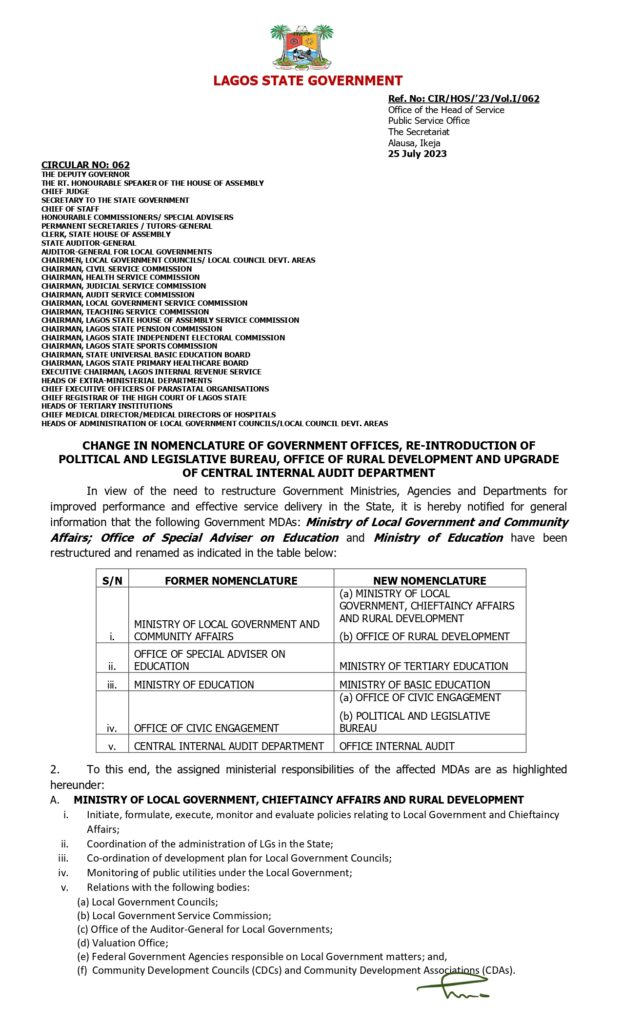
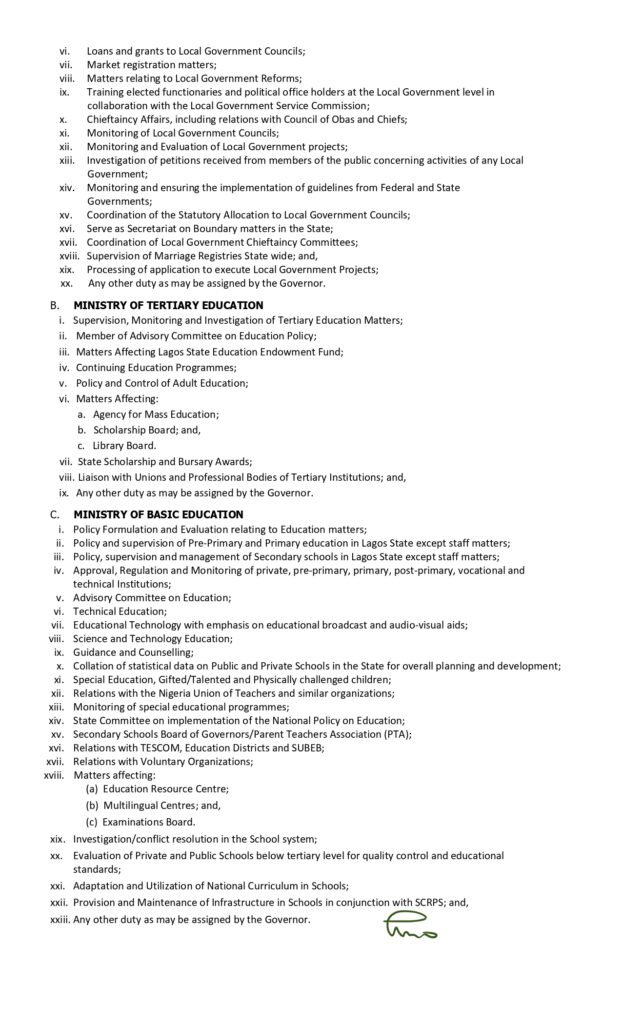
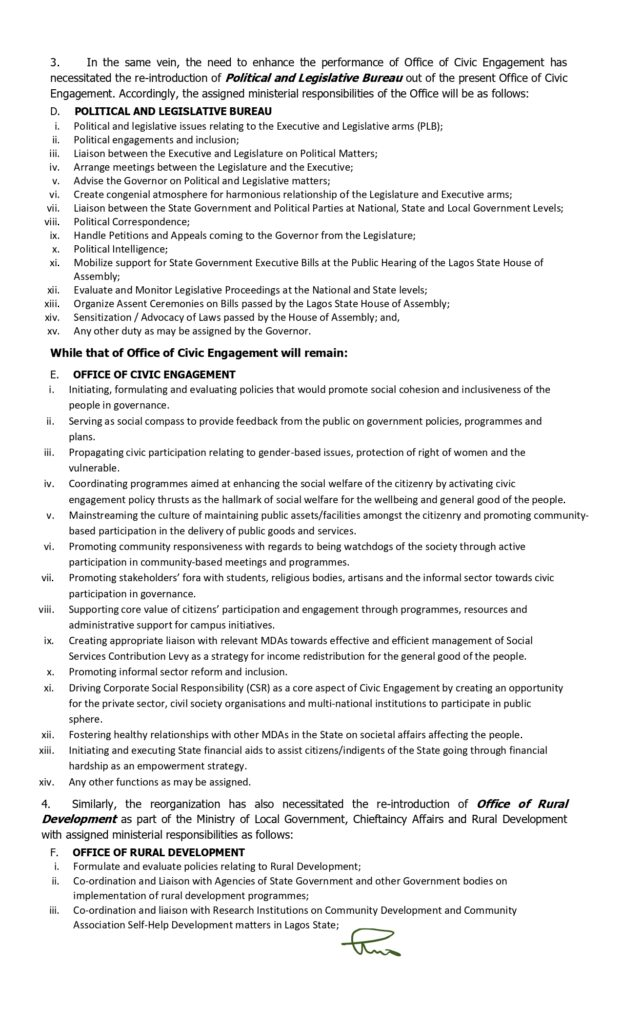
The Ministry of Local Government and Community Affairs, the Office of Special Adviser on Education, and the Ministry of Education have all been renamed and reformed by the Lagos State Government.
This was stated in a circular dated July 25, 2023 and signed by the Head of Service, Hakeem Muri-Okunola, as published by BizWatch Nigeria.
Muri-Okunola stated in the memo titled change of nomenclature of government offices, re-introduction of political and legislative bureau and office of rural development that in light of the need to restructure government’s Ministries, Departments, and Agencies (MDAs) for improved performance and effective service delivery in the state, it is hereby notified for general information that the following government MDAs: Ministry of Local Government and Community Affairs; Office of Stakeholders; Ministry of Local Government and Community Affairs; Office.
The Senate condemned the Monday sit-at-home order in the South East geopolitical zone and ordered the Federal Government (FG) to work with the Finnish Government to extradite a pro-Biafran agitator, Simon Ekpa, for prosecution.
The upper chamber on Wednesday also resolved to invite the Minister of Foreign Affairs (when appointed) and key stakeholders to conduct a comprehensive inquiry and bring other sponsors of the act to justice.
The Senate also rejected a recommendation for IPOB leader Nnamdi Kanu’s release, citing the fact that the subject was still in court.
The illegal sit-at-home order is alleged to be imposed by a faction of the banned Indigenous People of Biafra (IPOB) across five South-East states: Anambra, Enugu, Imo, Abia, and Ebonyi.
The unlawful order was issued in 2021 to press home demands for the release of IPOB leader Nnamdi Kanu, who is being held by the Department of State Services (DSS) and prosecuted on terrorism-related charges.
BizWatch Nigeria recalls that the Governor of Enugu State, Peter Mbah, stated that the Monday sit-at-home costs his state approximately ₦10 billion.
The Enugu State Government on July 24, 2023 sealed shops in key markets across the state that refused to do business in response to the Indigenous People of Biafra (IPOB) sit-at-home ultimatum.
This followed the governor’s ultimatum last week that firms in the state either open for business or risk being closed.
The operation was intended to demonstrate the government’s commitment, according to the Secretary to the State Government, Chidiebere Onyia, who led the team from the Enugu State Capital Territory Development Authority.
The Nigerian Exchange’s equities market cap fell by more than N185 billion after Ardova Plc voluntarily exited the local exchange, in addition to profit-taking in MTNN (-3.4%).
In terms of market performance, the development interrupted the market’s positive trajectory for four consecutive trading days. As a result, the market indicators fell by 0.46%.
Atlass Portfolios Limited stated in a market update that the gap between the two performance indicators was mostly attributable to ARDOVA’s unilateral delisting from the exchange of its full 1,310,629,267 issued share capital.
Despite this, year-to-date stock market returns remain positive at +28.17%, despite investors’ wealth falling by about 185 billion. Data from the Nigerian Exchange showed that the market index (All-Share Index) decreased by 301.65 basis points, representing a drop of -0.46% to close at 65,687.16.
Trading records showed that market activities were down, as the total volume and total value traded for the day dropped by -9.59% and -3.77% respectively. Approximately 500.43 million units valued at ₦7,143.90 million were transacted in 7,345 deals.
UBA was the most traded stock in terms of volume, accounting for 11.66% of the total volume of trades. ACCESSCORP (11.04%), UNIVINSURE (6.53%), FBNH (5.60%), and ZENITHBANK (5.29%) completes the top 5 on the volume chart.
ACCESSCORP was the most traded stock in value terms, with 22.86% of the total value of trades on the exchange. COURTVILLE, NCR and SEPLAT topped the advancers’ chart for today with a price appreciation of 10.00 per cent each,
The stocks were trailed by FTNCOCOA (9.92%), JAPAULGOLD (+9.90%), LIVESTOCK (+9.90%), LEARNAFRCA (+9.76%), and twenty-four others. Twenty-four stocks depreciated, where CADBURY and UNILEVER were the top losers, with a price depreciation of -10.00% each, to close at ₦15.30 and ₦15.75.
MULTIVERSE (-9.97%), CHAMPION (-7.45%), CHIPLC (-6.42%), NGXGROUP (-5.19%), and FBNH (-4.87%) also dipped in price. With swings, the market breadth closed positive, recording 31 gainers and 24 losers.
Nonetheless, the market sector performance closed positive, as three of the five major market sectors were up, led by the Oil & Gas sector (+4.91%), followed by the Consumer goods sector (+1.85%), and Insurance sector (+1.02%), while the Banking and Industrial sectors were down by -0.60% and -0.02% accordingly.
Overall, equities market capitalisation lost ₦185.13 billion to close at ₦35,745.92 trillion from ₦35,931.05 trillion yesterday. #NGX Market Cap Slides N185bn as Ardova Plc Delists
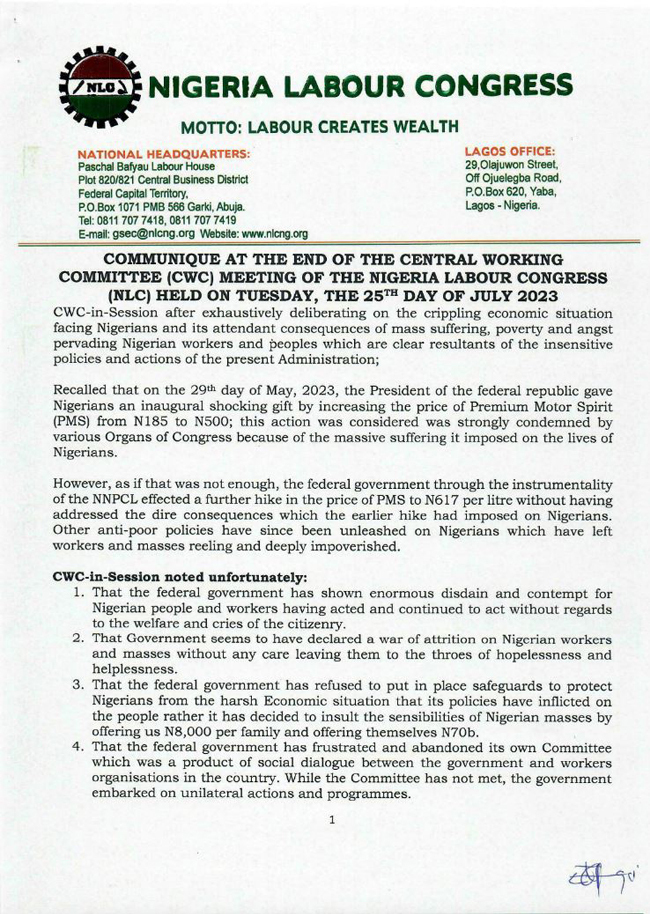
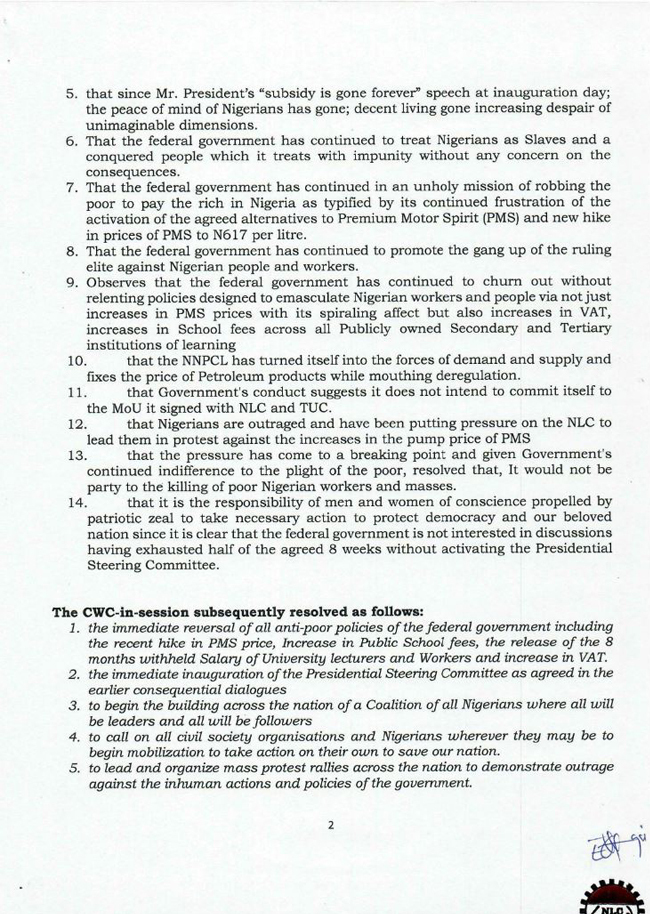
The Nigeria Labour Congress (NLC) has given President Bola Tinubu’s administration seven days to rescind “all anti-poor” measures, including the increase in the price of Premium Motor Spirit (PMS), also known as fuel.
In a statement issued at the conclusion of its Central Working Committee (CWC) meeting, the labor union threatened to go on a total and indefinite strike on Wednesday, August 2, 2023, if the Federal Government did not act.
NLC President Joe Ajaero and NLC General Secretary Emmanuel Ugboaja both signed the communique.
According to the NLC, the Federal Government has displayed immense scorn and contempt for the Nigerian people, declaring a war of attrition against Nigerian workers and masses.
The labor union stated that “the peace of mind of Nigerians has gone” after the President’s “subsidy is gone forever” remark on inauguration day on May 29, 2023.
It said the “government has continued to treat Nigerians as slaves and a conquered people which it treats with impunity without any concern on the consequences”.
“That the Federal Government has continued in an unholy mission of robbing the poor to pay the rich in Nigeria as typified by its continued frustration of the activation of the agreed alternatives to Premium Motor Spirit (PMS) and new hike in prices of PMS to N617 per litre,” the communique partly read.
“That the NNPCL (Nigerian National Petroleum Company Limited), has turned itself into the forces of demand and supply and fixes the price of Petroleum products while mouthing deregulation.
“That Government’s conduct suggests it does not intend to commit itself to the MoU it signed with NLC and TUC (Trade Union Congress).
Following that, the NLC demanded “the immediate reversal of all federal government anti-poor policies, including the recent hike in PMS prices, increase in public school fees, and the release of the eight months withheld salary of university lecturers and workers.”
Others include the Presidential Steering Committee’s immediate inauguration.
The union issued a seven-day ultimatum to “the Federal Government to meet all of our demands and to embark on a nationwide action beginning Wednesday, August 2nd, 2023 to compel the government to reverse its anti-poor and anti-worker policies.”
The NLC promised to lead and organize nationwide protest rallies to express displeasure at the government’s “inhuman actions and policies.”