







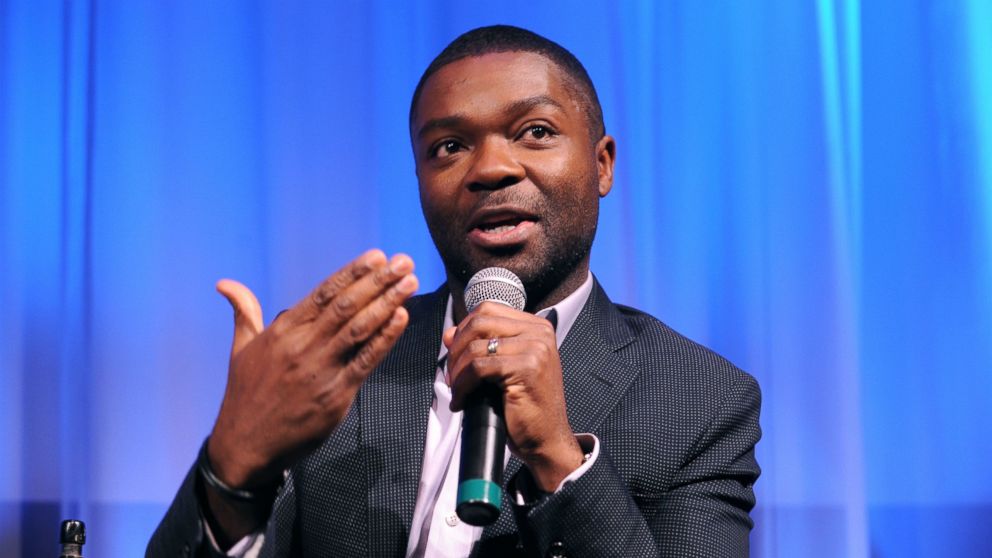
British Nigerian filmmaker David Oyelowo has proposed a 10 million dollar investment plan to strengthen Nollywood’s global competitiveness. He announced the strategy at the 14th Africa International Film Festival in Lagos, saying the industry has the talent to reach international markets but needs structured funding and stronger accountability.
Oyelowo said the model would support ten filmmakers with one million dollars each for script development and production. He explained that five million dollars could come from institutions such as Afreximbank while the remaining half would come from private investors. According to him, the goal is to create high quality films backed by reliable distribution through companies such as FilmOne and MultiChoice.
He told the audience that Nollywood is close to global breakout but must present bankable projects. He offered to guide script quality through his Hollywood experience and urged financiers to adopt clear structures that ensure funds reach real creators.
His proposal comes at a time of renewed interest by lenders in the creative industry. Afreximbank launched a 200 million dollar Nigerian facility in 2024 to support production and film exports under its two billion dollar CANEX initiative. The bank followed up in 2025 with a one billion dollar film fund tied to infrastructure and distribution. Other deals, including its equity partnership with D’Banj’s platform, have targeted talent development.
The federal government’s five billion naira Creative Fund through Providus Bank has also continued disbursements. Four producers received one point five billion naira in 2024. More projects are being screened this year. Officials say the fund targets viable films with commercial potential.
Despite these initiatives, filmmakers say execution has remained slow. Oyelowo noted that earlier talks with Afreximbank did not progress. Another director on the AFRIFF panel said many funds are announced but rarely accessible. They argued that this weakens confidence among producers who release more than two thousand films yearly.
Oyelowo’s proposal focuses on reliable distribution as a safeguard for investors. He said strong channels would reduce risk and mirror the strategy behind the global spread of Korean films and dramas. He added that Hollywood is paying closer attention to African stories and that Nigeria must position itself for that demand.
Analysts say a structured blend of institutional funding and private capital could unlock more value for the industry. The Central Bank’s creative sector loans announced this year have also increased interest among investors. If executed, Oyelowo’s plan could strengthen Nigeria’s position as a creative hub and support long term growth for the film sector.