





KEY POINTS
- Brent crude held below $96 a barrel while US West Texas Intermediate traded near $89.
- Fresh attacks involving Iran and reports of tanker incidents in the Gulf raised concerns about oil supply disruptions.
- The International Energy Agency (IEA) said global oil supply exceeded demand for the first time since the war began.
- The agency expects a supply surplus of about two million barrels per day this quarter.
MAIN STORY
Oil prices steadied on Monday after falling for two consecutive weeks, as renewed attacks in the Middle East offset signs of increasing global oil supply.
Brent crude traded below $96 a barrel after losing more than two per cent last week, while West Texas Intermediate (WTI), the US benchmark, hovered around $89.
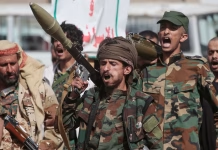
The latest security concerns followed an Iranian drone attack claim involving a US military facility in Bahrain on Sunday. Iran’s Islamic Revolutionary Guard Corps (IRGC) said it had launched drones at the facility, marking the first reported Iranian strike on a Persian Gulf state in several weeks.
Iranian state television also reported that five vessels had struck mines and caught fire over the preceding 48 hours, although it did not identify the vessels.
The United Kingdom Maritime Trade Operations (UKMTO) said Indian shipping authorities had reported an attack on a tanker in the Gulf. Its crew were safe, but the extent of the damage was unknown.
The security developments came as oil prices continued to retreat from earlier highs. The International Energy Agency (IEA) said last week that global oil supply had exceeded demand for the first time since the war began.
The agency estimated that the market would record a surplus of approximately two million barrels per day in the current quarter, reflecting a recovery in energy flows through the still-contested Strait of Hormuz.
Iranian Parliament Speaker Mohammad Bagher Ghalibaf said the conflict could end if Washington accepted Tehran’s “logical conditions”.
US President Donald Trump has said further attacks against Iran may not be necessary, although he maintained that the United States remained “locked and loaded”.
Meanwhile, the USS Theodore Roosevelt aircraft carrier arrived in the US Central Command area of responsibility on Sunday, according to an Axios reporter citing a US official.
The report said Washington now had three aircraft carrier strike groups in the region.
The war began in February when the United States and Israel launched a joint attack on Iran over its nuclear programme.
THE ISSUES
Oil prices are being pulled in two directions. On one side, military attacks and threats to shipping raise the risk that crude supplies could be disrupted. On the other, the growing availability of oil in the physical market is putting downward pressure on prices.
The Strait of Hormuz is central to this balance. It is a major route for crude oil shipments from Gulf producers to international markets. When vessels face attacks or restrictions in the area, buyers become concerned that supplies may not reach them on time. This risk can push prices higher even before an actual shortage occurs.
However, the IEA’s reported surplus suggests that available supply is currently exceeding demand. If that surplus persists, it could limit how much prices rise in response to geopolitical tensions.
For Nigeria, movements in international crude prices matter because oil exports are an important source of foreign exchange and government revenue. Higher prices can improve earnings when production and export volumes are maintained. Lower prices can reduce those earnings.
The effect on domestic fuel prices is not automatic, as exchange rates, refining costs, transportation and distribution also influence what consumers pay.
WHAT’S BEING SAID
“The war could end if Washington accepted Tehran’s logical conditions.”
- Mohammad Bagher Ghalibaf, Iranian Parliament Speaker.
WHAT’S NEXT
The direction of oil prices will depend partly on whether the conflict escalates and whether shipping through the Strait of Hormuz remains disrupted.
The arrival of another US aircraft carrier strike group adds to the military presence in the region, while Iran’s statement that a diplomatic settlement remains possible leaves room for negotiations.
Traders will also watch whether the reported supply surplus continues and whether global demand absorbs the additional oil available in the market.
BOTTOM LINE
Oil prices are facing competing pressures: renewed security threats in the Middle East and a global supply surplus. Unless attacks cause significant and sustained disruption to oil shipments, the availability of additional crude could continue to limit price increases.
Bloomberg