






Global oil prices edged lower on Monday as market sentiment shifted following signs of de-escalation in Middle East tensions, particularly after confirmation that diplomatic engagements between the United States and Iran would continue.
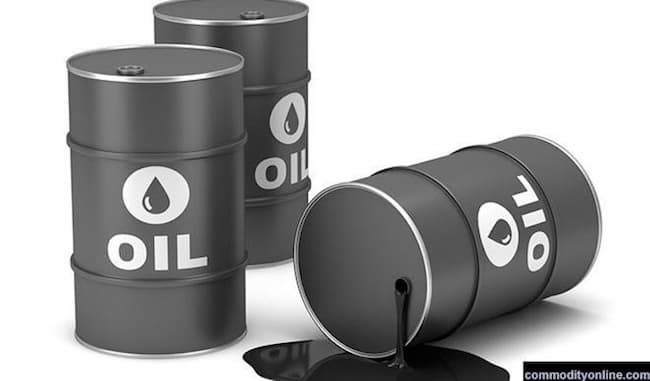
Brent crude slipped to $67.09 per barrel, representing a 0.8% decline from the previous session’s close of $67.66. Similarly, US benchmark West Texas Intermediate (WTI) crude fell by 0.8% to trade at $62.76 per barrel, down from $63.31.
The pullback followed comments from US President Donald Trump, who described the indirect talks held between Washington and Tehran in Muscat, Oman, as constructive. According to Trump, Iran had shown a strong inclination toward reaching a fresh agreement over its nuclear programme.
Speaking on the outcome of the discussions, Trump said the talks with Iran had progressed positively, adding that Tehran appeared eager to secure a deal. He also referenced ongoing diplomatic engagements involving Russia and Ukraine, portraying the broader geopolitical environment as showing signs of improvement.
Despite the optimistic tone, Trump noted that a substantial US naval presence had been deployed to the region in response to Iran, stating that the force would arrive shortly as developments continued to unfold.
Iranian President Masoud Pezeshkian separately acknowledged the talks, describing them as a meaningful step forward in diplomatic engagement between the two countries.
These developments helped reduce market fears around potential supply disruptions involving Iran, one of the world’s major oil producers situated near the Strait of Hormuz — a critical chokepoint for global crude shipments. The easing of perceived geopolitical risk weighed on crude prices.
However, Trump simultaneously signed an executive order authorising the United States to impose additional trade penalties on countries that maintain commercial ties with Iran. The order allows for an extra 25% tariff on imports from nations that directly or indirectly purchase goods or services from Tehran.
In parallel developments, US monetary policy signals also influenced market dynamics. Federal Reserve Vice Chair Philip Jefferson said he remained cautiously optimistic about the US economic outlook, noting that productivity gains could assist in steering inflation back toward the central bank’s target.
San Francisco Federal Reserve President Mary Daly echoed a dovish tone, suggesting that one or two further interest rate cuts might be necessary to support a softening labour market.
Following these comments, yields on the US 10-year Treasury note climbed by two basis points to 4.23%, while the dollar index remained steady at 97.6. Expectations of continued monetary easing by the Federal Reserve helped cushion the downside in oil prices.