




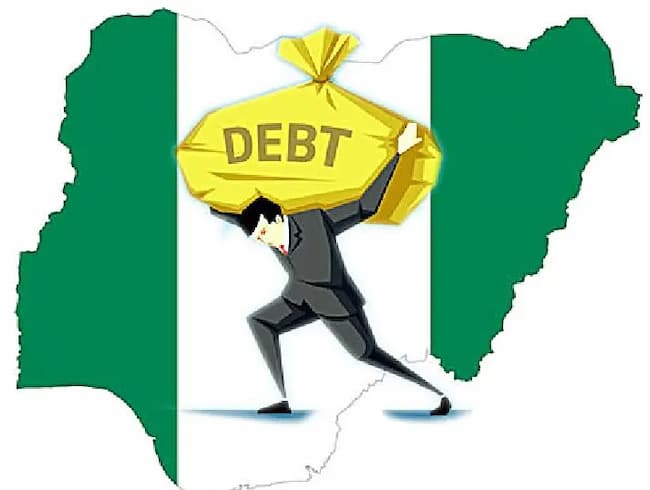
Fresh findings from BudgIT’s 2025 State of States publication reveal that Nigerian states collectively owe contractors and retirees a total of N1.06tn, even though the federation witnessed unprecedented revenue inflows in 2024.
The report shows that unpaid contractor bills reached N434.87bn, while outstanding pension and gratuity obligations hit N626.81bn, highlighting ongoing fiscal pressures across state governments despite surging federal allocations and rising internally generated revenue.
According to the data, 30 states recorded outstanding obligations to either retirees or contractors during the 2024 fiscal year. Of these, 26 states owed contractors, while 27 states were behind on pensions and gratuities.
Only Borno, Kano, and Nasarawa were listed as having cleared both categories, making them the three states without any outstanding liabilities in 2024. At the top of the debt chart was Kaduna State, which accumulated N139.36bn in unpaid contractor bills and pension arrears—the highest among all states.
Kaduna’s total includes N56.07bn owed to contractors and N83.29bn in pending pension and gratuity payments. Ogun State ranked second with N107.18bn, consisting of N81.54bn in pension arrears and N25.64bn owed to contractors.
Benue State, in third place, reported N99.68bn in combined arrears, split across N27.42bn owed to contractors and N72.25bn in pension obligations. Edo State followed with N95.46bn, driven by N37.54bn in contractor bills and N57.92bn in unpaid pension liabilities.
Close behind was Enugu State, posting a total of N90.18bn, made up of N54bn in contractor debts and N36.18bn in pension arrears. Other states with significant backlogs include Imo (N57.25bn), Akwa Ibom (N43.71bn), Delta (N42.35bn), Oyo (N41.97bn), and Plateau (N40.98bn)—with Plateau owing N16.03bn to contractors and N24.95bn to pensioners.
Collectively, these top 10 states are responsible for nearly half of the national arrears burden.
At the lower end, Kano and Nasarawa maintained clean records with no arrears, while Lagos State, with only N48.74m owed to contractors and no pension debts, ranked as the third-lowest. Other states with minimal liabilities include Ebonyi (N88.89m), Borno (N1.10bn), Jigawa (N1.79bn), and Katsina (N2.22bn).
The list continues with Yobe (N3.99bn), Ondo (N4.77bn), and Kogi (N6.52bn).
BudgIT noted that the analysis covered 35 states, excluding Rivers State, whose audited accounts were unavailable following its 2024 budget nullification amid political tensions.
The report explained:
“Due to the situation in Rivers State, the government did not publish an audited financial statement for 2024. Additionally, with the Federal High Court voiding the state’s 2024 budget, any reporting under that budget is considered invalid. Therefore, Rivers State was exempted from this edition.”
Beyond contractor and pension liabilities, states also owe N33.74bn in salary claims, N62.33bn in judgment debts, and N73.25bn in other financial obligations.
BudgIT cautioned that if left unresolved, these accumulated debts could damage fiscal stability at the state level, stall infrastructure projects, and erode trust—especially among retirees reliant on timely pension payments.
Despite the financial strain, states received record FAAC allocations in 2024, rising to N11.38tn, up from N5.4tn in 2023, largely due to subsidy removal and exchange-rate reforms. However, the report noted that the failure to clear arrears stemmed from states prioritizing recurrent expenditure over debt settlement, alongside rising personnel costs and increasing political commitments.