






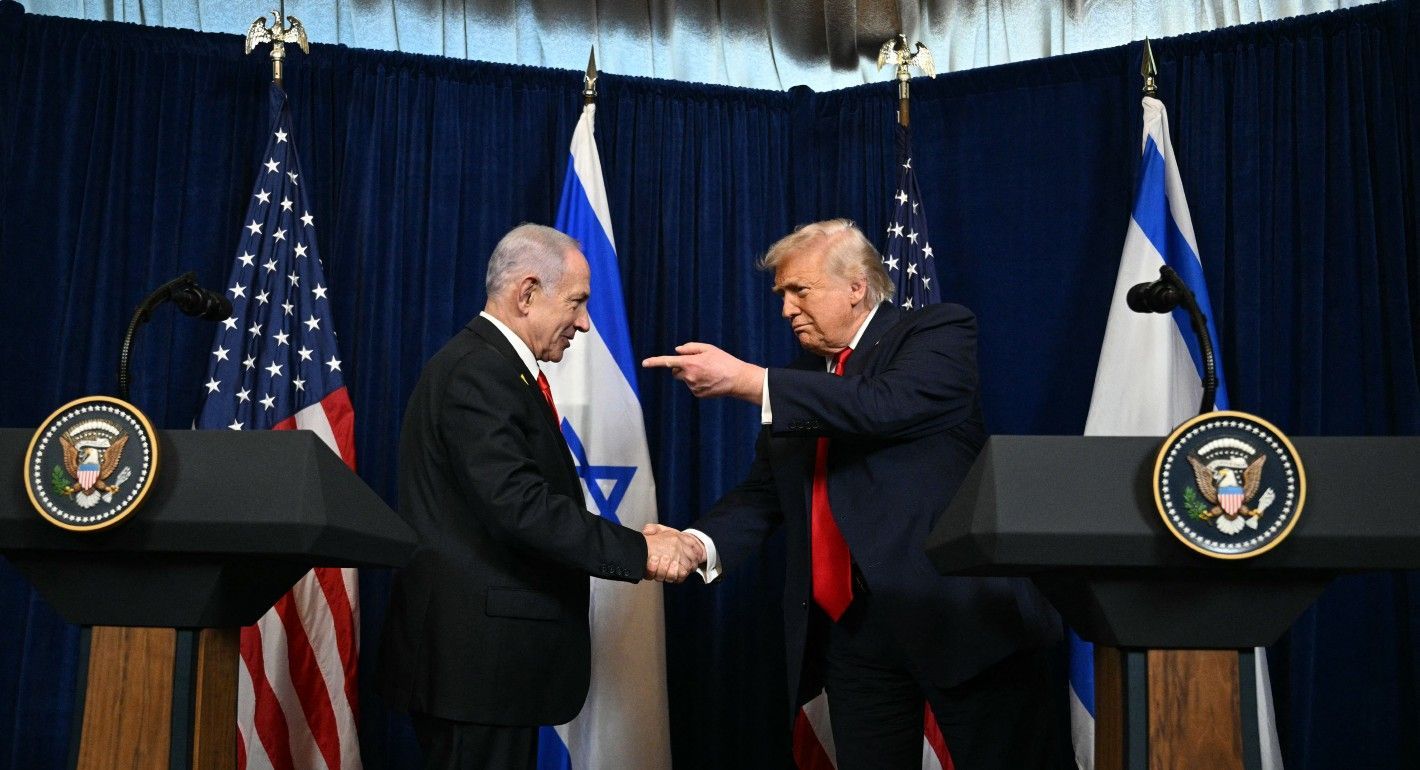
Israeli Prime Minister Benjamin Netanyahu officially accepted an invitation from U.S. President Donald Trump to join the newly formed “Board of Peace” on Wednesday, January 21, 2026. The announcement, made by the Prime Minister’s Office in Jerusalem, marks a significant shift in stance. Just days earlier, Netanyahu’s administration had criticized the board’s Gaza-focused executive committee for including regional rivals Turkey and Qatar without prior coordination with Israel.
However, following a private assurance from the Trump administration, Netanyahu has agreed to serve as a founding member alongside other world leaders.
The “Board of Peace” is a cornerstone of the Trump administration’s “Phase Two” plan for the Middle East, aimed at the long-term reconstruction and stabilization of Gaza.
Chaired by President Trump, the board includes high-profile figures such as U.S. Secretary of State Marco Rubio, Jared Kushner, and former British Prime Minister Tony Blair. Members are tasked with overseeing “governance capacity-building, regional relations, and capital mobilization.”
While the board began as a regional initiative, Trump has recently expanded its scope at the World Economic Forum in Davos, suggesting it could eventually broker global conflicts and potentially rival the United Nations.
Netanyahu’s decision to join has already sparked internal debate within his coalition. Far-right ministers, including Finance Minister Bezalel Smotrich, have voiced concerns that the board’s international oversight might limit Israel’s unilateral authority over Gaza’s future.
Despite this domestic pressure, Netanyahu’s office emphasized that joining the board is essential to ensuring Israel’s security interests are represented at the highest levels of international decision-making. Egypt also confirmed its participation on Wednesday, joining a list of over ten countries that have officially signed on to the initiative.
As President Trump prepares for a formal signing ceremony in Davos on Thursday, January 22, the international community remains divided. While nations like Hungary, Belarus, and Vietnam have embraced the move, others such as Norway, Sweden, and France have declined to join, expressing fears that the board undermines existing multilateral institutions.
For Netanyahu, the move cements a strategic alliance with the Trump administration, positioning Israel at the center of a new “commercial trusteeship” model for regional peace.