











KEY POINTS
- The Niger Delta Power Holding Company (NDPHC) is pivoting toward a renewable energy mix and direct supply to industrial clusters to lower production costs.
- A pilot solar project has been confirmed for Kano State to provide dedicated electricity to manufacturing hubs, reducing reliance on diesel.
- NDPHC has recovered 900MW of dormant capacity in the past year, though gas shortages and transmission bottlenecks remain major constraints.
MAIN STORY
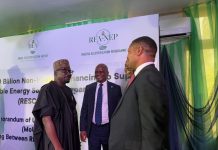
The Niger Delta Power Holding Company (NDPHC) has unveiled a strategic shift toward integrating renewable energy and providing direct electricity supply to industrial clusters. Managing Director Mrs. Jennifer Adighije announced on Sunday that the company is incorporating solar and small hydro projects with its existing gas-fired National Integrated Power Project (NIPP) plants. This diversification aims to ease pressure on thermal generation and mitigate the impact of fuel shortages and infrastructure bottlenecks that have long constrained the national grid.
Central to this new strategy is a pilot solar project targeting industrial clusters in Kano State. This initiative, part of the “Light Up Nigeria” programme, is designed to provide manufacturing hubs with reliable power, thereby lowering production costs and enhancing competitiveness. Adighije noted that this Kano project will serve as a template for similar interventions across major industrial centers nationwide, including markets, universities, and residential communities.
Despite managing nearly 30% of Nigeria’s grid-connected generation with a 4,000MW installed capacity, the NDPHC faces significant structural hurdles. Adighije highlighted a critical mismatch between generation and the transmission network’s evacuation capacity, as well as liquidity challenges where only 30% of market invoices are currently settled. To address this, she advocated for cost-reflective tariffs and the consistent implementation of the Electricity Act 2023 to attract private capital and restore investor confidence.
WHAT’S BEING SAID
- “Diversifying our energy mix will ease pressure on thermal generation and strengthen resilience amid fuel shortages,” stated NDPHC Managing Director Jennifer Adighije.
- Adighije confirmed that the company recovered “about 900 megawatts of dormant capacity” in the past year through improved operational discipline.
- On market viability, she noted: “A financially viable market is essential to restore investor confidence and attract private capital.”
WHAT’S NEXT
- The NDPHC will move forward with the pilot solar project in Kano State as a primary test case for industrial power supply.
- Efforts will continue to recover critical equipment from ports, including 110 previously abandoned containers, to accelerate transmission and distribution projects.
- The company will explore more direct supply arrangements with distribution companies and “eligible customers” to bypass traditional grid constraints.
BOTTOM LINE
The Bottom Line is that the NDPHC is attempting to bypass systemic grid failures by focusing on decentralized renewable solutions and direct industrial partnerships. While recovering dormant capacity is a win, the long-term success of this strategy depends on resolving the massive liquidity crisis and transmission gaps currently strangling the Nigerian power value chain.


 has unveiled a strategic shift toward integrating renewable energy and providing direct electricity supply to industrial clusters. Managing Director Mrs. Jennifer Adighije ...)