

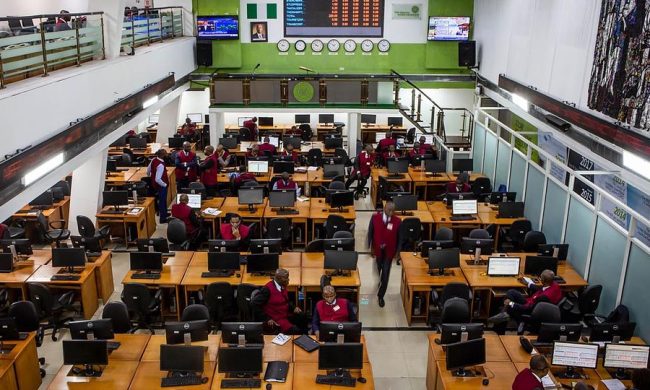







The naira fell at the official foreign exchange window as dollar demand swelled, closing spot at N1530.25 per United States dollar after swinging between N1527 and N1533 intraday, Central Bank data showed, underscoring sustained hard currency pressure.
Trading showed notable intraday movement. Deals printed as high as N1533 and briefly touched N1527 before the market settled at about N1531 at the close. The softer close underscores persistent pressure from importers and portfolio flows seeking hard currency.
The decline came even as Nigeria’s external reserves edged higher to 37.638 billion dollars at the start of the week on the back of fresh inflows. Reserve accretion has been supported by stronger crude oil receipts in recent months and a slowdown in direct Central Bank foreign exchange interventions.
Oil output provided additional backing for inflows. Nigerian Upstream Petroleum Regulatory Commission figures show crude production excluding condensates rose 3.6 percent to 1.51 million barrels per day in June from 1.45 million barrels per day in May, marking the first time in five months that the country met its OPEC quota. Output peaked at 1.54 million barrels per day in January. With condensates included, combined liquids production averaged 1.69 million barrels per day in June versus 1.65 million barrels per day in May.
Market watchers say the Central Bank’s strategy of scaling back intervention dollar sales to dealer banks in the second half of the year follows an estimated 4.7 billion dollars deployed in the first six months to cushion the currency during a period of pronounced foreign investor exits.
Even so, risks linger. Analysts warn that continued declines in yields on treasury bills, FGN bonds and open market operation bills could prompt renewed foreign portfolio exits, adding fresh pressure on the naira if the trend persists.