






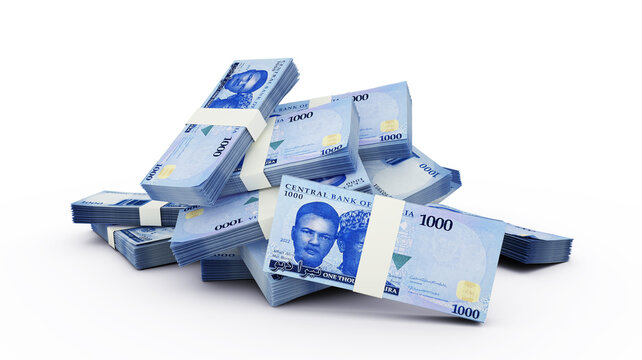
The Nigerian naira appreciated to ₦1,506 per U.S. dollar at the official market, buoyed by an increase in the country’s foreign reserves, which reached $41.5 billion.
According to the Central Bank of Nigeria (CBN), the official FX spot rate closed at ₦1,506.84/$1 on Monday, supported by steady dollar inflows and reduced demand pressures. This marked a notable improvement from last week’s ₦1,514.86/$1 exchange rate.
Currency analysts attributed the strengthening to improved U.S. dollar liquidity in the market, suggesting that the naira could remain relatively stable in the short term despite global economic headwinds and fluctuations in the U.S. dollar index.
Last week, the local currency appreciated by ₦16.70 to close at ₦1,514.87/$1 in the Nigerian Autonomous Foreign Exchange Market (NAFEM). Meanwhile, in the parallel market, the exchange rate held steady at ₦1,540/$1.
Market data showed total FX inflows amounted to $567.2 million during the week, down from $706.7 million recorded the previous week. Foreign Portfolio Investments (FPIs) were the largest contributors, bringing in $184.1 million (32.5%). The CBN also intervened with $173.1 million (30.5%), while exporters and non-bank corporates contributed 16.6% and 16.2%, respectively. Other inflows accounted for 4.3%.
Nigeria’s external reserves rose to $41.499 billion, supported by hydrocarbon revenues and other foreign sources despite volatility in global oil prices.
Brent crude oil prices slipped 3.85% last week, closing at $65.5 per barrel compared to $68.12 in the prior week. This decline brought the year-to-date loss to 12.25%, with the 2025 average now at $69.98 per barrel — about 12.37% lower than in 2024.
Oil prices were initially boosted by concerns over new U.S. sanctions on Iranian shipments and steady Asian demand. However, the rally reversed after a weaker U.S. jobs report raised fears of slowing global oil consumption. Rising U.S. crude inventories and speculation of additional OPEC+ supply also weighed heavily on market sentiment.
Looking ahead, analysts expect continued volatility in oil prices, with the balance between global demand signals and supply adjustments by major producers shaping the market trajectory. Nigeria’s currency stability, they warn, will remain closely tied to developments in the global energy market and dollar inflows.