



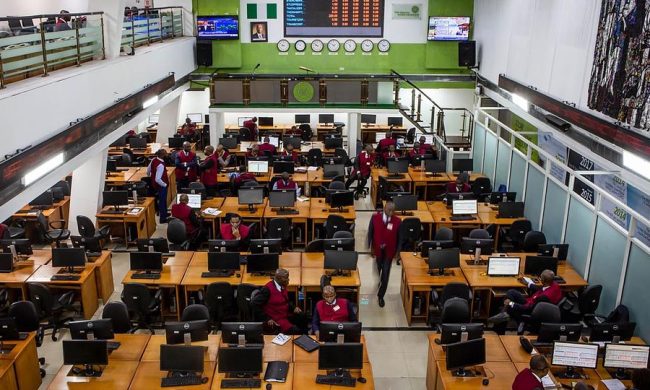






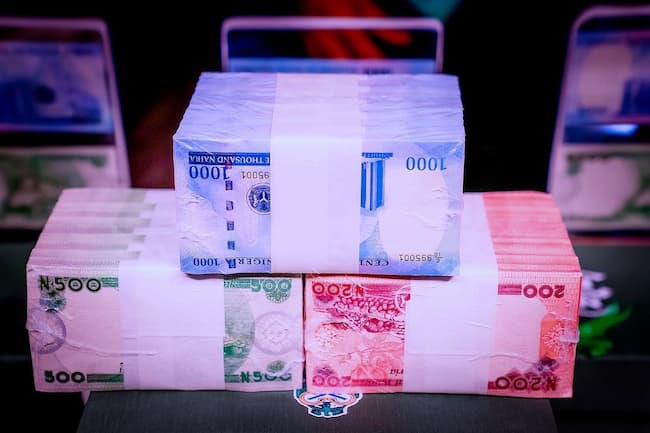
The Nigerian currency continued its downward trend for the eighth consecutive trading session at the Nigerian Foreign Exchange Market (NFEM) window, weakening further to close at N1,456 to the dollar on Thursday.
Despite the Central Bank of Nigeria’s ongoing interventions, the naira remained under pressure amid increasing foreign payment obligations and a lack of meaningful inflows from key sources such as foreign investors, exporters and large corporate bodies.
Data from the CBN’s daily FX report indicated yet another depreciation of 0.05%, with the official rate settling at ₦1,456.07 per dollar. During the day’s trading cycle, the spot market briefly hit N1,459 per dollar before recovering marginally to close at N1,455.25. The currency also reached an intraday low of N1,453.55 at certain trading windows.
In the parallel market, the naira experienced a sharper decline, with rates sliding to N1,490 per dollar in the informal segment.
Throughout December, the currency has shown persistent instability, with only one trading day recording modest gains. The naira was last quoted at N1,445.3929 on December 2 before beginning the current slide.
Market analysts attribute the continued depreciation to significant dollar demand associated with year-end business activities, reduced investor confidence, and the widening gap between official and informal market supply.
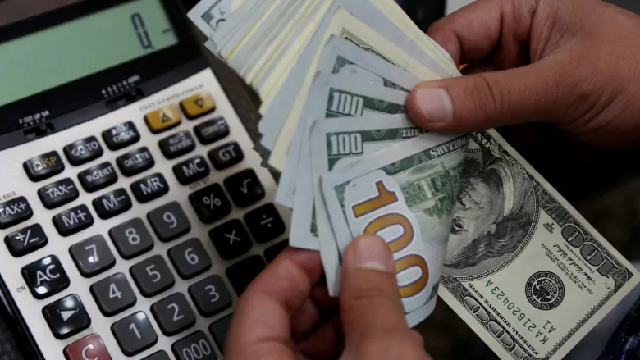
Globally, the naira traded lower following reactions to the United States Federal Reserve’s decision to implement a 25-basis point interest rate cut on Wednesday. The move led to a weaker US dollar across major currencies, with volatility pushing the Dollar Index out of the lower range of its four-day band of 98.75 to 99.30.







 window, weakening further to close at N1,456 to the dollar on Thursday.)