





KEY POINTS
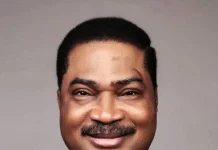
- Senator Magnus Abe, the Board Chairman designate for the Nigerian Upstream Petroleum Regulatory Commission (NUPRC), was screened by the Senate on Monday, March 16, 2026.
- Abe highlighted that while global tensions (specifically citing conflicts involving Iran and the U.S.) may drive up domestic fuel prices, they also present a “strategic opportunity” to boost national revenue through higher international crude oil prices.
- The nominee noted that global gas supply disruptions offer Nigeria a window to expand local production, while higher oil prices make previously “unprofitable” marginal fields economically viable.
- Fellow nominee Paul Jezhi emphasized the need for modern metering and drone technology to eliminate crude oil measurement discrepancies and combat pipeline vandalism.
MAIN STORY
Nigeria is uniquely positioned to navigate—and potentially profit from—the current global energy crisis, according to Senator Magnus Abe, the newly screened Board Chairman designate of the NUPRC.
Appearing before the Senate Committee on Petroleum Resources (Upstream) in Abuja on Monday, Abe described the current international instability as a “balancing act” for the Nigerian economy.
While acknowledging the “human cost” of global conflicts and the resulting pressure on local petroleum prices, Abe argued that the surge in Brent crude provides a significant revenue boost for the federation. He urged Nigerians to look beyond the immediate challenges and recognize the growth opportunities inherent in market disruptions.
Specifically, he pointed to the potential for Nigeria to fill gaps in the global gas market and the renewed viability of marginal oil fields that were once considered too costly to develop.
The screening also addressed longstanding technical leaks in the sector. Paul Jezhi, a nominee for non-executive commissioner, told lawmakers that “discrepancies in crude oil at the custody point” have plagued the industry for years. He proposed a shift to modern digital metering technology, which can record measurements with high precision, alongside the deployment of drones and satellite surveillance to protect infrastructure in the Niger Delta.
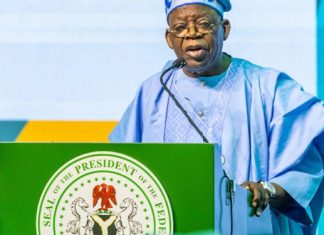
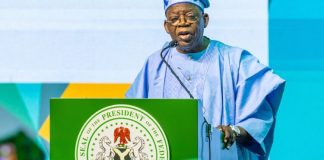
Abe, a two-term senator and former board member of the NNPC, expressed gratitude to President Bola Tinubu for the nomination. He stated that his leadership would focus on the full implementation of the Petroleum Industry Act (PIA), which he believes provides the necessary legal framework to solve host community tensions and pipeline vandalism. If confirmed, Abe will lead a restructured board tasked with restoring investor confidence under the administration’s “Renewed Hope Agenda.”
WHAT’S NEXT
- Senate Confirmation: Following the “take a bow and go” treatment for Senator Abe, a formal confirmation vote is expected in the coming days to officially inaugurate the new NUPRC board.
- Technology Deployment: If the board’s recommendations are adopted, we may see a rapid rollout of AI-driven metering and drone surveillance across major Nigerian oil terminals by late 2026.
- Marginal Field Bidding: With Abe’s focus on “economically viable” marginal fields, the NUPRC may announce a new licensing round specifically targeting these assets while oil prices remain high.
WHAT’S BEING SAID
- “Prices will definitely be affected, but revenues from our oil sales will also be positively affected. There will be some measure of balance,” said Sen. Magnus Abe.
- “Modern meters can now record measurements within a margin of plus or minus one to five… these discrepancies will largely disappear,” noted Paul Jezhi.
- “We see this as an opportunity to contribute our quota to the Renewed Hope Agenda and to help rebuild confidence,” added Abe.
BOTTOM LINE
The Bottom Line is that the incoming NUPRC leadership views the global energy crisis as a catalyst for Nigerian expansion rather than just a burden. By leveraging high crude prices to fund the “digitalization” of oil measurement and security, Abe’s board aims to turn external volatility into internal structural strength.