










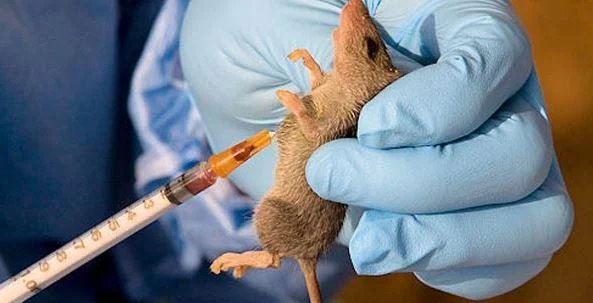
The Nigeria Centre for Disease Control and Prevention (NCDC) says 177 people have died from Lassa fever in 2025, as the country continues to battle a persistent rise in infections.
According to the agency’s latest epidemiological update released on Thursday, Nigeria has recorded 966 confirmed cases as of epidemiological Week 44 (ending 2 November). The Case Fatality Rate has climbed to 18.3 per cent, higher than the 16.5 per cent reported during the same period in 2024.
Lassa fever is an acute viral haemorrhagic disease caused by the Lassa virus, which the World Health Organisation describes as endemic to West Africa. The virus is primarily transmitted to humans through contact with food or household items contaminated by the urine or faeces of infected Mastomys rats.
The WHO notes that the disease is known to be endemic in Nigeria, Benin, Ghana, Guinea, Liberia, Mali, Sierra Leone and Togo, and may exist in other West African countries.
Cases Spread Across 21 States
The NCDC report shows that 21 states have recorded at least one confirmed case across 102 Local Government Areas since the start of 2025.
In Week 44 alone, 12 new confirmed cases were detected—up from 11 the previous week—with infections reported in Ondo, Edo and Benue states.
The agency noted that 87 per cent of all confirmed cases originated from four states: Ondo (36 per cent), Bauchi (21 per cent), Edo (17 per cent) and Taraba (13 per cent). The remaining 13 per cent of cases were recorded across 17 other states.
The predominant age group affected this year is 21–30 years, with cases ranging from one to 96 years of age and a median age of 30. The male-to-female ratio stands at 1:0.8.
Fewer Suspected Cases Than Last Year
The NCDC reported that the number of suspected and confirmed cases recorded so far in 2025 is lower than the figure for the same period in 2024. It also confirmed that no new healthcare worker infections were recorded in Week 44.
The agency added that the National Lassa Fever Multi-Partner, Multi-Sectoral Technical Working Group continues to coordinate response efforts across all levels.










 says 177 people have died from Lassa fever in 2025, as the country continues ...)