









KEY POINTS
- The International Maritime Organisation (IMO) reports that at least 3,000 vessels and 20,000 seafarers are currently stranded in the Middle East.
- The Strait of Hormuz, a critical global shipping corridor, is essentially closed following a lethal strike on a tugboat on Friday morning.
- IMO Secretary-General Arsenio Dominguez warned of a global “knock-on” effect, as the sea lane handles 20% of the world’s oil.
- UN officials warn that the closure could trigger humanitarian consequences, including spiked food prices and strained health systems.
MAIN STORY
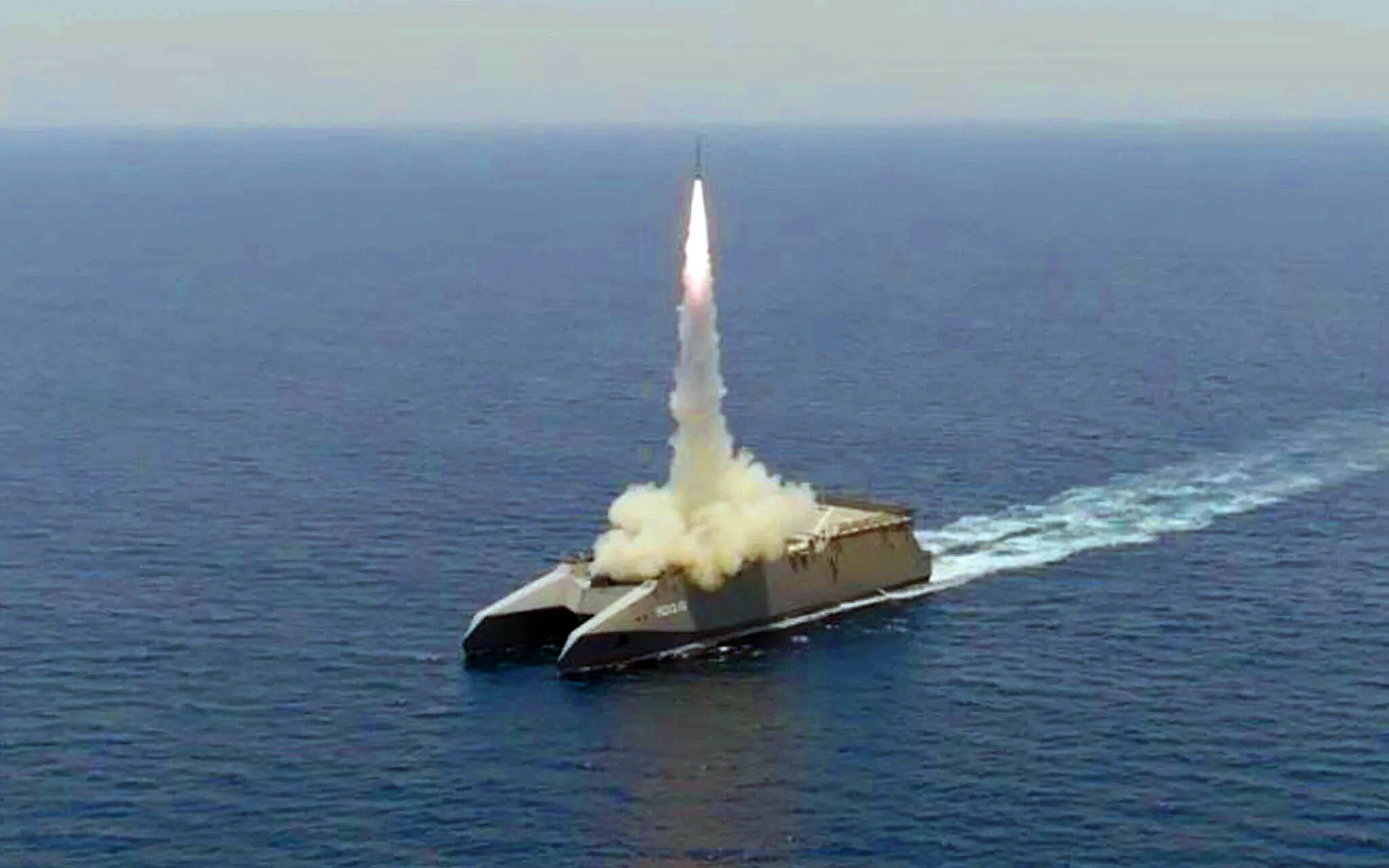
A major maritime crisis has unfolded in the Middle East as the International Maritime Organisation (IMO) confirmed the effective closure of the Strait of Hormuz. The shutdown of this vital corridor, which serves as the entrance to the Persian Gulf, has left no fewer than 3,000 vessels and 20,000 seafarers stranded amid the escalating war involving the U.S., Israel, and Iran.
The decision to declare the lane closed follows a tragic incident on Friday morning when a tugboat assisting another vessel was struck, resulting in the deaths of four seafarers. IMO Secretary-General Arsenio Dominguez condemned the attack and noted that the regional situation is “deteriorating” rapidly. He has urged all ships to avoid navigating in the region and called upon member states to seek de-escalation through dialogue to restore safe movement.
The impact of this closure is expected to be felt globally, given that the Strait of Hormuz is responsible for the transit of approximately one-fifth of the world’s oil supply. UN Emergency Relief Coordinator Tom Fletcher warned that the disruption of this key route could drive up food prices and significantly hinder the delivery of humanitarian supplies, disproportionately affecting the world’s most vulnerable populations.
WHAT’S BEING SAID
- “The Strait of Hormuz was closed after a tugboat assisting another vessel in the strait on Friday morning was struck killing four seafarers,” disclosed Arsenio Dominguez, IMO Secretary-General.
- “Disruptions to key maritime routes such as the Strait of Hormuz could drive up food prices,” warned Tom Fletcher, UN Emergency Relief Coordinator.
- Dominguez urged member states to “find solutions through dialogue in order to de-escalate”.
WHAT’S NEXT
- International shipping firms are expected to reroute vessels around the Cape of Good Hope, a move that will significantly increase transit times and fuel costs.
- Emergency diplomatic sessions at the UN are likely as member states weigh the economic impact of a prolonged closure of the Persian Gulf entrance.
- Humanitarian agencies will begin assessing alternative land-based supply chains to bypass the blocked maritime corridors.
BOTTOM LINE
The Bottom Line is that the closure of the Strait of Hormuz has transformed a regional military conflict into a global economic and humanitarian emergency. With 3,000 ships at a standstill and 20% of the world’s oil blocked, the pressure for a swift diplomatic de-escalation has never been higher.









 confirmed the effective closure of the Strait of Hormuz. The shutdown of this vital corridor, which serves as the entrance to the Persian Gulf, has left no fewer than 3,000 vessels and 20,000 seafarers stranded amid the escalating war involving the U.S., Israel, and Iran.)