



Key points
- IMF forecasts Nigeria’s GDP growth at 4.3% in 2027, up from 4.1% in 2026.
- Global growth expected to slow due to geopolitical tensions and inflation pressures.
- Presidency hails projection as evidence of economic reforms yielding results.
Main story
The International Monetary Fund has projected that Nigeria’s economy will grow by 4.3 per cent in 2027, reflecting a modest improvement from the 4.1 per cent growth forecast for 2026.
The projection, contained in the IMF’s World Economic Outlook, comes amid rising global uncertainties, particularly tensions in the Middle East, which the Fund warns could test global economic resilience.
According to the report, global growth is expected to slow to 3.1 per cent in 2026 before slightly improving to 3.2 per cent in 2027, assuming the ongoing conflict remains limited in scope and duration.
The IMF also noted that global inflation is likely to increase modestly in 2026 before declining again in 2027, with emerging markets and developing economies expected to face the most pronounced pressures.
The issues
Despite Nigeria’s positive outlook, the global economy faces significant downside risks, including prolonged geopolitical conflicts, trade tensions, and rising public debt levels.
Emerging economies, particularly commodity importers, remain vulnerable to inflationary pressures and weakened policy buffers, which could undermine growth prospects.
What’s being said
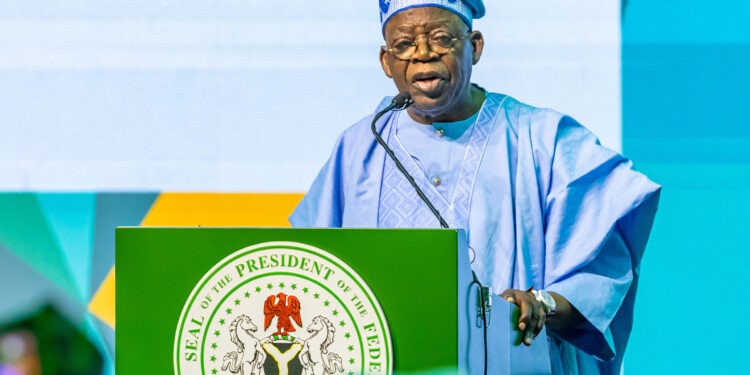
Reacting to the projection, the Special Adviser to the President on Policy Communication, Daniel Bwala, described the forecast as a sign that Nigeria’s economic reforms are beginning to yield results.
He stated that under the leadership of Bola Ahmed Tinubu, the country is on a steady path to recovery, noting that Nigeria’s projected growth outpaces that of several advanced economies.
“Slowly but steadily, the reforms are showing tangible fruits,” Bwala said, expressing confidence in the administration’s economic direction.
What’s next
The IMF has urged policymakers globally to prioritise adaptability, strengthen policy credibility, and enhance international cooperation to navigate ongoing economic uncertainties.
For Nigeria, sustaining growth will depend on maintaining reform momentum, managing inflation, and strengthening fiscal resilience amid external shocks.
Bottom line
While Nigeria’s growth outlook remains cautiously optimistic, global economic headwinds and domestic structural challenges will be key determinants of whether the projected gains are realised.