



Once upon a time, trading used to follow strict hours. The market opened, the market closed, and if you missed the window—well, better luck tomorrow. But for many savvy Nigerians today, that timeline is obsolete.
Thanks to modern apps, trading has become a 24-hour sport. Whether you’re stuck in Third Mainland Bridge traffic or prepping PowerPoint slides at 2 a.m., you can buy, sell, monitor, and adjust your portfolio—like clockwork.
So how did this shift happen? And what does it mean for business-class professionals juggling meetings, family, and now—trades? Let’s break it down.
1. Trading isn’t just for stockbrokers anymore—apps made it personal
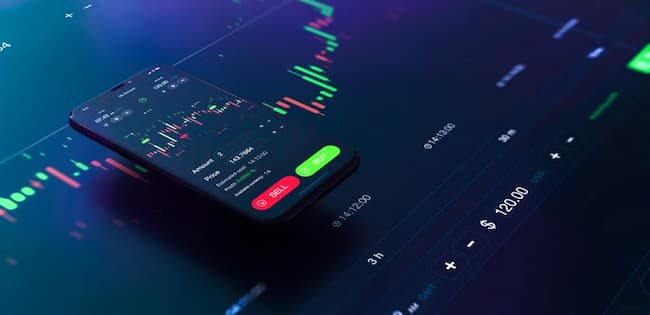
Remember when you needed a middleman in a crisp suit to buy shares? That’s long gone. Today’s trading apps put power in your palm—literally.
Platforms like Bamboo, Meritrade and Invest Africa have turned smartphones into mini stock exchanges. They offer global market access—think NYSE, NASDAQ, and even Chinese tech stocks—right from your phone. No gatekeeping. No minimum million-naira deposit.
And yes, while the New York Stock Exchange might sleep, crypto doesn’t. Forex doesn’t. Even some ETFs stay active after hours. So your portfolio? It keeps moving.
2. Global markets, local time zones—trading across continents while eating amala
Here’s the thing: the market may sleep in New York, but it’s already awake in Tokyo. With apps integrating multi-market data feeds, Nigerian users can seamlessly switch from American equities in the afternoon to Asian markets by dawn.
It’s like being in three boardrooms at once—without leaving your living room in Lekki or your hotel room in London. For professionals who already live in multiple time zones mentally—conference calls with the UK at 10 a.m., emails from California by midnight—this model fits perfectly.
3. Crypto never clocks out—and Nigerians know it
Let’s be honest: crypto changed the tempo of trading for good. Bitcoin doesn’t care if it’s Sunday. Ethereum doesn’t pause for public holidays. And apps like Binance have made it easier than ever for Nigerians to play in this round-the-clock arena.
Even better? Some apps offer automated bots or scheduled trades, so even if you’re deep in REM sleep, your money isn’t idle. It’s earning—or at least, trying to. And sure, the market can be brutal. But as any trader will tell you, volatility is just another word for opportunity—if you know how to ride the wave.
4. Naira’s unpredictable mood swings? Apps help you hedge the drama
The naira is… let’s just say, emotionally complex. Between official rates, parallel markets, and sudden CBN announcements, many Nigerians are rightfully wary of keeping their savings in just one currency.
Modern apps offer a cushion—multi-currency wallets, dollar-denominated assets, and even stablecoins like USDT. It’s like financial mood insurance. Whether the naira wakes up cheerful or cranky, you’ve got options.
This is especially crucial for professionals managing salaries, school fees, or remote work payments across borders. You don’t want your child’s tuition fee wiped out by a 6% devaluation overnight.
5. Micro-investing: because not everyone has ₦10 million to “spare”
This part’s important. One of the smartest things modern apps did? They erased the entry barrier. You can now buy fractions of Tesla or Google stocks for less than a plate of jollof rice at a VI restaurant.
And no, that’s not an exaggeration. Apps like Bamboo and Passfolio let users invest as little as $1. That’s empowering—especially for young professionals or side-hustlers trying to build wealth in bite-sized chunks. There’s something powerful about looking at your phone and seeing a portion of your salary working for you. It’s subtle, but deeply motivating.
6. AI, bots, and notifications—your trading assistant never sleeps
These apps aren’t just platforms—they’re personal finance assistants. You get push alerts about price drops. AI-generated insights. Curated market news. Even voice-activated commands in some apps (yes, seriously).
Some tools let you mirror the moves of successful investors—kind of like a financial version of Instagram stalking, but productive. Others let you set price triggers or automate dollar-cost averaging, so you don’t panic-sell every time Elon tweets something bizarre. The goal? Steady hands, smarter decisions.
7. One phone, many markets—Nigeria’s digital literacy is winning
Let’s not forget the cultural shift here. Nigeria has some of the highest mobile penetration and internet-savvy youth on the continent. Combine that with an appetite for hustle, and you’ve got a perfect storm.
Trading groups on Telegram? Check.
YouTube breakdowns of candlestick patterns? Check. X (formerly Twitter) threads analyzing global macro events from a Lagos lens? Absolutely. Apps have become more than tools—they’re gateways to conversations, ideas, even mentorship. In a way, 24/7 trading isn’t just about money—it’s about learning, evolving, and being part of something bigger.
So… should you jump in too?
Honestly? That’s up to you. Trading 24/7 sounds exciting, but it also requires discipline. You can’t be glued to your screen chasing every tick—it’s not sustainable.
But if you’re a business-minded Nigerian professional—juggling work, side projects, kids, and the occasional Asake concert—these apps are worth exploring. Not just to grow your money, but to understand how money moves. Because these days, the market never really closes. And neither should your options.