





The Federal Government has defended its plan to introduce a 5 per cent fuel surcharge from January 2026, insisting the measure is designed to fund road infrastructure rather than worsen the financial strain on Nigerians.
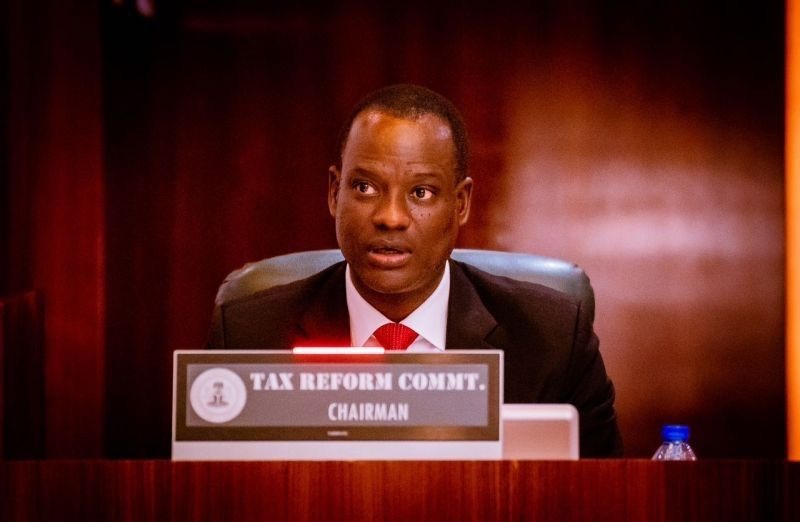
Chairman of the Presidential Committee on Fiscal Policy and Tax Reforms, Taiwo Oyedele, explained that the surcharge, introduced under the newly enacted Nigeria Tax Act 2025, would be strictly dedicated to repairing and maintaining the country’s dilapidated road network.
Speaking on Channels Television’s Morning Brief on Tuesday, Oyedele acknowledged concerns that the levy could fuel inflation but argued that better road infrastructure would, in the long run, reduce the cost of moving goods and people.
“I know everybody is concerned about the impact on inflation; I’m concerned myself,” he said. “But Nigeria has about 200,000 kilometres of roads, and only about 60,000 are in good condition. That is why transporting goods and people remains costly and unsafe. Fixing our roads is critical to addressing these challenges.”
The policy has, however, stirred public anxiety, with the Trade Union Congress threatening a nationwide strike within two weeks unless the tax is scrapped.
Oyedele linked the state of Nigeria’s highways directly to inflationary pressures, noting that food prices in rural areas are often up to five per cent higher than in urban centres — a disparity rarely above one per cent in most countries.
He further clarified that the surcharge was first introduced in 2007 but suspended due to the government’s fuel subsidy regime. With subsidy removal now in effect, he said revenues from that alone are insufficient to close Nigeria’s huge infrastructure gap.
“Even with subsidy removal, the gap we have in terms of infrastructure cannot be bridged by those revenues alone,” he stressed.
According to him, the surcharge would be implemented carefully to minimise hardship. Options under consideration include aligning the tax with periods of naira appreciation or falling crude oil prices to ensure pump prices remain stable.
“The money will be ring-fenced and focused solely on fixing roads, so Nigerians can feel the direct benefits through lower transport costs and cheaper goods,” he assured.
Oyedele also highlighted the success of the Road Infrastructure Tax Credit Scheme, which has seen companies such as Dangote, MTN, Lafarge and NLNG finance critical road projects. He said similar private-sector collaboration could be applied to ensure efficient use of the new funds.
While urging Nigerians to remain open-minded, the tax reform chief noted that the law provides mechanisms to reverse the policy if it fails to deliver.
“If it doesn’t work for the country, the National Assembly has the process to remove it,” he said.