







By Boluwatife Oshadiya | March 24, 2026
Key Points
- Euro weakens as investors shift to US dollar amid geopolitical tensions
- EU gas prices surge over 30% since start of Iran conflict
- ECB faces rising pressure to tighten policy despite slowing growth
Main Story
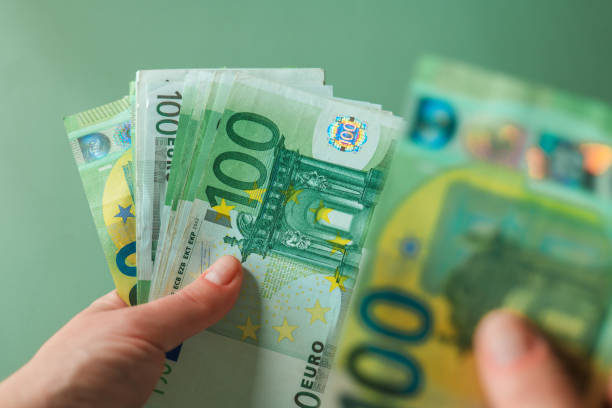
The euro extended its decline toward $1.15 in global foreign exchange markets as escalating tensions in the Middle East boosted demand for the US dollar as a safe-haven asset.
Investor sentiment shifted sharply following renewed military actions involving the United States and Iran, triggering volatility across currency and commodity markets. The dollar strengthened significantly, drawing capital away from the euro and other risk-sensitive currencies.
Energy markets have played a central role in the euro’s weakness. European natural gas prices have surged more than 30% since the conflict began on February 28, driven by attacks on critical infrastructure including Iran’s South Pars gas field and Qatar’s Ras Laffan facilities.
The European Central Bank (ECB) now faces a complex policy environment, having held rates steady last week while raising inflation forecasts and cutting growth projections due to energy-driven risks.
What’s Being Said
“We are seeing a classic flight to safety, with the dollar benefiting at the expense of the euro,” said a London-based FX strategist.
“If inflation pressures persist, further tightening may be unavoidable,” Joachim Nagel, ECB policymaker, indicated in recent remarks.
What’s Next
- Markets await ECB policy signals ahead of potential April rate decision
- Continued geopolitical developments expected to drive currency volatility
- Energy price movements to remain a key determinant of euro performance
The Bottom Line: The euro’s decline highlights Europe’s vulnerability to energy shocks, with geopolitical risks now directly influencing currency stability and monetary policy expectations.