






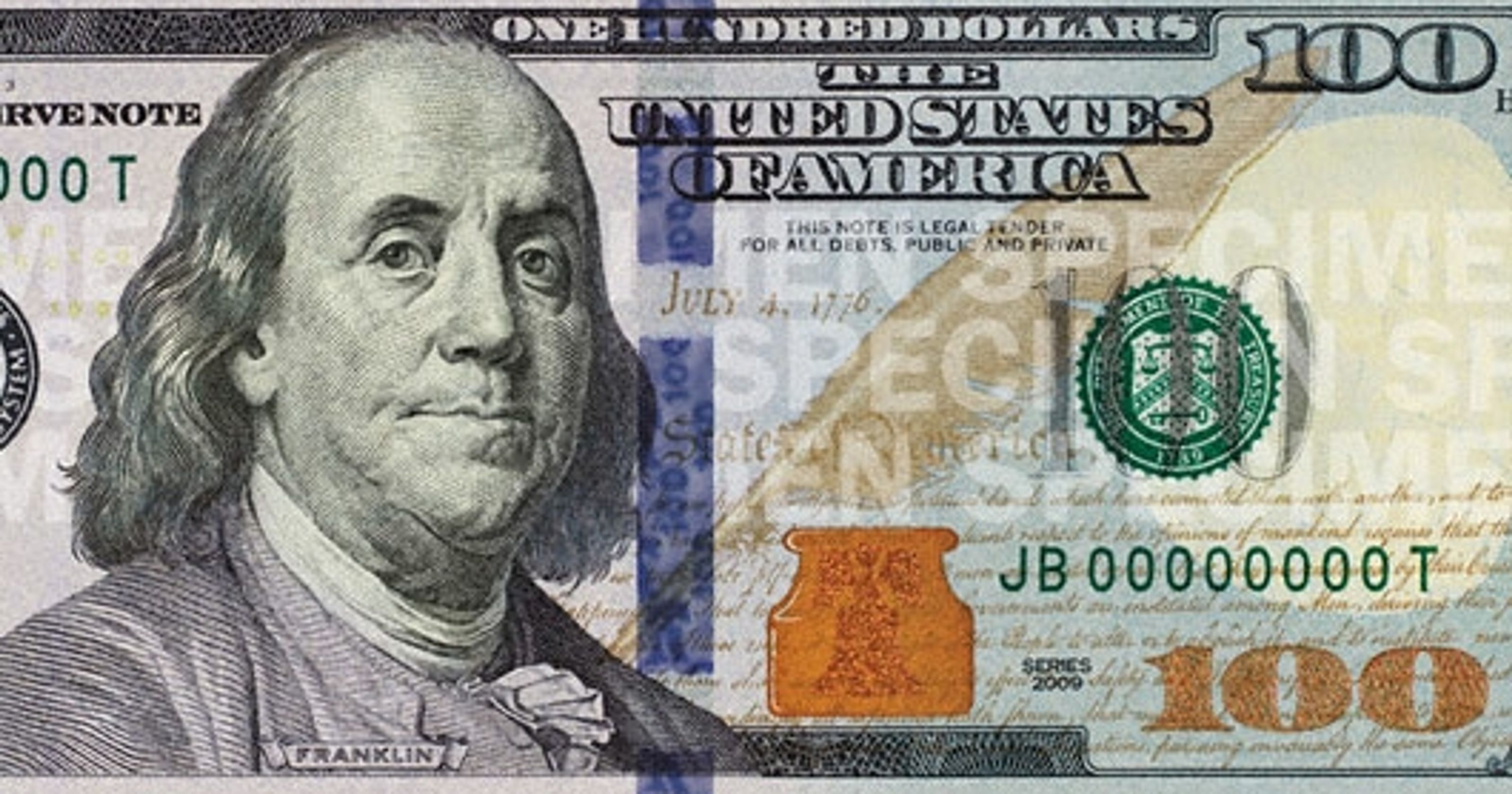
The US dollar weakened against major currencies as global markets priced in two potential rate cuts by the Federal Reserve within three months, amid the ongoing US government shutdown and uncertainty in Washington.
The greenback’s decline was fueled by fears of delayed economic data releases, suspended government operations, and renewed concerns over US-China relations.
By Friday, the USD/JPY pair fell 0.6% to 149.48, while the British pound strengthened to $1.3427, up 0.53%, and the euro gained 0.29% to $1.1655.
Following recent tariff-related tensions and market volatility, the dollar’s role appears to have shifted from a safe-haven asset to a risk-sensitive currency, reacting negatively to market instability.
The dollar’s decline deepened amid growing worries about regional bank loans and rising stress in money market rates. Analysts say the absence of key economic reports—due to the government shutdown—has left investors uncertain about the US economy’s strength.
The Consumer Price Index (CPI) for September, postponed because of the shutdown, is now expected to be released on October 24 after the Department of Labor recalled select staff to process the data for Social Security’s annual COLA adjustments.
Meanwhile, over two million federal workers remain unpaid, while political gridlock in Washington shows no sign of easing. Both major parties continue to stand firm, leaving the country in a stalemate that has weakened investor confidence.
The Dollar Index (DXY), which measures the greenback’s performance against six major peers, fell to around 98.00, its lowest point in over two months. This marks a reversal from the post-FOMC rally in September, when it peaked near 99.55.
Analysts believe the dollar’s fading strength reflects growing expectations of Fed rate cuts later this month and again in December.
Experts also note that the dedollarisation trend—where countries diversify away from the US currency—has intensified, further eroding the dollar’s traditional safe-haven appeal.
Ultimately, the greenback’s future direction hinges on upcoming data and the Fed’s tone, with investors watching closely for signs of economic resilience or slowdown.