






Nigeria’s electricity distribution companies (DisCos) recorded a combined revenue shortfall of about ₦44.27 billion in October 2025, underscoring persistent weaknesses in billing and revenue collection across the power sector.
The figures are contained in the latest Commercial Performance Factsheet released by the Nigerian Electricity Regulatory Commission (NERC).
According to the report, the DisCos received electricity valued at more than ₦300 billion from the national grid during the period under review but were unable to fully bill and collect payments from end-users, raising fresh concerns about the efficiency and financial sustainability of Nigeria’s electricity value chain.
NERC data showed that electricity worth ₦303.85 billion was delivered to the DisCos in October 2025. However, customers were billed only ₦255.19 billion, translating to an industry-wide billing efficiency of 83.9 per cent. This implies that electricity valued at approximately ₦48.66 billion was supplied but never billed.
Revenue collection performance was even weaker. Of the ₦255.19 billion billed, the DisCos collected just ₦210.92 billion, leaving a revenue gap of about ₦44.27 billion for the month.
Summarising the performance, NERC stated: “Total energy received was ₦303.85 billion, while total energy billed stood at ₦255.19 billion, representing a billing efficiency of 83.9 per cent. Total revenue collected was ₦210.92 billion.”
The data also revealed significant disparities in billing efficiency among the country’s 11 distribution companies, reflecting uneven operational capacity and lingering structural challenges.
Kano DisCo recorded the highest billing efficiency at 98.05 per cent, followed by Eko DisCo at 95.71 per cent and Ikeja DisCo at 94.36 per cent, indicating relatively stronger performance, particularly within the Lagos electricity market.
Jos DisCo posted a billing efficiency of 84.89 per cent, Kaduna DisCo 84.62 per cent, and Abuja DisCo 84.05 per cent—slightly above the national average.
In contrast, several DisCos performed well below acceptable levels. Enugu DisCo recorded 80.23 per cent, Port Harcourt DisCo 80.32 per cent, Ibadan DisCo 73.51 per cent, Yola DisCo 66.03 per cent, while Benin DisCo had the lowest billing efficiency at 65.32 per cent.
Implications for the Power Sector
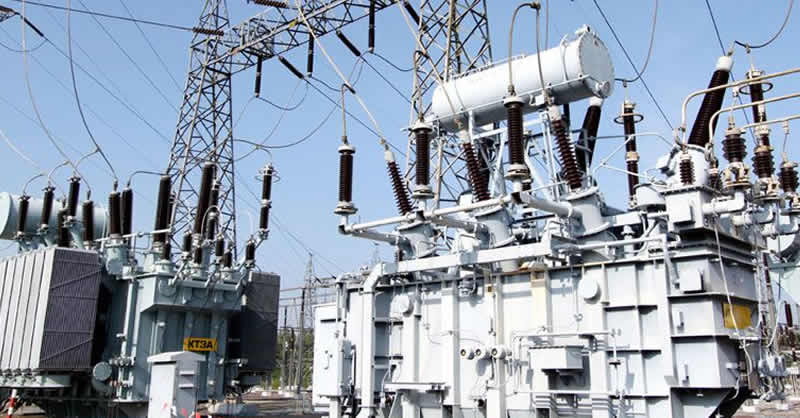
The combined billing and revenue collection gaps continue to place significant strain on Nigeria’s already fragile electricity value chain. Poor billing and collection limit the ability of DisCos to fully remit payments to the Nigerian Bulk Electricity Trading Company (NBET) and generation companies (GenCos), worsening liquidity constraints across the sector.
These challenges, analysts say, ultimately affect power supply reliability, weaken investor confidence, and increase the sector’s dependence on government interventions and subsidies.
Regulatory Concerns
NERC has repeatedly warned that without major improvements in metering coverage, reductions in aggregate technical, commercial and collection (ATC&C) losses, and stronger customer engagement, the sector’s financial viability will remain under threat.
The regulator has linked improved performance to initiatives such as the National Mass Metering Programme (NMMP), stricter enforcement of performance benchmarks and potential sanctions for persistent underperformance.
Despite these efforts, the latest data suggests that Nigeria’s power distribution segment continues to grapple with deep-seated efficiency challenges, costing the sector tens of billions of naira monthly and constraining its ability to meet national electricity demand.
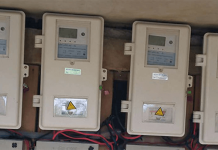
NERC had earlier reported that the national electricity metering rate rose to 56.07 per cent as of October 2025.




 recorded a combined revenue shortfall of about ₦44.27 billion in October 2025,...)