






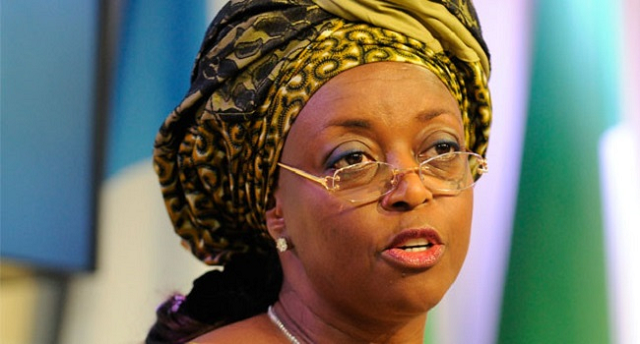
Nigeria’s former Minister of Petroleum Resources, Diezani Alison-Madueke, has formally denied six counts of bribery and conspiracy as her long-awaited trial opened at the Southwark Crown Court in London on Tuesday, January 27, 2026. The 65-year-old former OPEC president, who served under President Goodluck Jonathan from 2010 to 2015, is accused of accepting “vast quantities” of luxury perks and cash in exchange for awarding lucrative oil and gas contracts.
Prosecutors allege that the bribes included at least £100,000 in cash, private jet flights, chauffeur-driven cars, and the payment of private school fees for her son. The trial, presided over by Justice Justine Thornton, follows a decade-long investigation by the UK’s National Crime Agency (NCA) and is expected to conclude by April 24, 2026.
The prosecution’s opening statement detailed a “life of luxury” funded by individuals linked to energy firms such as Atlantic Energy and SPOG Petrochemical. British prosecutors claim that these companies paid for the upkeep of Alison-Madueke’s UK properties, including salaries for a nanny, gardener, and housekeeper.
The court heard how she allegedly utilized a personal shopper at Harrods, spending over £2 million using payment cards belonging to oil mogul Kolawole Aluko. Standing trial alongside her are two co-defendants: an oil executive, Olatimbo Ayinde, and her brother, Doye Agama, a Manchester-based bishop who is participating via video link due to medical reasons.
Parallel to the UK proceedings, the international recovery of assets linked to the former minister has gained significant momentum. In January 2025, the United States and Nigeria signed an agreement to repatriate $52.88 million in forfeited assets, including proceeds from the sale of a superyacht and luxury real estate in New York and California.
Back in Nigeria, the Economic and Financial Crimes Commission (EFCC) continues to pursue separate money laundering charges and has successfully secured the final forfeiture of several local properties and jewelry valued at millions of dollars. Despite these actions, Alison-Madueke has consistently maintained that the charges are a “political witch-hunt” and has even filed defamation suits against Nigerian authorities for obstructing her right to a fair hearing.
As the London trial enters its first full week of evidence, the global community is watching closely to see if this case will set a precedent for holding high-ranking energy officials accountable for cross-border financial crimes. If convicted under British bribery laws, the former minister faces a significant custodial sentence.
For now, the focus remains on the Southwark Crown Court, where the prosecution will continue to present documentation of the alleged financial transactions and contract awards that defined one of the most controversial tenures in the history of Nigeria’s petroleum industry.