






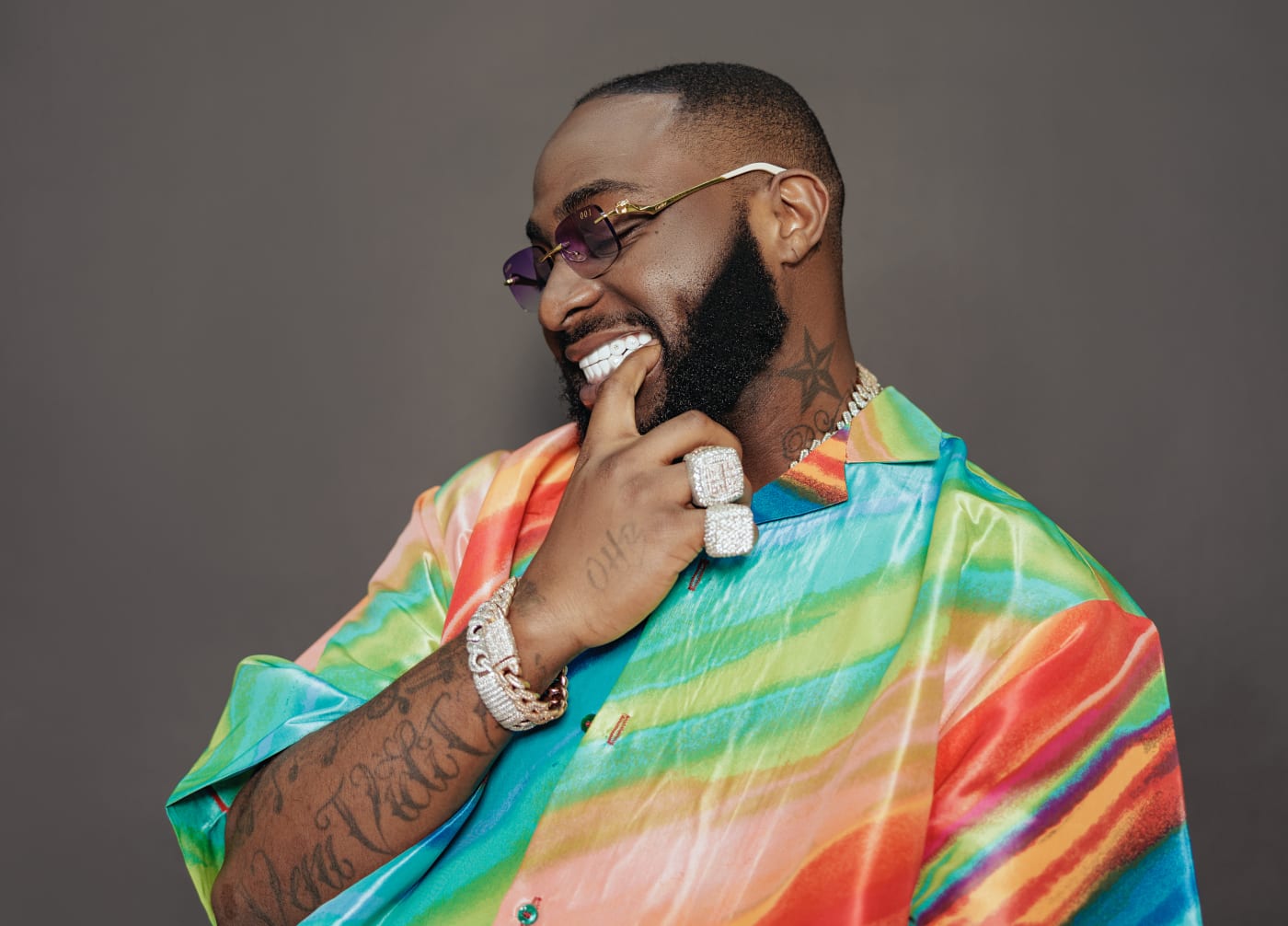
There’s something fascinating about trying to pin down the actual wealth of a celebrity—especially one as visible, vocal, and globally influential as Davido. People throw numbers around, blogs inflate figures, and fans argue endlessly about who’s richer. But behind all of that noise sits a very real question that executives, investors, policy analysts, and even economists have begun to raise:
What is Davido actually worth, and how does that wealth behave like a financial asset?
It’s a more interesting question than it seems. Because once you look past the flash, past the social media persona, and even past the chart-topping hits, you begin to see something else—Davido, the brand owner. Davido, the enterprise. Davido, the multi-line revenue engine with international exposure, diversified assets, and a long-term economic footprint that behaves a lot like a mid-sized entertainment conglomerate.
And honestly, you know what? The deeper you go into his holdings, the more you realize how misunderstood celebrity wealth is—especially in Afrobeats. So let’s break it down the way real analysts do: assets, liabilities, risk exposure, projected growth, and final valuation. And yes—we’ll mention the widely reported net worth ranges of Wizkid and Burna Boy for context, but the spotlight stays firmly on Davido.
Davido’s $100 Million Empire: The Business Behind the Music
For clarity:
- Wizkid is widely reported in the $50 million–$130 million range (sources vary).
- Burna Boy is typically placed between $60 million–$95 million.
Again, this article is not about comparisons — but the figures help frame the scale of the Afrobeats economy and why Davido’s valuation matters.
Now, let’s unpack what sits underneath that nine-figure estimate.
THE ANATOMY OF DAVIDO’S WEALTH — WHAT HE OWNS AND WHY IT MATTERS
Davido’s financial base isn’t a single pillar; it’s a portfolio. And it’s that portfolio that makes him economically powerful. Below is a distilled model of his core wealth drivers, built from public reporting patterns, industry economics, and entertainment valuation logic.
1. Music Catalog & Publishing
Music catalogs are long-term assets. They generate royalties whether the artist is touring or sleeping. Davido’s catalog — with hits like Fall, If, Aye, FIA, and the entire A Good Time and Timeless eras — feeds steady revenue from:
- Spotify, Apple Music, YouTube
- Publishing royalties
- Sync licensing (film, TV, games)
Estimated contribution in valuation models: ~$30 million.
And here’s the thing: Afrobeats streaming is not slowing down. If anything, African catalog valuations are expected to rise sharply over the next decade as global labels chase international footholds.
2. Touring and Live Performances
Live shows are where Afrobeats artists quietly print money. Davido’s U.S., UK, and European tours frequently sell out arenas. Beyond ticket sales, there are:
- VIP packages
- Logistics partnerships
- International festival fees
- Corporate concert bookings
- End-of-year performance circuits in Lagos, Accra, London, and Dubai
Model estimate: ~$28 million in touring value.
One could argue that this category may grow even faster than streaming because global Afrobeats demand keeps expanding.
3. Endorsements & Partnerships
This is the category most fans see — Puma, Martell Cognac, Infinix, GAC Motors, Wema Bank, and more. Unlike music revenue, endorsements usually pay lump sums or high-value yearly retainers. They’re predictable, renewable, and often tax-efficient.
Model estimate: ~$22 million.
Corporate Nigeria and global consumer brands love Davido because he sits in a unique demographic pocket: youthful enough for trendy brands, grown and influential enough for banks, telecoms, and blue-chip firms.
4. DMW Label & Artist Investments
While most musicians simply earn from their music, Davido owns a label, and that shifts him into a different wealth category. DMW (Davido Music Worldwide) generates revenue from:
- Artist royalties
- Licensing
- Publishing splits
- Booking percentages
- Catalog growth of signed acts
Model estimate: ~$12 million — and this could appreciate significantly.
If one of his signees becomes a global breakout star, that number jumps instantly.
5. Real Estate & Tangible Assets
These include:
- His Banana Island mansion
- Reported Atlanta property
- Other undisclosed holdings
- High-value vehicles (not great investments, but still technically assets)
Model estimate: ~$18 million.
Real estate offers stability, and in an uncertain Nigerian macroeconomic environment, property is a smart hedge.
6. Cash, Liquid Assets, and Equity Investments
This includes:
- Cash reserves
- Equity stakes in startups
- Market investments
- Other diversified financial instruments
Model estimate: ~$10 million.
TOTAL ASSET VALUE: $120 MILLION
(Modeled from the detailed breakdown.)
But assets alone don’t tell the whole story. We must subtract liabilities.
THE LIABILITY QUESTION — WHAT REDUCES HIS NET WORTH?
People rarely talk about the liability side of celebrity wealth. But any serious financial assessment must include:
1. Recoupable Advances
Record labels offer large advances, but they deduct it back from the artist’s earnings. It’s common, and even top acts deal with it.
2. Tour Production Costs
Staging international shows isn’t cheap:
- Logistics
- Equipment
- Venues
- Staff
- Travel
- Creative production
Short-term, tours cost a lot before they make a lot.
3. Taxes — Nigeria + U.S. + U.K.
With international exposure comes multi-jurisdiction taxation — tricky, expensive, and sometimes unpredictable.
4. Management Fees and Commissions
Managers, lawyers, agents, PR teams — wealthier artists have bigger financial ecosystems.
5. Reputational & Regulatory Exposure
High-profile endorsements (especially with alcohol brands, betting companies, etc.) come with risk buffers from both sides.
For a conservative estimate, a liability buffer of ~16% of gross assets is reasonable in entertainment finance.
Estimated liabilities: ~$20 million.
MODELLED NET WORTH ESTIMATE: $100 MILLION (2025)
This aligns with the most credible public reporting ranges and financial logic.
More importantly, it gives us a clean base for future projections.
THE GROWTH MODEL — WHAT DAVIDO MAY BE WORTH IN 3 YEARS
Using two valuation trajectories commonly used by entertainment analysts:
Scenario 1: Conservative (5% annual growth)
Assumes:
- Steady streaming
- Normal touring cycles
- Regular but not explosive endorsement renewals
Projected 3-year value: ~$115.8 million
Scenario 2: Optimistic (12% annual growth)
Assumes:
- A global stadium tour
- Increased multinational deals
- A major catalog revaluation
- Strong DMW performance
Projected 3-year value: ~$140.5 million
WHY THIS MATTERS — THE ECONOMIC STORY BEHIND THE ART
From a financial standpoint, Davido represents a new kind of African entertainer:
Not just a musician.
Not just a celebrity.
But a media enterprise, layered with intellectual property, high-margin touring assets, equity stakes, tangible property, and an expanding international market.
Professionals in finance and investment circles increasingly treat Afrobeats stars as:
- IP banks
- Multi-product brands
- Global cultural exporters
- Potential equity partners for multinational expansion
- Fast-rising participants in the creative economy
And that’s where things get exciting.
Afrobeats is expected to grow faster than most Western genres over the next decade. As streaming, diaspora markets, and global collaborations continue expanding, the valuation of top artists could mirror early-stage tech companies—high growth, high cultural influence, and massive long-term revenue potential.
Davido sits at the center of that momentum.
SO WHAT SHOULD INVESTORS AND EXECUTIVES LEARN FROM HIS PORTFOLIO?
Here are the key lessons:
1. Music alone doesn’t make the money — ownership does.
Catalogs, labels, publishing rights, and equity stakes offer compounding value.
2. Touring is the Afrobeats gold mine.
If an artist can sell out arenas in multiple continents, they possess one of the strongest revenue engines in modern entertainment.
3. Endorsements are more than PR — they’re capital injections.
Brands pay for trust, audience reach, and cultural relevance.
4. Celebrity risk must always be buffered.
Tax exposure, PR issues, legal challenges, and business pressures all require financial padding.
5. Afrobeats is no longer a niche market.
It is now global economic infrastructure — and artists are effectively cross-border enterprises.
FINAL THOUGHT
You know what? When you strip away the online chatter and really look closely, Davido’s financial story tells us something bigger: African entertainment isn’t just competing globally — it’s creating global value. And Davido, with his expanding catalog, international touring muscle, profitable brand partnerships, and ownership in DMW, is one of the clearest examples of a modern African creative entrepreneur.
Whether his true net worth is $95 million, $100 million, or even $120 million depending on how you model it, one thing is undeniable: He is one of the most financially significant African entertainers of his generation, and his valuation will likely continue to rise as Afrobeats cements itself as a global force.