







The African Shipowners Association has raised concerns that Nigerian shipowners are being sidelined in crude and refined product shipments from the Dangote Petroleum Refinery, with the company opting for Angola-based vessels due to a lack of local shipping capacity.
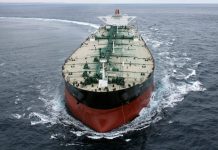
President of the association, Ladi Olubowale, disclosed this in an interview, stating that the refinery’s reliance on Angolan fleets stems from Nigeria’s absence of large-capacity vessels such as Supermax, Suezmax, or Aframax-class tankers.
“We are losing significant revenue because we don’t have the kind of vessels required,” Olubowale said. “Angola has them ready for charter. If we had that class of vessel, Dangote would have used us too. We’re missing out on a key opportunity to develop our maritime sector.”
He stressed that unless Nigeria builds its deep-sea shipping capacity, major logistics and trade opportunities like those from Dangote’s $20 billion refinery will continue to elude the country.
This comes after Dangote Group President, Aliko Dangote, recently decried rising logistics and port-related charges, revealing that lifting products from his Lekki-based refinery costs marketers more than importing from offshore terminals in countries like Togo. This has further complicated domestic distribution, contributing to Nigeria’s continued reliance on refined petroleum imports.
Edward Sowho, a member of the Nigerian Indigenous Shipowners Association, believes local participation is still possible. “If Dangote wants to use Nigerian-flagged vessels, it can be arranged through partnerships with foreign owners. The Angolan vessels may not even be owned solely by Angolans,” he said.
Sowho added that engagement between Dangote and indigenous shipping groups like NISA could foster workable solutions, if there’s the will to prioritise local content.
In response, Dangote Group spokesperson, Anthony Chiejine, maintained that the company works with shipping lines that have capacity. “Ask those in that business why they are not attracting funding. That’s the real issue,” he said.
Olubowale called on the government to invest through initiatives like the Cabotage Vessel Financing Fund, noting that developing a strategic fleet is essential if Nigeria hopes to participate meaningfully in the regional maritime economy.