







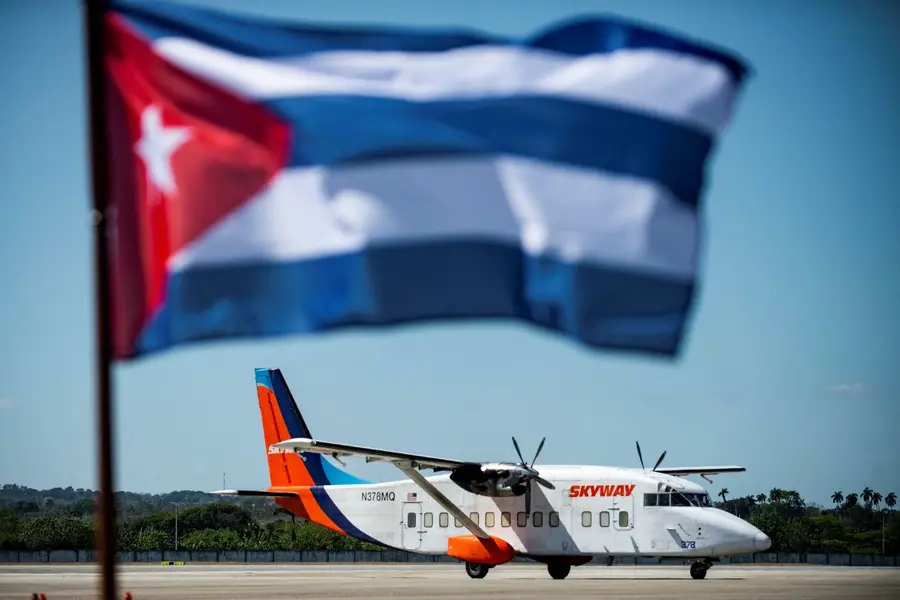
Major international airlines have begun suspending flights to Cuba following an unprecedented shortage of aviation fuel across the island. The crisis, which escalated on February 10, 2026, is a direct result of a tightened U.S. oil blockade that has effectively severed Cuba’s supply lines from its primary energy partners, Venezuela and Mexico.
Cuban aviation authorities issued an emergency Notice to Air Missions (NOTAM) warning that Jet A-1 fuel will be completely unavailable at nine major international airports, including Havana and Varadero, until at least March 11, 2026.
Air Canada was the first major carrier to ground its entire schedule, affecting 32 weekly flights. The airline has begun operating “ferry flights”, sending empty planes stocked with enough fuel for a return journey to repatriate approximately 3,000 Canadian tourists currently stranded on the island.
Other Canadian carriers, including WestJet and Air Transat, followed suit, with Air Transat cancelling all services until April 30. European and Russian airlines, such as Iberia and Aeroflot, have been forced to implement emergency technical stops in the Dominican Republic, Jamaica, or Mexico to refuel before heading to their final destinations.
The fuel crunch was triggered by a January 2026 executive order from the Trump administration, which threatens punitive tariffs on any country providing oil to Cuba. This move successfully pressured Mexico into placing its shipments “on hold” and followed a disruption of Venezuelan exports after the capture of Nicolas Maduro in early January.
While regional U.S. carriers like American Airlines and Southwest continue to operate by “tankering” extra fuel from the U.S. mainland, long-haul international flights are finding the logistics of flying to a “fuel-less” island increasingly unsustainable.
This aviation shutdown represents a severe blow to Cuba’s tourism industry, which serves as the nation’s largest source of foreign exchange. With public transport grounded and rolling blackouts reaching 10 hours a day, the United Nations has warned of a potential humanitarian collapse.
As airlines redeploy their aircraft to other Caribbean destinations, the Cuban government has introduced emergency measures, including a four-day work week and the closure of low-occupancy hotels, in a desperate bid to conserve remaining fuel reserves for essential services.