







KEY POINTS
- CBN Governor Olayemi Cardoso has declared that the era of persistent naira devaluation is over, citing restored pride and confidence in the currency.
- Nigeria’s external reserves have exceeded $50 billion, marking the highest level in over 13 years.
- The gap between official and parallel exchange rates has narrowed from 50% in 2022 to less than 2% in 2025.
- Capital inflows into Nigeria recorded a nearly 200% increase between 2023 and 2025 due to deliberate market transparency.
MAIN STORY
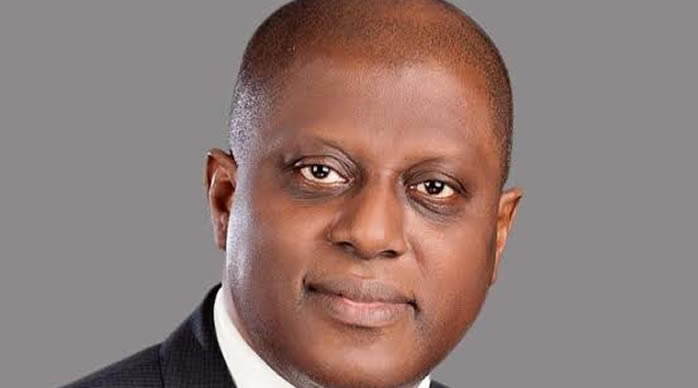
In a landmark address at St. Gregory’s College in Lagos, Central Bank Governor Olayemi Cardoso announced that Nigeria’s monetary reforms have successfully stabilized the financial system. Cardoso asserted that the “era of persistent devaluation” has been halted, replaced by a transparent market where the naira is accessible through formal channels.
He dismissed critics of the current exchange rate by pointing out that while the rate was lower in the past, it was virtually inaccessible to the general public.
Cardoso highlighted that the removal of multiple exchange rate systems—which previously favored a “privileged few”—has restored international trust. This trust is reflected in a massive 200% surge in capital inflows and an external reserve position that now sits above $50 billion. The Governor noted that many Nigerians traveling abroad can now use their naira cards directly, a sharp contrast to previous years when travelers were forced into informal markets to secure foreign currency.
Despite the global uncertainty fueled by the Israel-U.S.-Iran conflict, which threatens to disrupt supply chains and energy prices, Cardoso maintained that Nigeria’s “house will stand firm.” He reaffirmed the CBN’s long-term goal of bringing inflation down to single digits, describing inflation as a “tax” that disproportionately affects the vulnerable. To sustain this growth, the bank is also strengthening the capital base of commercial banks and establishing clear regulatory frameworks for Nigeria’s thriving fintech ecosystem.
WHAT’S BEING SAID
- “These reforms have restored pride in our currency and strengthened confidence in our financial system,” stated Olayemi Cardoso, CBN Governor.
- On the exchange rate, Cardoso noted: “The answer, in most cases, was very few [could access it]. Today, the situation is fundamentally different.”
- Regarding global shocks: “Storms may come, but our house will stand firm,” referring to the resilience built over the past two years of macroeconomic reform.
WHAT’S NEXT
- Inflation Targeting: The CBN will continue its tightening cycle to drive inflation toward the single-digit target, though Cardoso warns this will “take time.”
- Fintech Regulation: New guidelines for KYC (Know Your Customer) and operational risk management will be fully integrated to allow the fintech sector to scale sustainably.
- Capital Recapitalization: Banks are expected to complete their capital base strengthening to better withstand potential external shocks from geopolitical tensions.
BOTTOM LINE
The Bottom Line is that the CBN is shifting from a “crisis management” mode to one of “institutional stability.” By narrowing the parallel market gap to under 2% and boosting reserves to a 13-year high, Cardoso is signaling to global investors that the naira is no longer a speculative gamble, but a currency backed by a transparent and liquid market.