









The African Export-Import Bank (Afreximbank) has unveiled a $3 billion financing programme aimed at strengthening intra-African and Caribbean trade in refined petroleum products, a strategic move designed to reduce the continent’s dependence on fuel imports from outside Africa.
Announced on Monday, the new initiative—tagged the Revolving Intra-African Oil Trade Financing Programme—will facilitate the purchase of key petroleum products such as Premium Motor Spirit (PMS), Automotive Gas Oil (AGO), Heavy Fuel Oil (HFO), jet fuel, and kerosene from refineries within Africa.
The bank estimates that the fund will support between $10 billion and $14 billion worth of intra-African petroleum imports, significantly curbing the continent’s annual $30 billion expenditure on fuel imports due to insufficient local refining capacity.
“This facility is expected to accelerate the development of regional supply chains, promote industrialisation, and generate employment opportunities under the African Continental Free Trade Area (AfCFTA),” the bank stated.
Africa’s refining capacity is growing, with Nigeria hosting the world’s largest single-train refinery—the 650,000 barrels-per-day Dangote Refinery—funded in part by Afreximbank. Angola is also ramping up capacity with the $6.6 billion Lobito Refinery (200,000 bpd), complementing its existing 60,000 bpd Cabinda facility.
Additional investments include the ongoing refurbishment of Nigeria’s Port Harcourt Refinery (210,000 bpd) and upcoming private-sector-led BUA and Azikel refineries. Collectively, these projects are expected to increase regional refining output by over 1.3 million barrels per day, repositioning the Gulf of Guinea as a refining and petroleum hub.
According to Afreximbank, the financing programme is structured to meet the needs of oil traders, financial institutions, and public entities, including state-owned enterprises authorised to import refined petroleum products from within Africa.
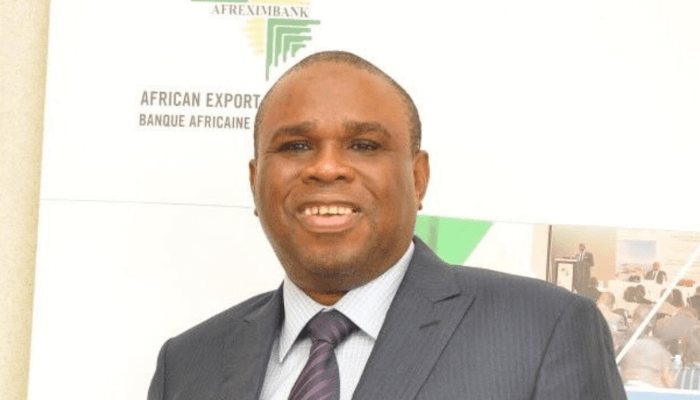
President of Afreximbank, Prof. Benedict Oramah, said the programme will create a ripple effect across the energy value chain.
“It will significantly impact the volume of refined petroleum products produced and consumed in Africa. We also expect enhanced marine cargo insurance, growth in shipping infrastructure, and broader investment in downstream logistics,” he stated.
Oramah further emphasised that the initiative will help ensure a larger proportion of the approximately 4 million barrels per day of crude oil produced in the Gulf of Guinea is refined and utilised locally.
President of Malawi, Lazarus Chakwera, described the initiative as a milestone in Africa’s journey towards energy independence.
“This is a clear demonstration of Africa’s resolve to take charge of its energy future. It will improve regional supply chains, retain value within the continent, and deliver real benefits to citizens through more stable and affordable access to petroleum products,” he said.
Applicants for the fund will be granted access after completing due diligence processes, including Know Your Customer (KYC) requirements. Financing will be disbursed through structured trade instruments such as Letters of Credit (LCs), LC discounting, and in some cases, direct prepayments or advances to African refineries on behalf of buyers.






 has unveiled a $3 billion financing programme aimed at strengthening intra-African ...)