







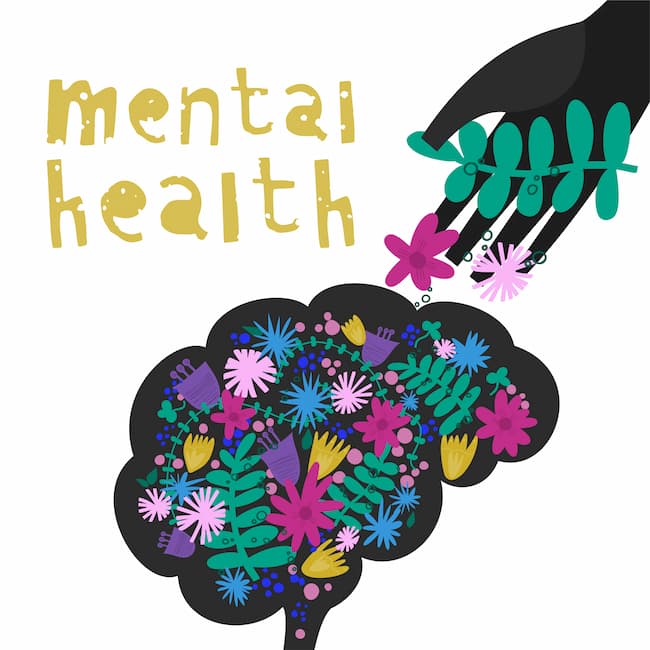
Here we are, October 10, 2025 – World Mental Health Day. It’s that one day a year when the world pauses to shine a light on something we all deal with but rarely talk about openly: our mental health. In Nigeria, though, it’s not just a day; it’s a stark reminder of a crisis bubbling under the surface.
You know, the kind that affects everything from your morning commute in Lagos traffic to boardroom decisions in Abuja. With estimates suggesting that around 20 to 40 million Nigerians are grappling with mental health issues – that’s roughly one in five people – it’s no exaggeration to say this is a national emergency. Depression rates here are among the highest globally, and anxiety isn’t far behind. But why? And more importantly, what can we do about it?
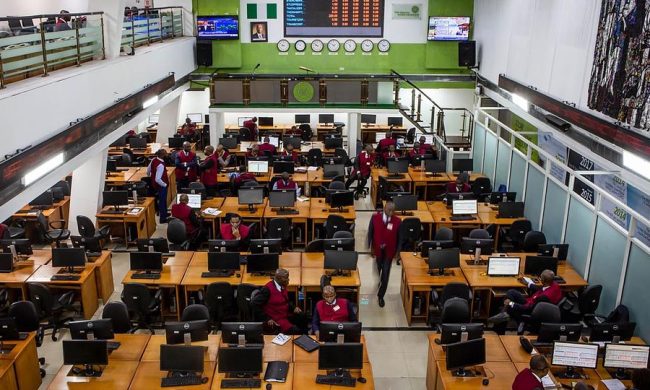
As professionals, investors, and entrepreneurs, we often view the economy through spreadsheets and stock tickers. Yet, mental health is the invisible thread weaving through it all. A stressed workforce means lower productivity, higher absenteeism, and ultimately, a drag on GDP. Think about it: if your team’s mental state is frayed, how can innovation thrive? This isn’t just personal; it’s business. Let’s unpack how everyday life in Nigeria chips away at the average person’s psyche, and then shift gears to solutions that could turn things around.
The Daily Grind: Economic Hardships That Hit Harder Than You Think
Picture this: You’re an average Nigerian, maybe a mid-level executive in a bustling firm or an entrepreneur hustling in the informal sector. The naira fluctuates wildly, inflation bites into your savings, and unemployment hovers like a persistent cloud. Economic hardship tops the list of mental health saboteurs here. Poverty doesn’t just empty pockets; it fills minds with constant worry. Will the next meal come? How to pay school fees? These questions aren’t abstract – they’re daily battles for millions.
Take unemployment, for instance. With youth joblessness pushing 40% in some regions, it’s no wonder depression and anxiety spike. I remember chatting with a friend in finance who lost his gig during the last economic dip. “It’s not just the money,” he said. “It’s the feeling of being stuck, like you’re failing your family.” That resonates, doesn’t it? And it’s not isolated. The World Health Organization notes that financial stress correlates directly with higher rates of mental disorders. In Nigeria, where over half the population lives below the poverty line, this creates a vicious cycle: poor mental health leads to reduced work output, which worsens economic woes.
But here’s a mild contradiction to chew on – while poverty grinds people down, it’s also forging resilience in unexpected ways. Some folks channel that pressure into side hustles, like turning home baking into a small business. Still, without support, that grit can crack under the weight.
Beyond the Wallet: Social and Cultural Pressures That Linger
Honestly, it’s not all about money. Dive a bit deeper, and you’ll find social expectations adding fuel to the fire. In Nigerian culture, there’s this unspoken rule: Be strong, provide, succeed – no matter what. For men especially, admitting vulnerability feels like defeat. Women juggle careers, homes, and societal judgments on top of it. Cultural stigma around mental health? It’s real and rampant. Many view depression as a sign of weakness or even spiritual affliction, pushing people to suffer in silence rather than seek help.
Then there’s political instability and corruption, which erode trust and breed hopelessness. Remember the protests a few years back? That collective frustration didn’t vanish; it simmers, manifesting as chronic stress. Insecurity – from banditry in the north to urban crime – keeps folks on edge. A recent report highlighted how armed conflicts and disasters affect over 200 million school-aged kids worldwide, with Nigeria bearing a heavy share, leading to PTSD and anxiety among the young.
Education plays a role too. Our system, often rote and high-pressure, leaves students burned out before they even hit the job market. As an entrepreneur, I’ve seen bright talents dimmed by this. And let’s not forget brain drain – skilled pros fleeing for greener pastures, leaving behind a void that stresses the remaining workforce.
These factors ripple out, affecting businesses big time. Investors, think about it: A mentally strained population means unstable markets and hesitant consumers. Executives, your teams’ well-being directly ties to your bottom line. It’s like a faulty engine in a high-speed train – ignore it, and derailment follows.
The Overlooked Crises: Health Gaps and Environmental Stressors
Shifting a tad, consider the healthcare angle. Nigeria’s mental health care gap is massive – 85% of those needing help don’t get it. Limited facilities, few specialists, and that pesky stigma again. In catastrophes like floods or conflicts, mental health takes a backseat, yet trauma lingers long after. The theme for this year’s World Mental Health Day – “Access to Services: Mental Health in Catastrophes and Emergencies” – couldn’t be more spot-on for us.
Environmental factors sneak in too. Urban chaos in cities like Lagos, with noise, pollution, and overcrowding, amps up anxiety. Rural areas face isolation and poor infrastructure. It’s a nationwide issue, cutting across classes, but hitting the average Joe hardest.
You might wonder, is there light at the end? Absolutely. But it requires action from all corners.
Charting a Path Forward: Simple Steps That Make a Difference
Here’s the thing: Fixing this isn’t rocket science, but it demands collective will. Start with the basics for individuals. Regular exercise – a brisk walk in the park – can work wonders for mood. Mindfulness practices, like deep breathing or journaling, help manage stress. Eat balanced meals; sleep well. Sounds straightforward, right? Yet in our hustle culture, we often skip these.
Seeking help is key. Hotlines, apps like those from NGOs, or therapists via digital platforms are game-changers. Organizations like Nigerian Mental Health or the ICRC offer support groups and sessions on self-care. Break the silence – talk to a friend, family, or pro. Remember, it’s wisdom, not weakness.
For businesses and executives: Implement workplace programs. Flexible hours, EAPs (Employee Assistance Programs), and mental health days boost morale and productivity. Investors, back startups in mental health tech – the market’s projected to hit $15.83 million this year. It’s good ethics and smart economics.
On a broader scale, policymakers must step up. The National Mental Health Act is a start; now enforce it with funding for services, especially in emergencies. Integrate mental health into public health like Nigeria’s doing with NTDs and HIV programs. Advocacy, scholarships for mental health pros, and community education can bridge gaps.
Communities play a role too. Normalize conversations – host local talks, use social media to share stories. Tie in cultural elements; blend traditional healing with modern care for holistic approaches.
Building Resilience: A Collective Effort
Wrapping this up, World Mental Health Day isn’t just a hashtag; it’s a call to rethink how we live and work in Nigeria. The affects – from economic strains to social stigmas – are profound, but so are the solutions within reach. As entrepreneurs and leaders, let’s lead by example: Prioritize mental health in our circles, advocate for policies, and foster environments where people thrive.
You know what? Small changes add up. Check in on a colleague today. Take that break you’ve been postponing. Together, we can shift from survival mode to true well-being. After all, a healthier mind means a stronger nation – economically and beyond. What’s your first step?