





KEY POINTS
- The maiden General Assembly of the African Asset Recovery Practitioners’ Forum will hold in Abuja from Nov. 17 to Nov. 20.
- The gathering will involve representatives from 54 African countries, with all countries expected to participate virtually.
- Participants will discuss ways to strengthen cooperation against corruption and illicit financial flows.
- The Assembly will also review progress and agree on strategic action plans for implementing Africa’s common asset recovery framework.
MAIN STORY
Representatives from 54 African countries are expected to participate in the maiden General Assembly of the African Asset Recovery Practitioners’ Forum (AARP-F), scheduled to hold in Abuja from Nov. 17 to Nov. 20.
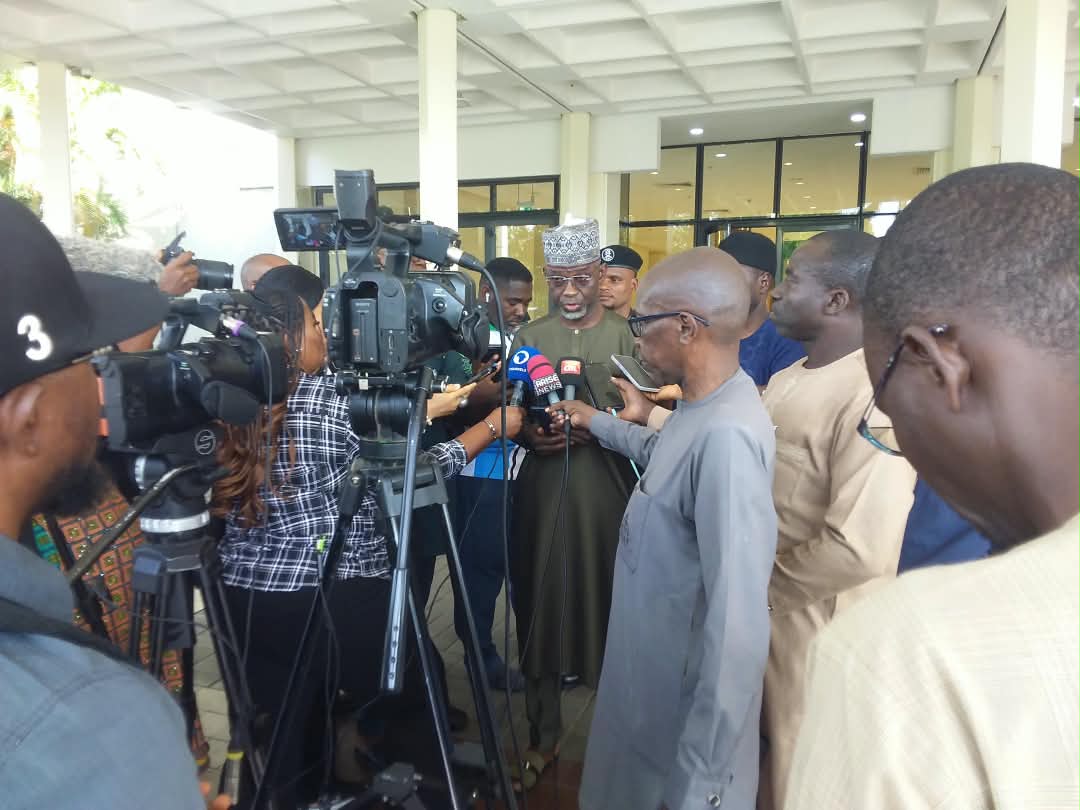
The Chairman of the Local Organising Committee, Prince Hassan Mohamed, disclosed this at a pre-conference media briefing in Abuja on Saturday.
Mohamed, who is also the Director of Special Services at the Independent Corrupt Practices and Other Related Offences Commission (ICPC), said the countries would participate in the Assembly, with all African countries expected to join virtually.
He said the gathering would provide a platform for African countries to coordinate efforts against corruption and illicit financial flows, which continue to deprive the continent of resources needed for development.
“The purpose of the programme is to harmonise, to synergise, synthesise, come up with strategies to deal with this menace,” he said.
The Assembly, themed “From Commitment to Action: Enhancing Africa’s Asset Recovery Architecture through Effective Implementation of the Common African Position on Asset Recovery (CAPAR)”, will bring together heads of anti-corruption agencies, asset recovery practitioners, representatives of Financial Intelligence Units and international partners.
Mohamed said the choice of Abuja offered Nigeria an opportunity to contribute to Africa’s collective asset recovery agenda under the African Union.
He said participants would exchange experiences, strengthen partnerships and develop strategies to improve cooperation across the continent.
The AARP-F was established in Nairobi, Kenya, in April 2025 to strengthen cooperation among asset recovery practitioners and support the implementation of CAPAR.
Mohamed said the African Union considered it important to establish the forum to ensure that recovered assets were used for the benefit of citizens.
THE ISSUES
Asset recovery involves identifying, tracing, freezing and returning money or property obtained through corruption and other financial crimes.
The process can be difficult when funds or assets are moved across borders. Investigators may need information from financial institutions and authorities in different countries before they can trace ownership, establish links to criminal activity and secure the return of assets.
This makes cooperation important. A country investigating suspected illicit funds may not have direct access to financial records or property information held in another jurisdiction.
The AARP-F is intended to provide a platform for practitioners to share information and improve coordination. However, the recovery of assets is only one part of the challenge. Governments must also ensure that returned funds and property are properly managed and used for public benefit.
The implementation of CAPAR will therefore be important in determining whether the Assembly’s discussions lead to practical improvements in asset recovery across Africa.
WHAT’S BEING SAID
“Every successfully recovered public asset represents an opportunity to redirect resources towards the needs of citizens, improve public service delivery, strengthen institutions and rebuild confidence in governance systems.”
- Prince Hassan Mohamed, Chairman, Local Organising Committee.
WHAT’S NEXT
Mohamed said participants would review progress in implementing the continental asset recovery framework, adopt governance instruments and agree on strategic action plans.
He urged African governments and other stakeholders to ensure that CAPAR became a practical guide for national and regional action rather than remaining a policy document.
He also called for stronger partnerships, improved information exchange and more effective international cooperation, noting that no single country could tackle transnational financial crimes alone.
BOTTOM LINE
The Abuja Assembly will test how far African countries can move from shared commitments on asset recovery to coordinated action. Its significance will depend on whether participating governments translate the proposed strategies into stronger cooperation, successful recoveries and transparent use of returned assets.