







By Annette Ikponmwonba | November 10th, 2026
Key Points
· The APC Presidential Campaign Council has praised President Tinubu for showing courage in tackling Nigeria’s economic challenges, especially fuel subsidy removal and foreign exchange unification
· Spokesperson Dele Alake spoke on Tuesday at the unveiling of the party’s 2027 manifesto, “From Reforms to Prosperity,” in Abuja
· Alake said Tinubu put national interest ahead of personal political ambition in carrying out difficult reforms
· He alleged that powerful interests had exploited the subsidy regime through smuggling and fraudulent claims, and are now fighting back
· He said the old forex system let well-connected people obtain dollars at the official rate and sell at higher rates, contributing to the naira’s free fall
· Opposition leaders blame the reforms for economic hardship, while the Presidency says they are yielding results
Main Story
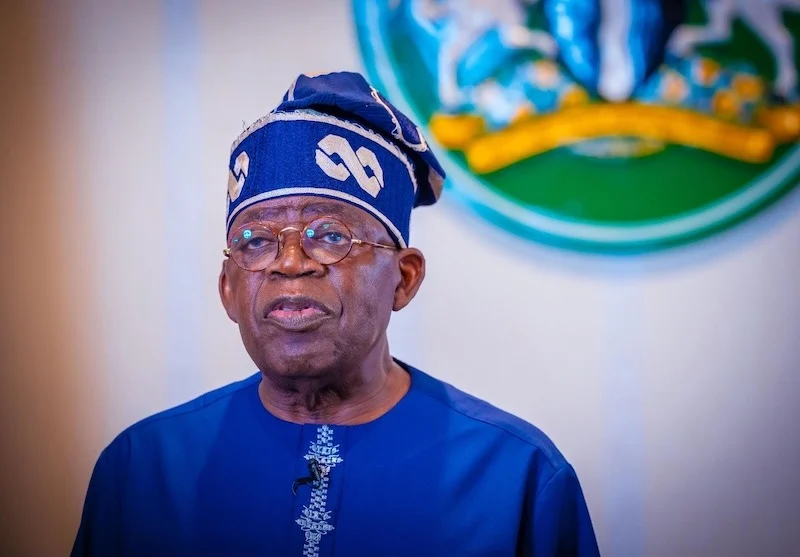
The All Progressives Congress Presidential Campaign Council has hailed President Bola Tinubu for demonstrating courage in tackling Nigeria’s economic challenges, particularly through the removal of the fuel subsidy and the unification of the foreign exchange market, despite the potential political consequences. Council spokesperson and Minister of Solid Minerals Dele Alake said this on Tuesday at the unveiling of the party’s 2027 manifesto, tagged “From Reforms to Prosperity,” in Abuja.
Alake said Tinubu prioritised national interest over personal political ambition. “Regardless of the political consequences, or even the President’s own political situation and aspirations, he carried out genuine structural reforms. And that is the kind of person Bola Ahmed Tinubu is. He does not think of himself; he thinks of the nation, and that is what a statesman should do,” he said.
He argued that ordinary politicians avoid contentious policies that could hurt their election chances, but that Tinubu confronted the problems directly. On the subsidy, he said it was one of the pillars of Nigeria before 2023 and that removing it was not as simple as it looks.
The Issues
The council’s argument is that both reforms took courage because of entrenched interests that benefited from the old arrangements. Alake alleged that powerful groups exploited the fuel subsidy through smuggling, fraudulent claims and other illicit practices, and that those benefiting are resisting its removal. “It takes a man of courage, a man of grit, brains and brawn, to withstand the pressure of the cabal, which would fight back, and they are fighting back over the removal of fuel subsidy,” the council said.
On the foreign exchange market, Alake described a system in which people with connections to CBN authorities or top officials could obtain millions of dollars at the official rate and pass it to the Bureau de Change market, becoming rich without contributing to production. He said this contributed to the naira’s free fall, and that Tinubu “looked that problem in the face, confronted it and normalised the situation., These are the campaign council’s own characterisations, offered at a manifesto launch. The reforms also carried real costs for households, and the allegations of abuse under the old regimes were not accompanied by specific evidence in the report.
What’s Being Said
Alake framed the President as a statesman rather than a politician. “He did not think, ‘Oh, these policies might bring some pain or challenges or cause some unease among the public, so they could affect my political aspirations. I won’t implement them.’ No, he didn’t do that. He put the nation first, before his own desires. And that’s why he was able to look at those problems straight in the face and confront them,” he said.
The report notes that Tinubu announced the subsidy removal on assuming office on May 29, 2023, and introduced naira exchange rate unification weeks later. The policies drew mixed reactions, with some Nigerians questioning their necessity and others arguing they would lay a foundation for long-term growth, Ahead of the January 16, 2027 presidential election, opposition leaders have criticised the reforms and blamed them for economic difficulties, while the Presidency maintains the policies are yielding the desired results.
What’s Next
The manifesto, “From Reforms to Prosperity,” sets the APC’s pitch for the 2027 campaign, with the council expected to keep presenting the reforms as the foundation for future growth. Opposition candidates are likely to keep challenging that claim, particularly on cost of living and fuel prices, Attention will turn to how voters weigh the reforms’ short-term pain against the promised long-term benefits as the January 16 election approaches.
Bottom Line
The APC is building its 2027 case on the argument that Tinubu chose hard reforms over political safety, while opposition parties point to hardship, leaving voters to judge whether the courage the council describes has translated into relief.