










By Emmanuella Opara | November 10th 2026
KEY POINTS
- The Economic and Financial Crimes Commission is investigating the spending of all 774 local government chairmen across Nigeria.
- The probe is focused on accountability, financial management and the impact of local government autonomy on grassroots development.
- EFCC zonal directorates are handling the investigation across the 36 states and the Federal Capital Territory.
- The exercise follows the Supreme Court’s July 2024 judgment granting local governments financial autonomy.
- The commission had previously announced plans to monitor council budgets and prosecute officials found diverting public funds.
MAIN STORY
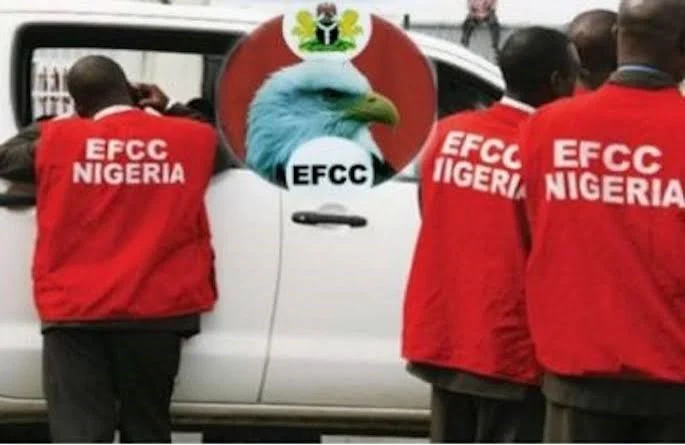
The Economic and Financial Crimes Commission (EFCC) has launched investigations into the management and expenditure of public funds by all 774 local government chairmen in Nigeria following the implementation of financial autonomy for the councils.
The investigation, which is being handled discreetly by the commission’s zonal directorates across the 36 states and the Federal Capital Territory, is intended to establish whether local government authorities are managing their allocations transparently and using the funds to deliver development projects.
Sources within the anti-graft agency told The PUNCH that the exercise would examine the financial management capacity of council chairmen, their accountability standards and the extent to which financial autonomy has improved service delivery at the grassroots.
One of the sources said the commission was assessing developments in local governments before and after the autonomy arrangement to determine whether independent access to funds had produced measurable improvements.
The source said, “All the local governments across the country are being investigated. It’s discreetly being done. You know the Supreme Court ruling granted them financial autonomy. We want to know whether they are accountable.
“We want to see their definite impact on the economy as a result of the financial autonomy that has been granted them. We want to see whether they have the necessary managerial skills, and whether their integrity quotient is high.”
The investigation follows the Supreme Court’s July 11, 2024 judgment affirming the financial independence of Nigeria’s local government councils and barring state governors from controlling or withholding their statutory allocations.
The Federal Government had instituted the suit in May 2024 through the Attorney-General of the Federation and Minister of Justice, Lateef Fagbemi, challenging the practice of governors controlling local government funds and replacing elected councils with caretaker committees.
In its ruling, a seven-member panel led by Justice Garba Lawal declared that governors could not constitutionally control allocations meant for local governments. The court also directed the Accountant-General of the Federation to pay the funds directly into local government accounts.
The judgment was intended to strengthen grassroots administration by allowing elected council officials to independently manage their finances and implement development programmes.
However, concerns about accountability and the use of the funds prompted the EFCC to announce plans to monitor local government expenditure.
In October 2024, EFCC Chairman Ola Olukoyede said the commission would track the budget performance of councils to ensure that allocations were spent on approved projects and programmes.
He also said the commission would collaborate with relevant stakeholders to monitor expenditure and prosecute officials found to have violated financial regulations.
“We are fully prepared to ensure accountability in the use of local government funds. One of the reasons that informed the decision to establish additional zonal directorates by the commission is the need to improve the commission’s presence and coverage of the country.
“We’ll work closely with stakeholders in tracking the budget performance of the councils, to ensure that funds appropriated are used for specified purposes and those who violate the law will be brought to justice,” Olukoyede said.
The EFCC’s latest investigation is therefore aimed at examining whether the financial independence granted to local governments has translated into improved financial discipline and development at the grassroots.
Efforts to obtain comments from the commission’s spokesman, Dele Oyewale, were unsuccessful as of Monday night.
THE ISSUES
The investigation brings renewed attention to the accountability challenges associated with local government financial autonomy.
Although the Supreme Court’s judgment was designed to give councils greater control over their allocations, independent access to public funds also increases the responsibility of elected officials to demonstrate transparency and prudent financial management.
The EFCC’s assessment of spending patterns before and after the judgment could provide insight into whether the autonomy arrangement has improved the delivery of basic services and development projects.
However, the investigation itself does not establish wrongdoing by the chairmen. Its findings will determine whether there are cases requiring further action by the anti-graft agency.
WHAT’S BEING SAID
“We are fully prepared to ensure accountability in the use of local government funds,” Ola Olukoyede, EFCC Chairman, said.
WHAT’S NEXT
The commission is expected to continue its investigations through its zonal directorates, examining council expenditure and the implementation of approved budgets.
Findings from the exercise could determine whether individual council officials will face further investigation or prosecution over suspected financial misconduct.
BOTTOM LINE
The EFCC’s investigation of all 774 local government chairmen marks a major accountability test for Nigeria’s local government autonomy arrangement. Beyond granting councils control over their allocations, the focus is now on whether the funds are being properly managed and translated into measurable development at the grassroots.


 has launched investigations into the management and expenditure of public funds by all...)