







By Prince Debo Luwaji
For many sub-nationals, a desire to replicate the fiscal achievements of Lagos State is understandable. On several occasions in the life of the current Governor Babajide Sanwo-Olu’s administration, the state has hosted fact-finding officials from different states of the federation, whose mission in each case was to understudy the operational models that had brought Lagos State so much success in revenue collection and multilevel infrastructural development. It must be worth knowing, really, how, despite the prevailing national and global economic challenges, Lagos State has continued to sustain and strengthen its position as Nigeria’s indisputable economic hub.
Relying on a combination of strategic fiscal reforms, technology-driven revenue systems, disciplined financial management and unrelenting infrastructural upgrades, it is not altogether difficult to understand why the state’s budget has risen from N700bn to N4.2tn in seven years. Nor would any analyst familiar with the Lagos performance trajectory in the last few decades consider Governor Babajide Sanwo-Olu’s assertion that Lagos is targeting $1 trillion GDP by 2052 an empty, unrealistic boast.
In my earlier piece, I referred to the undeniable benefits Lagos has enjoyed working with experts with proven competencies outside the government for technical support and creative solutions, assisting the state to tap into the vast possibilities along the revenue chain. The chief objective here is to work with LIRS to curtail previously widespread abuses by putting in place a variety of transparent, easy-to-understand digital solutions to tackle tax avoidance and underpayments. Here, and this is sad, the role of corporate entities like Alpha-Beta Consulting LLP – and I believe there are many such entities in the government-private partnerships that Lagos State has had to depend on over the years and across the broad spectrum of its governance – is often misrepresented. However, notwithstanding the mischief or ignorance that sometimes fuel the spread of the negative narrative about such relationships, the fact that the state keeps posting marvelous results year after year is proof that the partnership works.
Already, the evidence of an emerging super city is indisputably visible everywhere you turn. For instance, the mission to achieve a total transformation of the entire transport system is being pursued with persistent passion, involving expansion of road, rail and sea transportation. In this wise, the Opebi Link Bridge is the latest in the current administration’s unbroken commitment to addressing road network accessibility, minimizing traffic jams and solving some of the state’s age-long commuting problems.
Again, since September 4, 2023, when the Blue Line officially commenced commercial passenger operations, the mass transit has provided convenient and comfortable movement to millions of Lagosians, running through the usually congested corridor of Marina through National Theatre, Iganmu and Alaba up to Mile 2. Now, what a joy that the Lagos State Metropolitan Area Transport Authority (LAMATTA) has announced that, effective February 2027, three additional stations are coming on the Rail Mass Transit Blue Line Phase Two, namely Festac, Alakija and Trade Fair, thus increasing the number of operational stations on this rail corridor from five to eight.
As an assurance of the continuity of the Lagos developmental plan, it is noteworthy that the current Deputy Governor and APC governorship candidate in Lagos, Dr. Obafemi Hamzat, has announced that the proposed Fourth Mainland Bridge, earlier estimated at N844 billion when originally conceived but now estimated to cost around $2.5 billion, would become a reality during his incoming administration. For good measure, this is a 38-kilometre ring road and tolled bridge designed to connect the Lekki-Ajah axis to Ikorodu and the all-important gateway Lagos-Ibadan Expressway.
A comprehensive water-based transportation initiative is also in the works under the $454m Omi Eko project, effectively backed by a consortium of international financiers including the European Union, the European Investment Bank and the French Development Agency. This ambitious project, which is being implemented by the Lagos Waterways Authority, involves dredging and marking 140 km of inland waterways, upgrading 25 ferry terminals and introducing a fleet of more than 70 electric-powered ferries.
According to the Special Adviser to the Governor on Tax and Revenue, Abdul-Kabir Opeyemi Ogungbo, “Becoming Africa’s leading modern mega-city must go beyond mere lip service. The task itself is not just enormous but goes two ways. In a democracy where the people are the focal point of responsible governance, it is certainly not enough to expand the tax net for improved revenue generation without the corresponding investment in infrastructure at the different levels that would make living and doing business in Lagos a more comfortable experience for the vast majority of the people. This is Mr. Governor’s mindset.”
So, from Ikorodu to Badagry, Lekki to Epe to the free trade zone, the Lagos State masterplan, pursued with unrelenting vigour since the Bola Ahmed Tinubu era, is an ambitious, multidimensional expansion agenda that seeks to shift the focus of the state’s 22 million population and the daily arrivals of countless migrants from the traditionally congested commercial centres of Ikeja and Lagos Island to the hinterlands and other parts of the state.
The Lagos State Government and federal partners are already executing a comprehensive multi-billion development strategy to transform the Badagry axis into a major economic, industrial and maritime hub. A key part of this plan is the $2.59 billion greenfield deep-sea port approved under a Public-Private Partnership (PPP) and Build-Own-Operate-Transfer (BOOT) model.
Similarly, the Lekki Free Trade Zone, from which the globally famous Dangote Refinery now operates, the ongoing joint ventures like the $1.3bn Lekki Deep Sea Project, as well as the $900m Lekki-Epe International Airport, are all meant to fit into the broad masterplan of a beautiful and functional city that is comparable to anywhere else in the world with comparable history.
All said, I believe the aggressive digital transformation and reforms in tax administration which have worked well for Lagos can be replicated anywhere else, provided there is the political will to follow through, be people-minded in the implementation strategy while ignoring the inevitable naysayers. Without doubt, the higher the goals, the more imperative it is to collaborate with others who have the expertise to guide and turn dreams into reality.
My suspicion, however, is that many of those sub-nationals that desire the kind of impressive results of Lagos State in IGR are probably not comfortable with the transparency which the current reforms compel: an all-open, trackable model which makes it easy, at the press of a button, to capture all incoming revenue and show the prevalent serial gaps to be blocked. There are many beneficiaries of the loopholes in the government revenue collection and administration value chain who would balk at the idea of any tech solutions that lay everything bare!
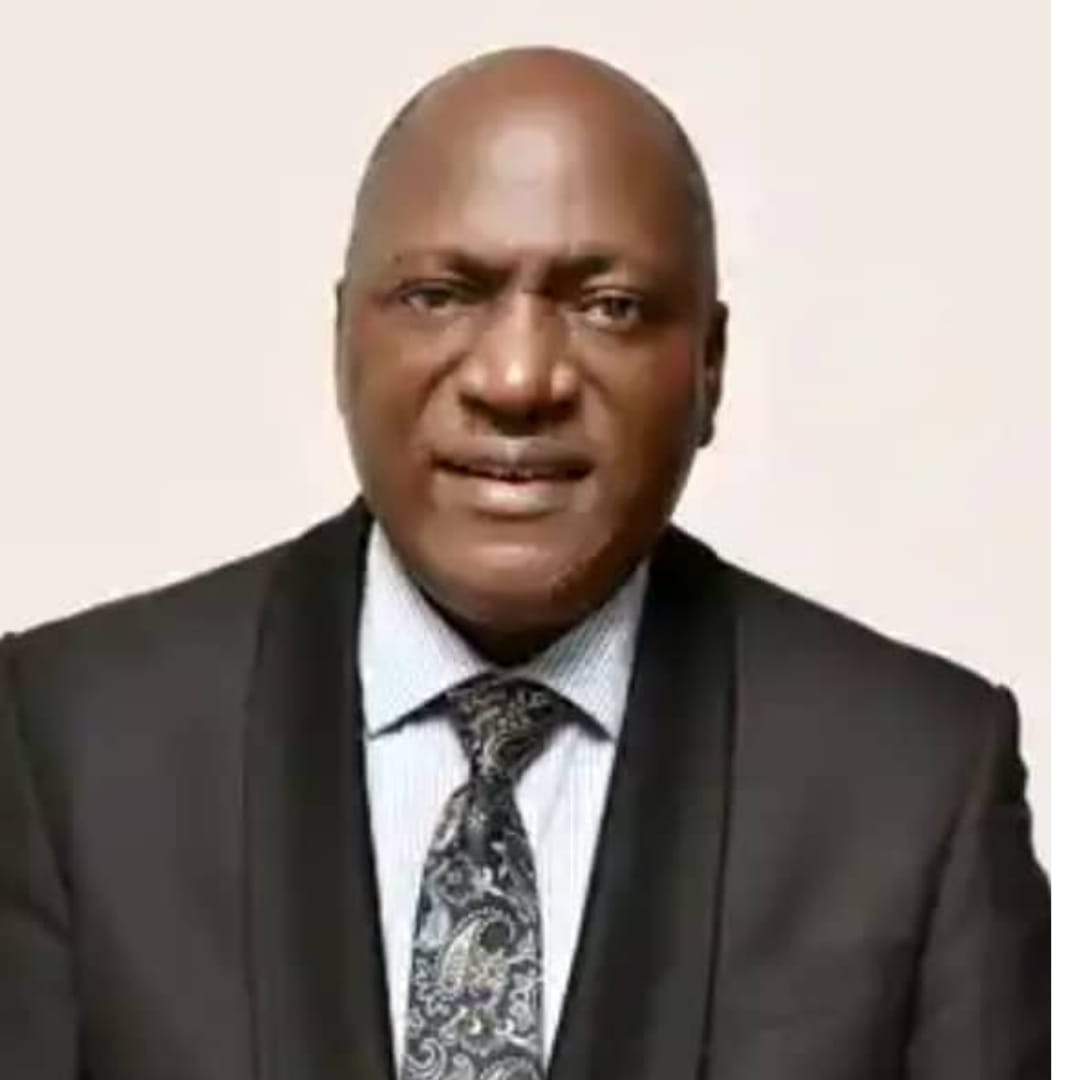
Prince Debo Luwaji is an Entrepreneur and Public Affairs Analyst.
Disclaimer: This is an opinion piece. The views and claims expressed are the author’s own and do not represent the position of BizWatch Nigeria or its editorial team.