





KEY POINTS
- Americans are voting today in midterm elections that will determine control of the US Senate and House of Representatives.
- Republicans currently control both chambers, while Democrats are seeking to regain majorities.
- President Donald Trump’s policies, the cost of living, government corruption and the Iran war have dominated the campaign.
- The results will determine the extent of congressional oversight over Trump’s second administration.
MAIN STORY
Americans are heading to the polls today in midterm elections that will determine whether Republicans retain control of Congress or Democrats gain the power to challenge President Donald Trump’s legislative agenda and increase scrutiny of his administration.
Both chambers of Congress, the Senate and House of Representatives, are currently controlled by Republicans. Democrats are seeking to overturn those majorities, making the elections a significant test of public opinion on Trump’s second presidency.
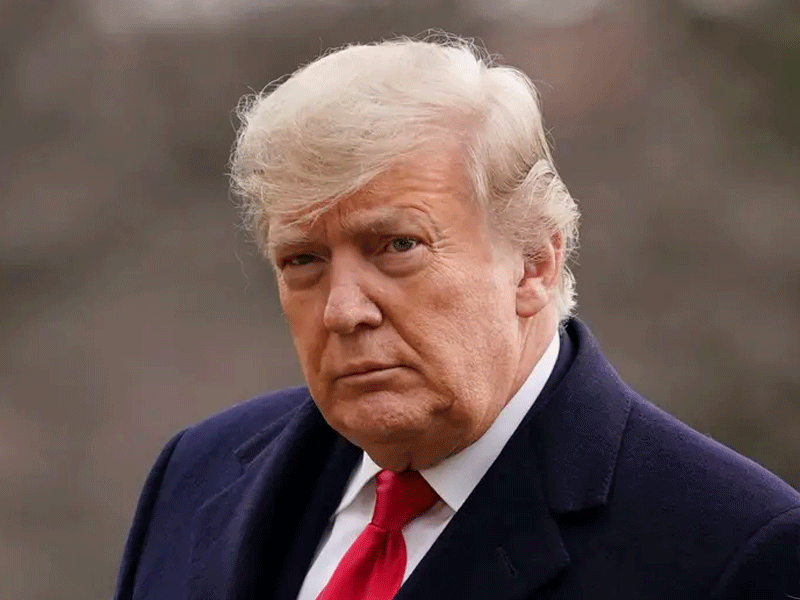
The president has featured prominently throughout the campaign, holding rallies across the country and urging his Make America Great Again (MAGA) supporters to vote for Republican candidates. Democrats, meanwhile, have built their campaign around opposition to his administration’s policies, particularly its immigration crackdown, trade tariffs and military action against Iran.
The economic consequences of these policies have become a major campaign issue, especially as Americans contend with rising living costs. The war involving Iran has contributed to higher global oil prices, increasing the cost of petrol for motorists and diesel for farmers and businesses. Democrats have used these pressures to challenge Trump’s promise to make life more affordable for Americans.
Alongside the cost-of-living debate, concerns about corruption have also featured in the campaign. A Harris poll conducted for The Guardian found that 76% of respondents believed elected officials cared more about enriching themselves than improving the economy for ordinary people.
Scrutiny has also focused on Trump’s personal business interests. Disclosures to the US Office of Government Ethics put his earnings since returning to the White House at approximately $2.2 billion, including income from his branded cryptocurrency. Democrats have cited concerns about the president’s business interests as part of their broader criticism of his administration.
These economic and governance concerns have shaped the contest for congressional control. Opinion polls published before election day indicated that Democrats were competitive in several key Senate races, while the party was also seeking to regain the House. However, the Senate contest presented a different challenge because Democrats needed to make gains in Republican-held states.
The election has also drawn attention to the administration’s handling of electoral processes. In Alaska, the US Justice Department filed a lawsuit seeking to prevent certification of Senate results in certain circumstances, citing possible voter confusion over candidates with similar names. A judge subsequently dismissed the case. The department has also planned to deploy 1,000 election monitors across the country, a move criticised by opponents as potentially intimidating to voters.
THE ISSUES
The outcome will determine how much room Trump has to pursue his policies during the remainder of his presidency. If Republicans retain both chambers, the administration will continue to operate with congressional majorities supporting its legislative priorities. If Democrats gain control of either chamber, they will have greater influence over legislation, government spending and investigations into the administration.
For businesses and investors, the result matters because Congress has a role in shaping taxation, trade policy, federal spending and economic regulation. Changes in congressional control could affect how readily the administration advances its policy proposals, including its approach to tariffs and international trade.
The election also carries implications for energy markets and the wider economy. The conflict with Iran has linked US foreign policy to domestic inflation concerns through its effect on oil prices, making the economic consequences of the administration’s decisions a central part of the political debate.
WHAT’S NEXT
Attention will turn to the results of the congressional races and the balance of power in both chambers. The outcome will determine the extent of Democratic influence over legislation and oversight, as well as the political support available to Trump for the rest of his term.
BOTTOM LINE
Today’s US midterm elections will determine who controls Congress and how much legislative and political scrutiny Trump’s administration faces. The results will also provide an indication of how voters are responding to the administration’s economic, domestic and foreign policies.