





KEY POINTS
- Russian Foreign Minister Sergey Lavrov has denied that Moscow sponsored Nigerian youths who waved Russian flags during the 2024 #EndBadGovernance protests.
- Lavrov said the protesters acted in their personal capacity and that their actions did not represent official Russian support.
- The protests, held from August 1 to 10, 2024, were driven by the high cost of living and economic hardship.
- Lavrov said Russia’s scholarship programme for Nigerians reached 220 awards in 2026.
- He also described Russia’s diesel supply agreement with the United States as a commercial decision that would not affect the interests of Moscow’s allies.
MAIN STORY
Russian Foreign Minister Sergey Lavrov has denied allegations that the Russian government sponsored Nigerian youths who waved Russian flags during the August 2024 #EndBadGovernance protests, saying Moscow had no involvement in the action.
Lavrov spoke in Moscow on the sidelines of the Third Russia-Africa Summit in response to a question from the News Agency of Nigeria (NAN). He distanced Russia from any attempt to undermine Nigeria’s sovereignty and described relations between the two countries as strong and longstanding.
According to him, individuals who displayed Russian flags during the protests did so in their personal capacity, and their actions should not be interpreted as evidence of official Russian support.
“Anyone, who donned the Russian flag, did so in his or her personal capacity. It does not mean that Russia was in support of this kind of action.
“A lot of citizens sympathetic to Palestinians wave Palestinian flags to express solidarity. It does not mean the Palestinian government is behind them,” Lavrov said.
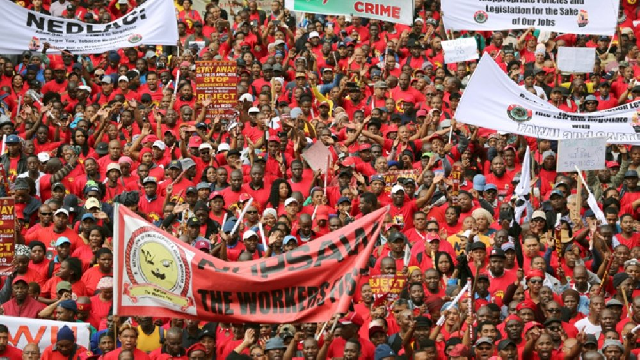
The nationwide #EndBadGovernance protests took place from August 1 to 10, 2024, as Nigerians demonstrated against the high cost of living and worsening economic hardship.
During the demonstrations, some protesters, mainly youths and minors in Kano, Kaduna, Zamfara and Abuja, were seen waving Russian flags and chanting slogans calling for military intervention.
The Federal Government described the action as treasonable and a threat to Nigeria’s sovereignty. The incident led to the arrest of scores of protesters and some tailors accused of sewing the flags. Russia’s embassy in Abuja also denied involvement at the time.
Lavrov said relations between Russia and Nigeria had developed over several decades, dating back to the former Soviet Union. He cited educational cooperation as one area of engagement, saying the number of scholarships awarded to Nigerians had reached 220 in 2026.
He also recalled his 2024 visit to Abuja, where he met his Nigerian counterpart, saying the engagement had helped strengthen bilateral relations.
On Russia’s defence agreements with some countries in the Sahel, Lavrov said Moscow was helping to address security threats in the region. He alleged that some Western capitals were using Ukrainian mercenaries to undermine those efforts, drawing a comparison with Libya.
The minister also addressed Russia’s recent diesel supply agreement with the United States, describing it as a commercial arrangement rather than a political shift that would undermine Moscow’s relationships with its allies.
“The diesel agreement with the U.S. is purely a business decision by two world leaders who are concerned by the rising cost of energy,” he said.
THE ISSUES
The dispute over Russian flags during the 2024 protests highlights the sensitivity surrounding foreign symbols and calls for military intervention during periods of domestic political and economic tension.
Displaying another country’s flag does not, on its own, establish that the country’s government organised or supported the action. Lavrov’s comments restate Moscow’s denial of involvement, while the supplied report does not provide independent evidence establishing who organised the flag display.
For Nigeria, the incident raised concerns about sovereignty and the possibility of external influence during protests driven by domestic economic grievances. The arrests that followed also demonstrated the seriousness with which the authorities treated calls for military intervention.
Lavrov’s other remarks point to the range of issues shaping Russia-Nigeria relations, including education, security cooperation and energy. His comments on the diesel agreement also suggest that Moscow views commercial energy arrangements with Washington as separate from its relationships with other countries.
WHAT’S BEING SAID
- “Anyone, who donned the Russian flag, did so in his or her personal capacity. It does not mean that Russia was in support of this kind of action.” – Sergey Lavrov, Russian foreign minister.
- “A lot of citizens sympathetic to Palestinians wave Palestinian flags to express solidarity. It does not mean the Palestinian government is behind them,” – Sergey Lavrov.
- “The diesel agreement with the U.S. is purely a business decision by two world leaders who are concerned by the rising cost of energy,” – Sergey Lavrov.
WHAT’S NEXT
The supplied report does not identify any new investigation or government action arising from Lavrov’s latest comments. His remarks reiterate Russia’s denial of involvement in the 2024 flag display.
Russia and Nigeria continue to have areas of bilateral engagement, including educational cooperation. Lavrov’s comments on the Sahel and the diesel agreement also indicate that security and energy relations remain part of Moscow’s wider diplomatic agenda.
BOTTOM LINE
Lavrov has rejected claims that Russia sponsored protesters who waved its flags during Nigeria’s 2024 demonstrations. His denial comes as Moscow seeks to emphasise its longstanding relationship with Abuja, while the incident remains linked to wider concerns about sovereignty, economic hardship and foreign influence.
Source: News Agency of Nigeria (NAN)