








KEY POINTS
- The Federal Government says 44 close contacts have been identified following confirmation of an Ebola virus disease case in the Federal Capital Territory on October 20, 2026.
- The patient, a woman who arrived in Nigeria on an international flight from Uganda, is in isolation and receiving treatment.
- The NCDC, Federal Ministry of Health and Social Welfare, and FCT health authorities are coordinating contact tracing, surveillance and laboratory testing to prevent further transmission.
MAIN STORY
The Federal Government has intensified public health measures following confirmation of an Ebola virus disease (EVD) case in the Federal Capital Territory (FCT) on October 20, 2026, with 44 close contacts identified for monitoring.
The Ministry of Foreign Affairs disclosed this in a statement issued on Thursday by its spokesman, Oluwafemi Adeniyi, citing information provided by the Federal Ministry of Health and Social Welfare.
Adeniyi said the patient was a woman who recently arrived in Nigeria on an international flight from Uganda. She was admitted to a private hospital in the FCT, where she received medical care for several days before her diagnosis was confirmed.
The patient is currently in isolation and receiving treatment, according to the statement.
The government is coordinating its response through the Federal Ministry of Health and Social Welfare, the Nigeria Centre for Disease Control and Prevention (NCDC), and the FCT Health Services Secretariat to contain the infection and prevent further transmission.
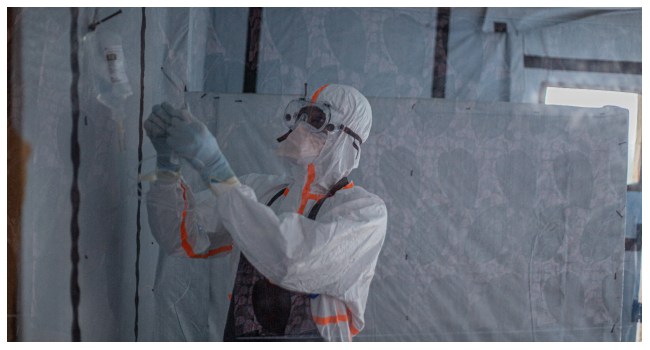
Contact tracing has commenced, with response teams working to identify, assess and monitor individuals who may have been exposed to the virus. Those being considered include healthcare workers, patients, caregivers and people linked to the patient’s travel.
Adeniyi said surveillance, laboratory testing and other response activities were also being coordinated in line with established public health protocols.
The government said the measures were intended to identify potential cases early, strengthen infection prevention and control, and reduce the risk of further transmission.
It urged Nigerians and other residents to remain calm, avoid speculation and misinformation, and follow advisories issued by the Federal Ministry of Health and Social Welfare, the NCDC and other relevant health authorities.
The Ministry of Foreign Affairs said it would continue liaising with national institutions and other stakeholders to support the coordinated response. Further updates, it added, would be issued through official channels as verified information becomes available.
THE ISSUES
The identification of 44 close contacts marks an important stage in the response, but the effectiveness of containment will depend on how quickly authorities can trace those exposed, monitor their health and identify any additional cases.
The patient’s admission to a private hospital before her diagnosis was confirmed also places attention on infection prevention and control across healthcare facilities. Health workers and other patients may require assessment if they had contact with the patient during the period in which she received care.
Her recent arrival from Uganda makes the reconstruction of her travel history relevant to determining where exposure occurred and whether anyone else may have been exposed before she was isolated. The statement, however, does not establish where the infection was contracted or whether transmission occurred within Nigeria.
Public communication is another part of the response. Accurate, timely updates can help people understand official guidance without relying on unverified reports. At the same time, the authorities will need to provide sufficient information about contact tracing and surveillance to demonstrate how the situation is being managed.
WHAT’S BEING SAID
“The patient is a woman who recently arrived in Nigeria on an international flight from Uganda.” – Oluwafemi Adeniyi, Ministry of Foreign Affairs spokesman
“She was subsequently admitted to a private hospital in the FCT, where she received medical care for several days before her diagnosis was confirmed; the patient is currently in isolation and receiving treatment.” – Oluwafemi Adeniyi, Ministry of Foreign Affairs spokesman
“Members of the public are urged to remain calm, avoid speculation and misinformation, and adhere strictly to advisories issued by the Federal Ministry of Health and Social Welfare, the NCDC and relevant health authorities.” – Oluwafemi Adeniyi, Ministry of Foreign Affairs spokesman
“The public is encouraged to rely exclusively on verified information from official government channels.” – Oluwafemi Adeniyi, Ministry of Foreign Affairs spokesman
WHAT’S NEXT
The immediate priority is to complete contact tracing and monitor the 44 identified close contacts, while assessing whether further individuals need to be added to the list. Updates on their status and any additional suspected or confirmed cases would help clarify the extent of the public health risk.
Authorities are also expected to continue surveillance, laboratory testing and infection prevention measures in relevant healthcare facilities. Further information about the patient’s travel history and the investigation into the source of exposure could help establish whether the infection was acquired outside Nigeria or involved any local transmission.
The government has said it will issue further updates through official channels as verified information becomes available. The scale of any additional response will depend on findings from the ongoing investigation.
BOTTOM LINE
The Federal Government has identified 44 close contacts following confirmation of an Ebola case in Abuja and is coordinating a response involving the NCDC, federal health authorities and the FCT health services. The priority is to trace and monitor exposed individuals, prevent further transmission and provide reliable public information as investigations continue.
Source: NAN



 ...)