











Key Points
- INEC Chairman Joash Amupitan says AI-driven disinformation threatens the credibility of the 2027 general election.
- Commission is auditing its electoral technology and considering a mock presidential election.
- INEC says its response will focus on faster, clearer information rather than restricting legitimate journalism or civic dissent.
Main Story
The Independent National Electoral Commission (INEC) has warned that the growing use of artificial intelligence to create and spread disinformation could threaten the credibility of Nigeria’s 2027 general election.
INEC Chairman, Prof. Joash Amupitan, gave the warning in a keynote address at the 13th Annual International Conference of the Association of Communication Scholars and Professionals of Nigeria (ACSPN) in Abuja on Wednesday.
Amupitan, who was represented by National Commissioner Sani Adam, said generative AI had made manipulated video, audio and images cheaper to produce and increasingly difficult to detect.
He cited documented cases of manipulated political content during recent elections in West and East Africa, including material circulated during Nigeria’s 2023 presidential election.
According to him, such content can reach millions of social media users before it is verified, while algorithmic micro-targeting can allow different and conflicting messages to be directed at specific groups of voters.
He said the challenge was therefore not limited to fabricated content but also involved creating an information environment in which voters could receive conflicting narratives without a common factual basis.
Amupitan said public confidence in INEC would depend partly on how well voters understood and trusted information about the electoral process, including the integrity of the ballot, the Bimodal Voter Accreditation System (BVAS) and result sheets.
He said the deployment of BVAS and the INEC Result Viewing Portal (IReV) was intended to strengthen confidence by allowing citizens to view polling-unit results before the collation process.
However, he acknowledged that the 2023 election showed how technological failures could themselves become a source of public distrust.
The Issues
The growing use of generative AI creates a particular challenge for election management because manipulated political material can be produced and distributed rapidly, making verification difficult before false information gains traction.
Amupitan said INEC was therefore undertaking a comprehensive audit of its electoral technology systems, including system redundancy, penetration testing and disaster recovery planning.
The commission is also exploring a mock presidential election ahead of 2027 to test accreditation, result transmission and results viewing under conditions similar to election day.
Amupitan said INEC had proposed a substantial budget for the 2027 election, with significant allocations for technology and election operations, including new accreditation devices to replace equipment lost or damaged during the previous election.
He said full release of the funds was still awaited, although INEC’s ICT team had begun engaging manufacturers on procurement while preparations for the technology audit and possible mock election continued.
What’s Being Said
“INEC’s credibility now rests as much on how information about its processes was understood and trusted, especially on the integrity of the ballot, the BVAS and result sheets.” – Prof. Joash Amupitan, INEC Chairman.
“Solutions adopted elsewhere must be adapted to Nigeria’s own realities of internet access, language diversity and institutional trust.” – Prof. Joash Amupitan.
Amupitan said INEC would seek to counter disinformation by providing better and faster information rather than restricting legitimate journalism or civic dissent.
What’s Next
INEC will continue preparations for the 2027 election alongside its technology audit and budget finalisation.
The commission is also considering a mock presidential election to test key electoral technology and procedures before the general election.
Amupitan said INEC would strengthen its approach to electoral technology and transparency while taking account of Nigeria’s internet access, linguistic diversity and institutional environment.
Bottom Line
INEC says AI-generated disinformation has become a significant threat to public confidence in elections ahead of 2027. The commission is responding with a technology audit, possible mock presidential election and a focus on faster public information rather than restrictions on legitimate civic and media activity.






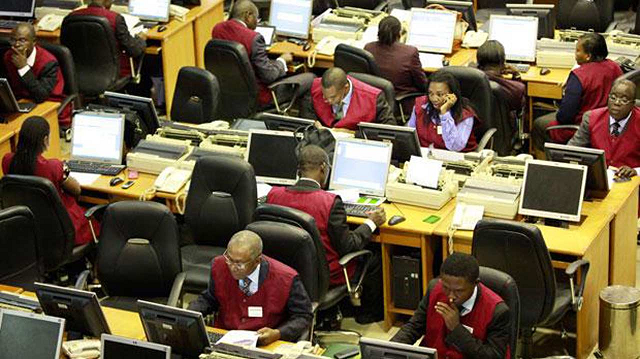


 has warned that the growing use of artificial intelligence to create and spread ...)