




Key points
- Nigeria is set to conduct a new national baseline survey on illicit small arms and light weapons to replace data from the 2016 exercise.
- NCCSALW Director-General, retired DIG Johnson Kokumo, said the existing data no longer reflects the country’s current security landscape.
- The new survey will be Nigerian-owned and led primarily by Nigerian experts, with technical support from international partners.
- UNODA says changes in arms sources, trafficking routes, storage, tracing and marking, as well as the activities of non-state armed groups, have made updated data necessary.
- The survey is expected to strengthen national security planning and policymaking while building Nigeria’s capacity to conduct future arms-control surveys.
Main Story
Nigeria is set to conduct a new national baseline survey on illicit small arms and light weapons to update data generated from the country’s 2016 exercise, which authorities say no longer adequately reflects the current security situation.
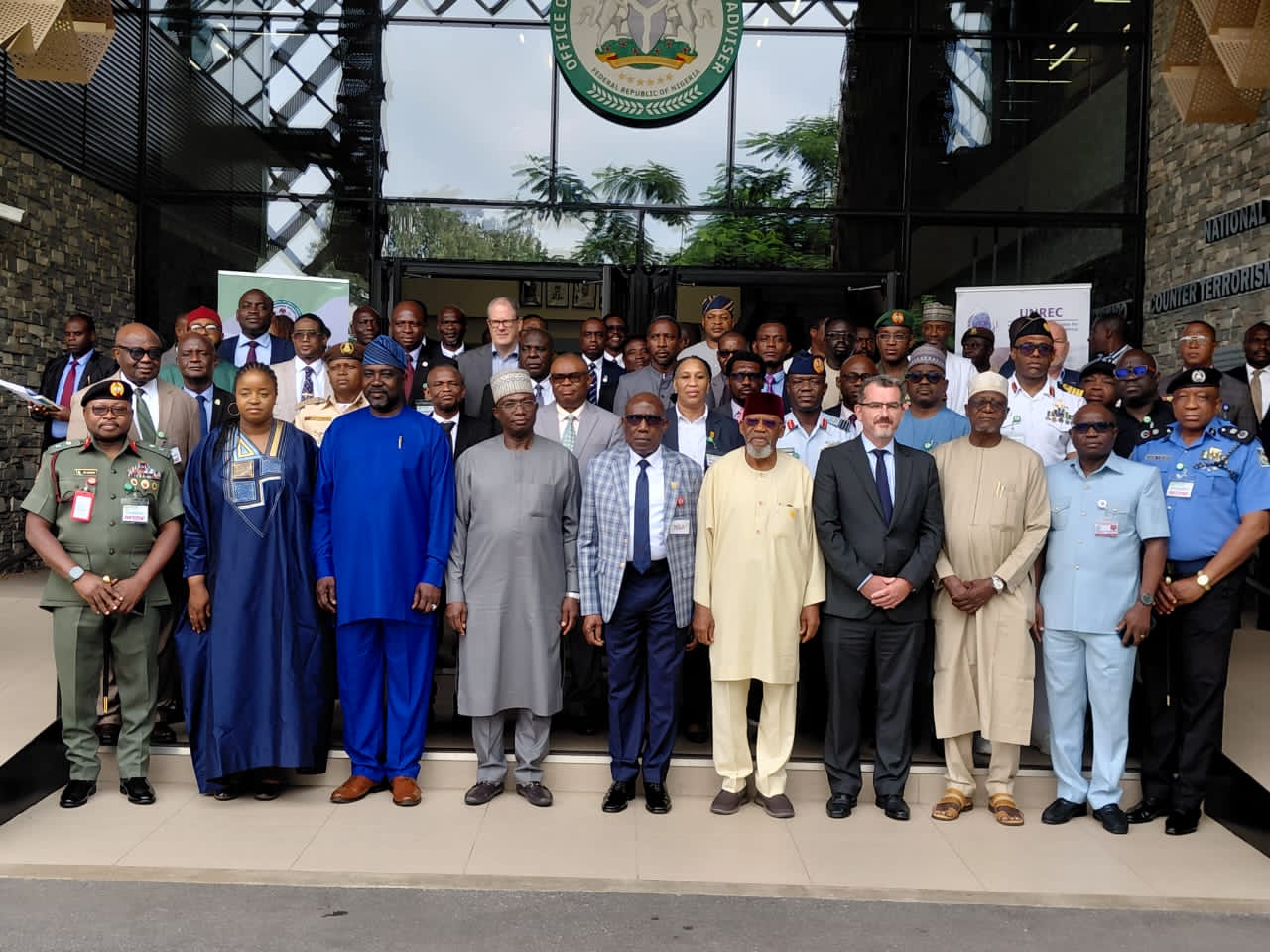
The Director-General of the National Centre for the Control of Small Arms and Light Weapons (NCCSALW), retired DIG Johnson Kokumo, disclosed this in Abuja on Thursday while briefing journalists on the sidelines of a one-day workshop on lessons learnt from the 2016 National Baseline Survey on Illicit Small Arms and Light Weapons.
Kokumo said the previous survey, conducted in 2016 and released in 2021, had become outdated due to significant changes in the pattern of small arms proliferation across the country.
“The last arms survey we had in Nigeria was in 2016 and released in 2021. We feel strongly that having a new small arms survey is long overdue,” he said.
According to him, the proposed exercise will be conducted primarily by Nigerian experts and owned by Nigeria, while international organisations will provide technical assistance and support. He said the survey would commence after the preparatory workshop, which is designed to identify lessons and challenges from the previous exercise.
Kokumo said the new survey would provide reliable statistics needed for national policy formulation and planning, particularly in addressing the changing dynamics of illicit arms proliferation.
The Issues
The need for updated data is underscored by changes in Nigeria’s security environment over the past decade. According to the UN Office for Disarmament Affairs (UNODA), developments have occurred in the sources and routes of illicit arms, their storage, tracing and marking, as well as the activities of non-state armed groups.
Dr Adedeji Ebo, Director/Deputy High Representative of UNODA, said the challenge was not the absence of data but the fact that the available baseline had become outdated.
He said accurate and current information was essential for effective national security planning and threat analysis, noting that Nigeria’s security landscape had changed considerably since the 2016 survey.
The new exercise will therefore need to address methodological gaps identified from the previous survey while ensuring that its findings are sufficiently robust to guide government interventions.
What’s Being Said
Johnson Kokumo, DG, NCCSALW:
“We want to have an arms survey conducted by Nigeria for Nigerians and owned by Nigerians to address the current state of small arms and light weapons proliferation in the country.”
He said the survey would provide Nigeria with statistics needed for policy and planning purposes.
Dr Adedeji Ebo, Director/Deputy High Representative, UNODA:
“If government is going to have accurate national security planning, they need accurate data.”
Ebo said the new exercise would update the 2016 baseline while incorporating lessons learnt from the earlier survey. He also stressed the importance of national and continental ownership of the process.
“So that when we are quoting the figures, we are quoting Nigerian data, not data by Small Arms Survey in Geneva.”
What’s Next
The preparatory workshop will precede the commencement of the new national baseline survey. International partners, including UNODA and the Small Arms Survey in Geneva, are expected to provide technical support and train Nigerian experts in survey methodology.
Ebo said a training-of-trainers approach would be adopted to ensure Nigerian experts can independently conduct future surveys and potentially support similar exercises across West Africa and Africa.
UNODA, working principally through its Regional Centre for Peace and Disarmament in Africa in Lomé, Togo, will support capacity building in areas including arms tracing, marking, policy formulation and engagement with civil society.
The organisation will also assist Nigeria in translating the survey findings into practical policies and strengthening implementation of international disarmament and arms-control instruments, including the UN Programme of Action on Small Arms and Light Weapons and the Arms Trade Treaty.
Bottom Line
Nigeria’s planned new small arms survey is aimed at closing a critical information gap created by a decade-old baseline. Beyond updating figures on illicit arms circulation, the exercise is expected to strengthen Nigerian ownership of arms-control data, build local expertise and provide government with evidence needed to develop more effective security policies and interventions.