







Key points
- Iran says no negotiations or meetings with the United States are planned, contradicting President Donald Trump’s statement.
- Tehran says its only ongoing discussions are with Oman on managing the Strait of Hormuz.
- The conflicting claims come as tensions over Iran’s nuclear programme and regional security remain unresolved.
Main story

Iran has denied holding or planning any negotiations with the United States, contradicting President Donald Trump’s claim that talks between the two countries were set to begin.
Speaking aboard Air Force One on Sunday, Trump said he had opted against launching military action in favour of diplomacy, adding that negotiations with Iran would begin the following afternoon.
However, Iran’s Foreign Ministry spokesman, Esmail Baghaei, dismissed the claim, saying no talks with Washington were under way and no meetings had been scheduled.
According to Baghaei, Iran has no plans to host any U.S. delegation or send negotiators abroad in the coming days. He added that, apart from Foreign Minister Abbas Araqchi, who is on a religious pilgrimage in Iraq, all Iranian negotiators remain in the country.
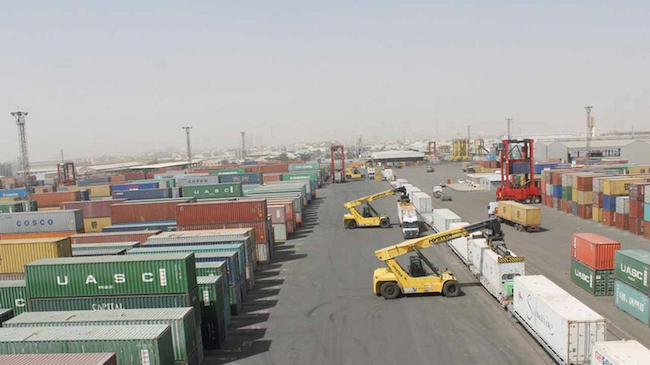
The spokesman said the only discussions currently taking place involve talks with Oman on the management of the Strait of Hormuz.
A senior Iranian source also denied that negotiations with the United States were planned, saying Araqchi would remain unavailable until at least the end of the week.
The conflicting statements come amid continuing tensions following “Operation Epic Fury,” launched more than five months ago by the United States and Israel against Iran.
According to the report, Trump has repeatedly threatened military action before stepping back and citing diplomatic engagement as the preferred option.
Iran, however, has publicly ruled out negotiations with Washington since a memorandum of understanding aimed at ending the conflict collapsed in early July.
The report said the dispute over the Strait of Hormuz remains a major sticking point. While Washington wants guaranteed access through the strategic waterway, Tehran insists any agreement preserves its authority over shipping in the strait.
Oil markets reacted positively to Trump’s latest decision not to proceed with military action, with Brent crude prices reportedly falling by more than four per cent to about $84 per barrel.
Meanwhile, the United Kingdom Maritime Trade Operations (UKMTO) reported that the master of a vessel transiting the Strait of Hormuz had reported an explosion in nearby waters, although no injuries were recorded.
The issues
The latest exchange highlights the fragile state of U.S.-Iran relations, with conflicting public statements raising uncertainty over whether diplomatic engagement is genuinely under way. It also underscores the continued strategic importance of the Strait of Hormuz, a key global oil transit route whose security has significant implications for energy markets.
What’s being said
“Would I rather make a deal? I’m not looking to kill people.” — Donald Trump, U.S. President.
“No negotiations with the United States were taking place and no meetings were scheduled.” — Esmail Baghaei, Iranian Foreign Ministry spokesman.
“The only talks under way… were discussions with Oman over management of the Strait of Hormuz.” — Esmail Baghaei.
What’s next
Attention will remain on whether Washington and Tehran resume formal diplomatic contacts, while developments around the Strait of Hormuz and regional security continue to influence global energy markets.
Bottom line
Iran’s denial of planned talks has cast doubt on Trump’s assertion that diplomacy is replacing military action, leaving uncertainty over the direction of U.S.-Iran relations and the prospects for easing regional tensions.