Key points
- Steel minister calls for partnerships to build a globally competitive steel industry
- Government highlights investment opportunities across mining, steel processing and manufacturing
- Nigeria offers incentives including tax holidays and duty exemptions for investors
- Ministry prioritising revival of Ajaokuta Steel, NIOMCO and ALSCON
- Government links steel sector development to broader industrialisation and AfCFTA opportunities
Main story
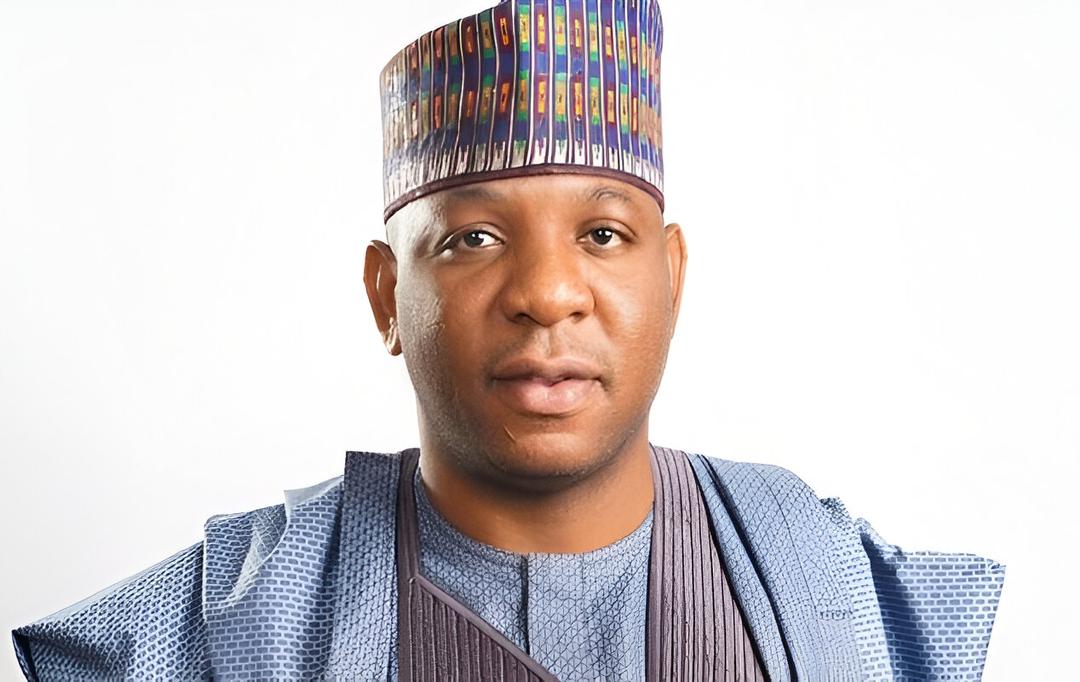
The Minister of Steel Development, Prince Shuaibu Audu, has called for stronger collaboration with investors, manufacturers and development partners to build a world-class steel industry capable of driving Africa’s industrial transformation.
Audu made the appeal on Wednesday during a panel session at the fifth African Natural Resources and Energy Investment Summit (AFNIS) in Abuja. He said Nigeria was positioning its steel sector as a major driver of economic diversification and industrial development and urged stakeholders to take advantage of incentives designed to attract investment. According to the minister, available incentives include tax holidays and exemptions from import duties on selected machinery used in mining and steel operations.
Audu said investment opportunities exist across the steel value chain, including iron ore mining, beneficiation, pelletisation plants, steel rolling mills, fabrication industries, logistics infrastructure, energy integration and industrial parks. He added that the Federal Government remained committed to policy consistency, investor protection, transparency and ease of doing business.
The minister also stressed the importance of regional collaboration, saying the African Continental Free Trade Area (AfCFTA) provides opportunities for manufacturing integration, cross-border investment and increased intra-African trade.
He said Nigeria was ready to work with other African countries to develop a competitive continental steel and manufacturing ecosystem.
Audu further disclosed that the ministry was pursuing strategic initiatives to revive key national assets, including Ajaokuta Steel Company Limited (ASCL), the National Iron Ore Mining Company (NIOMCO) and the Aluminium Smelter Company of Nigeria (ALSCON).
The issues
- Industrialisation and economic diversification
- Investment in Africa’s steel value chain
- Revitalisation of Nigeria’s steel assets
- Regional manufacturing integration under AfCFTA
- Job creation and infrastructure development
What’s Being Said
“The opportunities before us are enormous. The time has come for Africa to leverage its natural resources not merely for export but for industrial transformation, job creation, infrastructure development and long-term prosperity.” — Prince Shuaibu Audu, Minister of Steel Development, calling for greater value addition to Africa’s resources.
“Nigeria’s steel sector presents immense opportunities for investors and strategic partners willing to participate in this transformative journey.” — Audu, highlighting the potential of the country’s steel industry.
“Nigeria seeks partnerships to building a resilient, competitive and sustainable steel industry.” — Audu, inviting investors and industry stakeholders to participate in the sector’s development.
“Nigeria stands ready to collaborate with other African nations in building competitive continental steel and manufacturing ecosystem capable of driving economic prosperity for our people.” — Audu, stressing the role of AfCFTA in advancing industrial growth across Africa.
What’s next
- The Steel Development Ministry is expected to continue efforts to attract investors into mining, steel processing and manufacturing.
- Government plans to advance the revitalisation of Ajaokuta Steel, NIOMCO and ALSCON.
- Nigeria is likely to intensify engagement with regional partners under AfCFTA to deepen industrial cooperation.
- Stakeholders at AFNIS are expected to explore investment and partnership opportunities emerging from the sector.
Bottom line
Nigeria is seeking investment and strategic partnerships to revive its steel industry, with the government positioning the sector as a cornerstone of industrialisation, job creation and long-term economic growth both nationally and across Africa.