



By Boluwatife Oshadiya | June 2, 2026
Key Points
- Brent crude rose nearly 3% to $93.89 per barrel following renewed US-Iran hostilities
- Military exchanges heightened concerns over disruptions to key oil transit routes in the Middle East
- Investors remain focused on geopolitical risks despite ongoing diplomatic discussions
Main Story
Global oil prices moved higher on Monday after fresh military exchanges between the United States and Iran intensified concerns over potential disruptions to crude supply routes across the Middle East.
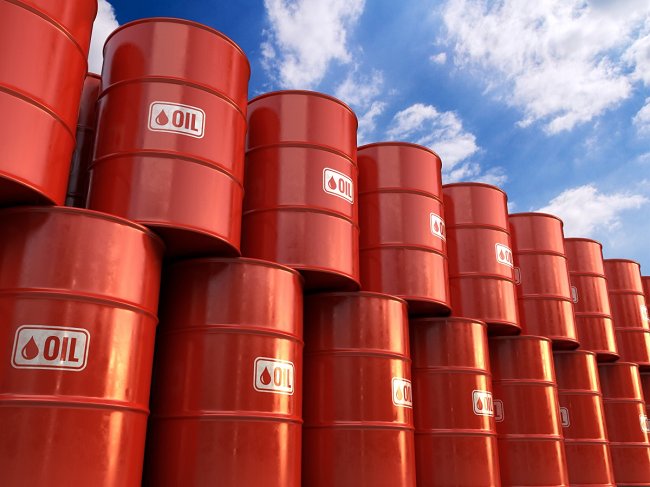
Brent crude, the international oil benchmark, climbed 2.9% to $93.89 per barrel, while West Texas Intermediate (WTI) rose 3.4% to $90.19 per barrel during early trading.
The gains followed a series of military operations over the weekend. The United States Central Command (CENTCOM) confirmed strikes on Iranian radar and drone command facilities in Goruk and on Qeshm Island after what it described as aggressive Iranian actions, including the reported downing of a US MQ-1 drone operating over international waters.
According to CENTCOM, US forces targeted air defence systems, a ground control station, and attack drones believed to pose threats to maritime traffic in the region.
Iran subsequently responded through its Islamic Revolutionary Guard Corps (IRGC), which claimed responsibility for strikes on a US air base allegedly linked to operations against communications infrastructure in southern Iran.
The latest developments have renewed concerns over the security of oil production and transportation routes, particularly around the Strait of Hormuz, through which a significant portion of global crude exports passes.
Markets were also watching developments in Lebanon, where clashes involving Israeli forces and Hezbollah continued despite an existing ceasefire agreement, adding another layer of geopolitical uncertainty to an already fragile region.
What’s Being Said
“The measured and deliberate strikes occurred on Saturday and Sunday in response to aggressive Iranian actions,” CENTCOM said in an official statement following the military operation.
“Any further attacks would trigger a response different in scale and nature,” the IRGC said in a statement carried by Iran’s state-linked media following its retaliatory strike.
Meanwhile, Donald Trump said Iran remained interested in reaching an agreement with Washington, expressing confidence that ongoing negotiations could deliver a favourable outcome.
What’s Next
- Investors will monitor developments in US-Iran negotiations for signs of de-escalation
- Shipping activity through the Strait of Hormuz remains a key focus for energy markets
- Markets are expected to react quickly to any disruption involving major oil infrastructure or export routes
- Traders will also watch economic data from China for signals on global oil demand growth
Bottom Line
The Bottom Line: Oil markets remain caught between geopolitical risk and weakening demand signals. While diplomatic efforts could ease supply concerns, any further escalation involving the United States, Iran, or key regional actors could quickly push crude prices higher again.