By Boluwatife Oshadiya | June 1, 2026
Key Points
- Nigeria imported £1.1 billion worth of refined oil from the United Kingdom in 2025
- Refined petroleum products accounted for 60.5% of all UK goods exports to Nigeria
- Total UK-Nigeria trade increased to £7.6 billion during the review period
Main Story
Nigeria imported £1.1 billion worth of refined petroleum products from the United Kingdom in the 12 months to December 2025, underscoring the country’s continued reliance on imported fuel despite ongoing investments in domestic refining capacity.
The latest Trade and Investment Factsheet published by the UK Department for Business and Trade showed that refined oil remained the largest UK export to Nigeria, accounting for 60.5% of total British goods exported to the country.
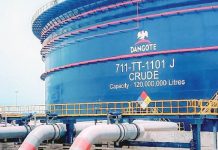
The figure comes as Nigeria seeks to reduce fuel imports through increased output from the Dangote Petroleum Refinery and the ongoing rehabilitation of state-owned refineries operated by the Nigerian National Petroleum Company (NNPC) Limited.
According to the report, refined oil exports significantly outpaced other UK export categories. Toilet and cleansing preparations ranked second at £70.2 million, followed by textile fabrics at £45.7 million and industrial machinery at £42.2 million.
The report also revealed that total trade between Nigeria and the UK rose to £7.6 billion in the four quarters ending December 2025, representing a 10.8% increase from the previous year. UK exports to Nigeria increased to £5.5 billion, while imports from Nigeria reached £2.1 billion.
Nigeria remained one of the UK’s most important African trading partners and ranked as Britain’s 38th largest trading partner globally during the period.
“The UK remains committed to strengthening trade and investment ties with Nigeria while supporting opportunities for sustainable economic growth in both countries,” the UK Department for Business and Trade stated in the report.
What’s Being Said
“The continued importation of refined products reflects the gap between domestic fuel demand and local refining capacity, even as new refining projects begin to scale production,” said energy analyst Kelvin Emmanuel.
“Achieving fuel self-sufficiency will require consistent refinery output, efficient distribution infrastructure, and stable crude oil supply arrangements,” said petroleum industry expert Dan Kunle.
What’s Next
- Industry stakeholders will monitor the expansion of production at the Dangote Refinery and rehabilitated state-owned refineries
- Policymakers are expected to intensify efforts to reduce Nigeria’s fuel import bill and improve domestic refining output
- Future trade data will indicate whether local refining capacity significantly reduces petroleum imports in 2026
Bottom Line
The Bottom Line: While Nigeria’s refining ambitions are gaining momentum, the latest trade figures show that imported petroleum products remain a major component of the country’s energy supply chain. The pace at which domestic refining expands will determine how quickly Nigeria can reduce its dependence on imported fuel.