








By Boluwatife Oshadiya | May 26, 2026
Key Points
- Nigerian Exchange will officially migrate from T+2 to T+1 settlement on June 1, 2026
- Investors will receive cash and securities within one business day after trades
- Reform is expected to improve liquidity, reduce settlement risk and attract foreign capital
Main Story
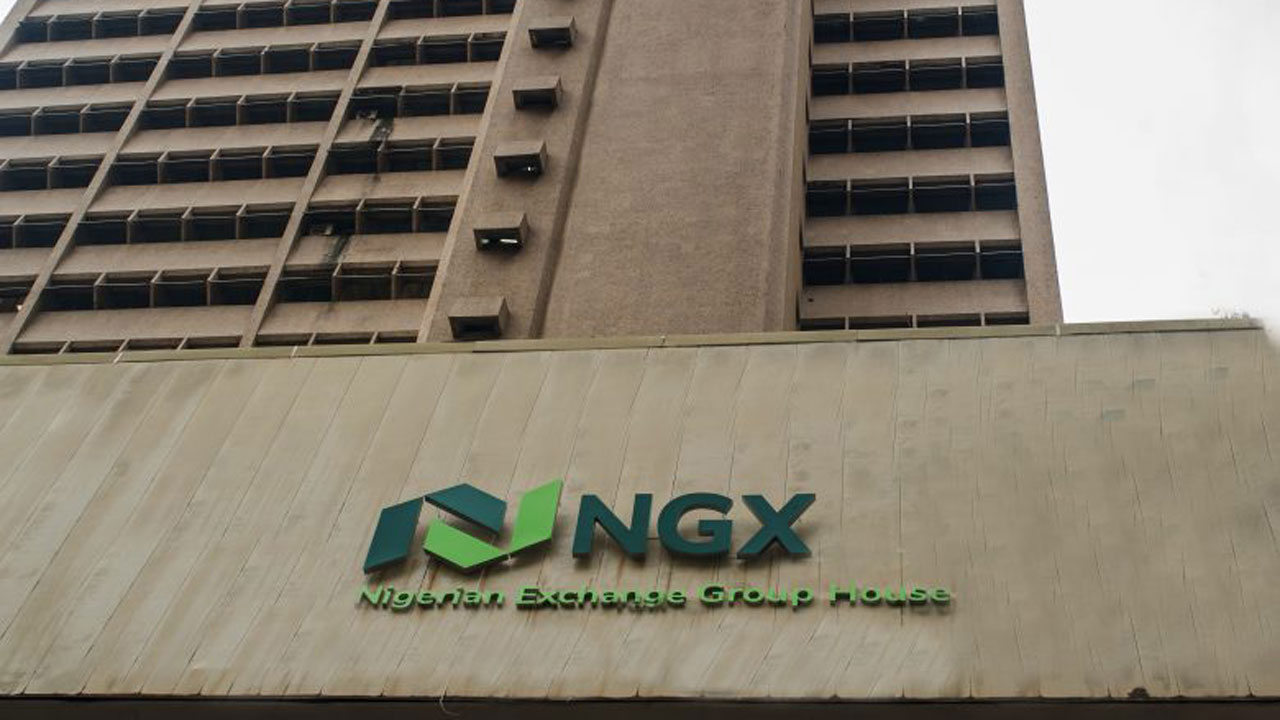
Nigeria’s capital market is preparing for one of its most significant operational reforms in years as the Nigerian Exchange transitions from a T+2 to a T+1 settlement cycle beginning June 1, 2026.

The new framework, introduced by the Securities and Exchange Commission and the Nigerian Exchange Group, will reduce the settlement period for stock market transactions from two business days to one, aligning Nigeria more closely with global market standards.
Friday, May 29, marks the final trading day under the current T+2 system, while full implementation of the accelerated T+1 structure begins the following Monday.
Under the new arrangement, investors who sell shares will receive cleared funds within one business day, while purchased securities will also be credited within the same timeline. Previously, both cash and securities required two business days to settle.
The transition is expected to improve liquidity across the market by enabling faster redeployment of capital and reducing the period during which investor funds remain locked after transactions.
Market operators said a “Convergence Day” scheduled for June 2 will synchronise settlements from both the outgoing T+2 regime and the incoming T+1 framework to ensure operational continuity during the transition phase.
The reform places Nigeria among a growing number of financial markets adopting accelerated settlement systems. Major economies including the United States and India have already implemented T+1 settlement structures as regulators seek to improve market resilience and reduce systemic risk.
Analysts say the shorter settlement cycle could strengthen Nigeria’s attractiveness to foreign institutional investors seeking faster operational efficiency and lower post-trade exposure in emerging markets.
“The transition to T+1 reflects the continued modernization of Nigeria’s market infrastructure and should improve capital mobility across the exchange,” market analysts at Lagos-based investment firms said following the announcement.
The Issues
While the reform promises faster settlement and improved liquidity, it also introduces stricter operational requirements for brokers, custodians and investors. Market participants will now have significantly less time to resolve documentation, funding or transfer issues before trades are finalised.
The success of the transition will depend heavily on the efficiency of settlement infrastructure, investor readiness and the operational resilience of financial institutions handling post-trade activities.
What’s Being Said
“A faster settlement environment improves market efficiency and reduces counterparty risk exposure for investors,” market operators said during the transition briefing.
Independent analysts also noted that shorter settlement cycles could encourage more active trading participation by improving liquidity access for both retail and institutional investors.
What’s Next
- Full implementation of the T+1 settlement cycle begins on June 1, 2026
- June 2 has been designated as “Convergence Day” to synchronise old and new settlement structures
- Regulators and market operators are expected to intensify investor education during the transition phase
Bottom Line
The Bottom Line: Nigeria’s migration to T+1 settlement is more than a technical adjustment — it is a strategic signal that the country’s capital market intends to compete more aggressively for global investment flows. The real test now lies in whether market infrastructure and participants can adapt quickly enough to sustain the pace of a one-day settlement environment.