






Keypoints
- The Kano State Tomato Growers, Processors and Marketers Association is calling for the establishment of processing plants to reduce post-harvest losses.
- Chairman Sani Danladi-Yadakwari reported that fertiliser prices have risen to N55,000 per bag.
- Transportation costs for moving tomatoes from Kano to Lagos have reached approximately N1 million per truck.
- Post-harvest losses currently stand between 5% and 10% due to reduced production volumes.
- The association is advocating for subsidised inputs, including tractors, irrigation facilities, and credit to sustain farming.
Main Story
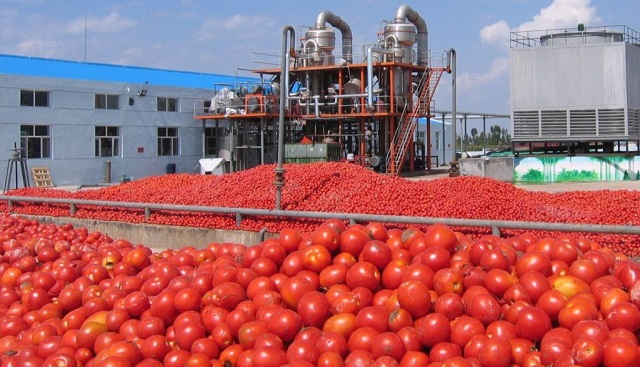
The Kano State Tomato Growers, Processors and Marketers Association has called for urgent government intervention to establish tomato processing industries to sustain production and reduce post-harvest losses.
Chairman of the association, Sani Danladi-Yadakwari, made the call in an interview with the News Agency of Nigeria (NAN) in Kano on recently.
He urged the government to make farm inputs more affordable, stating that the lack of processing companies and reliable off-takers remains a major challenge. Many farmers are currently forced to transport produce outside the state or country to find buyers.
Danladi-Yadakwari noted that rising production costs, particularly for fertilisers and irrigation, have forced many smallholder farmers to reduce cultivation or switch crops.
Fertiliser now costs about N55,000 per bag, while high fuel prices have pushed the cost of transporting a truck of tomatoes to Lagos to N1 million.
While post-harvest losses have dropped from 30% to between 5% and 10%, the chairman attributed this to lower production volumes rather than improved infrastructure. The association is appealing for access to subsidised tractors and credit facilities to boost the local tomato value chain.
The Issues
- The absence of local processing facilities forces farmers into long-distance logistics, exposing highly perishable produce to significant spoilage risks.
- Skyrocketing costs for essential inputs like fertiliser (N55,000/bag) and transportation (N1 million/truck) are making tomato farming economically unviable for smallholders.
- Reduced production volumes have artificially lowered post-harvest loss percentages, masking the underlying lack of storage and processing infrastructure.
What’s Being Said
- “Our major challenge is market access. We do not have enough processing companies to absorb our produce locally, and this affects farmers seriously,” said Sani Danladi-Yadakwari.
- “That is why we are appealing to the government and private investors to support tomato processing industries so that farmers can have guaranteed markets,” he added.
- “So many farmers are often forced to transport their produce outside Kano, and sometimes outside the country, in search of buyers,” the chairman stated regarding the market search.
What’s Next
- The association plans to continue engaging with private investors to highlight the profitability of establishing processing plants in Kano.
- Farmers are awaiting government response regarding the provision of subsidised fertilisers and irrigation equipment ahead of the next planting cycle.
- Ongoing monitoring of fuel prices will determine if transportation costs to southern markets like Lagos will remain at the current N1 million threshold.
Bottom Line
Kano’s tomato industry is facing a dual crisis of high input costs and a lack of local processing, prompting a plea for industrial intervention to prevent farmers from abandoning the crop entirely.