







Uncertainty continues to surround Nigeria’s 2026 FIFA World Cup qualification hopes as football’s global governing body prepares to deliver a decision on a formal petition filed by the Nigeria Football Federation (NFF) against DR Congo.
The case stems from allegations that the Central African side fielded ineligible players during the decisive African play-off final held in November 2025. Although earlier reports suggested a verdict would be issued following FIFA’s meeting on Monday, no official communication has yet been released. The ruling is now anticipated on Tuesday.
Across Nigeria and the wider African football community, anticipation remains high. The outcome could significantly alter the final stages of qualification, potentially restoring the Super Eagles to contention for one of the remaining World Cup spots.
The Contested Match
The dispute originates from the African play-off final in November 2025, where Nigeria’s Super Eagles were defeated by DR Congo 4–3 in a penalty shootout. The result eliminated Nigeria from the qualification race for the 2026 FIFA World Cup.
The loss marked a major setback for the three-time African champions, who had sought to secure a place at the global tournament scheduled to be hosted across the United States, Canada, and Mexico.
Nigeria’s Formal Complaint
In December 2025, the Nigeria Football Federation formally lodged a complaint with FIFA, contesting the eligibility status of certain DR Congo players who participated in the play-off match.
The NFF’s submission alleges that some members of the Congolese squad had recently altered their nationality status in a manner that may conflict with both domestic nationality laws and FIFA’s regulations governing player eligibility and nationality switches.
Players Under Scrutiny
According to Nigeria’s petition, several DR Congo players, including Aaron Wan-Bissaka and Axel Tuanzebe, possess dual nationality status. The NFF argues that this dual status may contravene eligibility requirements applicable to players representing DR Congo under both national and FIFA frameworks.
The core of the dispute revolves around whether these players were properly cleared to represent DR Congo under existing statutes.
DR Congo’s Nationality Framework
Nigeria’s argument references DR Congo’s constitutional provisions, which reportedly restrict or prohibit dual citizenship. The NFF maintains that if DR Congo’s domestic law does not recognise dual nationality, then fielding players who hold more than one nationality could present a legal inconsistency.
Beyond domestic law, FIFA maintains its own procedures for nationality changes and eligibility approvals. The adjudicating body must now determine whether all regulatory conditions were satisfied before the players featured in the decisive encounter.
What the NFF Is Seeking
The Nigeria Football Federation is requesting that FIFA nullify the play-off result. Among the possible remedies sought are the disqualification of DR Congo, a match forfeiture, and a potential 3–0 victory awarded to Nigeria.
Additional disciplinary measures, including fines or other sanctions, could also be considered depending on the findings of FIFA’s review.
Potential Consequences if the Protest Is Upheld
Should FIFA determine that eligibility rules were breached, the governing body has several options at its disposal. These may include awarding a technical 3–0 victory to Nigeria, imposing financial penalties, adjusting qualification standings, or even disqualifying DR Congo from further competition.
However, sanctions of this magnitude in knockout-stage play-offs are uncommon unless compelling evidence of regulatory violations is established.
It is also possible that even a favourable ruling for Nigeria may not translate directly into automatic qualification. Alternative measures could include replaying the fixture or adjusting the qualification pathway. Speculation has circulated that other national teams, including Cameroon, might also be affected depending on the final ruling.
If the Petition Is Rejected
Conversely, if FIFA dismisses Nigeria’s protest, DR Congo’s qualification result will stand. That outcome would definitively end Nigeria’s campaign for the 2026 tournament, closing any remaining administrative avenues for reversal. Such a decision would reinforce the original penalty shootout result and confirm DR Congo’s progression within the qualification structure.
Historical Precedents in Eligibility Disputes
FIFA has, in previous cases, overturned match outcomes or imposed sanctions where ineligible players were fielded. However, each ruling has been determined by the specific legal and procedural context of the case under review. Eligibility disputes often require detailed examination of documentation, nationality records, and approval processes related to player status changes.
No Official Decision Yet
As of Tuesday, FIFA has not issued a formal ruling on the matter. Reports that circulated on Monday suggesting that Nigeria had already secured a favourable decision were dismissed by the Nigeria Football Federation.
Ademola Olajire, Director of Communications at the NFF, clarified the situation, stating: “There is no decision from FIFA at this time. Any claims that a ruling has been made are false.” The federation has urged the public to disregard unverified information until an official statement is released by the global governing body.
What Happens Next
The football community now awaits FIFA’s definitive position on the dispute. The decision could either revive Nigeria’s World Cup ambitions or confirm their elimination from the qualification process.
Until the governing body formally announces its ruling, the outcome remains uncertain — leaving supporters and stakeholders closely monitoring developments at FIFA headquarters.
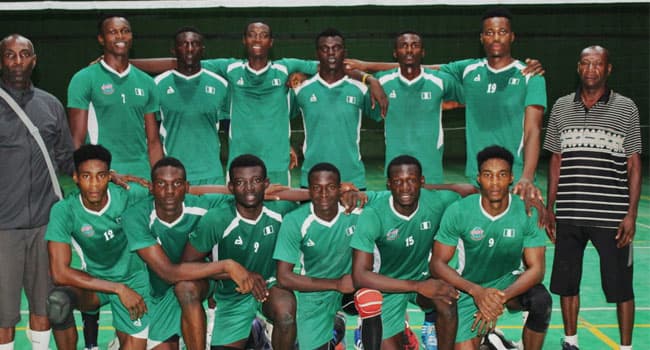





 against DR Congo.)