






The Lagos Coastal Road is more than just a transportation route; it is a crucial economic hub with the potential to reshape Lagos State’s spatial development, competitiveness, and long-term growth trajectory. When completed to specification and properly managed, the road can act as a catalyst for investment, productivity, climate resilience, and regional integration, rather than simply being a mobility project.
1. Strategic Context Lagos is Africa’s largest city economy, yet it faces significant challenges from severe congestion, land scarcity, and infrastructural bottlenecks along its traditional north–south and mainland–island routes. The coastal corridor introduces a new east–west development backbone, linking Victoria Island, Lekki, Epe, and future coastal extensions. This facilitates unlocking underutilised coastal lands and shifts economic activity away from overloaded urban centres.
2. Economic Opportunity Corridor As an axis of opportunity, the coastal road enables:
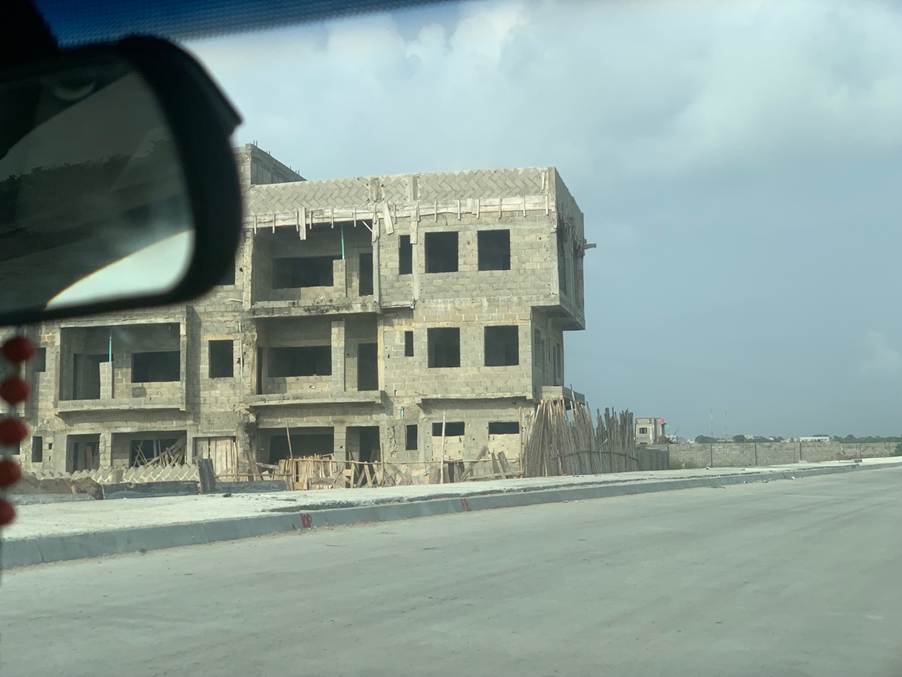
– Real estate and urban expansion: Planned mixed-use developments, residential estates, hospitality, and commercial zones may emerge along the corridor, easing pressure on central Lagos. They will contribute to existing developments.
– Industrial and logistics growth: Proximity to Lekki Deep Sea Port, the Dangote Refinery, free trade zones, and industrial parks positions the road as a logistical backbone for exports, imports, and manufacturing.
– Tourism and leisure economy: Beachfront development, resorts, conference facilities, and cultural attractions can boost Lagos as a competitive coastal tourism destination.
– SME and service sector growth: Construction, retail, transport services, and related businesses will benefit from increasing demand and population movement.
3. Investment and capital mobilisation infrastructure of this scale signals policy intent and boosts investor confidence. The coastal road offers a strong foundation for:
– Public-private partnerships (PPPs)
– Land value capture and structured real estate financing
– Long-term institutional capital (pension funds, sovereign investors)
– Diaspora and foreign direct investment
When aligned with clear zoning, transparent land management, and enforceable development standards, the corridor becomes a predictable investment environment rather than a speculative one.
4. Climate Resilience and Environmental Imperatives The coastal road is located at the crossroads of economic development and climate risk. Lagos is highly susceptible to sea-level rise and coastal erosion. With effective shoreline protection, drainage infrastructure, and environmental buffers, the road can serve as:
– A coastal defence asset.
– A platform for climate-resilient urban planning.
– An example of infrastructure adapted to future climate realities.
Neglecting environmental safeguards could turn this opportunity into a long-term liability.
5. Social and Spatial Inclusion As an opportunity corridor, the road must avoid becoming an exclusive enclave. Deliberate policies are essential to ensure:
– Affordable housing alongside premium developments.
– Access roads and transportation links for local communities.
– Job creation for residents during construction and operation
– Integration with mass transit systems to prevent car-dependent sprawl
Inclusive planning will determine whether the corridor reduces or widens socio-economic divides.
6. Governance as the Crucial Element. Ultimately, the value of the Lagos Coastal Road hinges on strong governance. Clear land use plans, transparent concession agreements, regulatory enforcement, and consistent communication will decide whether the road becomes:
– An internationally competitive coastal development corridor, or
– A congested, speculative strip repeating familiar urban failures.
The Lagos Coastal Road offers a chance to redefine infrastructure as a form of economic architecture. If Lagos synchronises its transport, land-use, climate-resilience, and investment policies along this corridor, it can establish the groundwork for the city’s next phase of growth—more productive, more resilient, and more globally competitive. The potential exists, but realising it demands careful planning, strong governance, and ongoing effort.