







Let’s be honest—Nigerian billionaires don’t invest like the rest of us. Not because they’re mysterious, but because they’re patient. Strategic. Sometimes almost boring. While social media chases the next shiny thing, these guys are usually asking quieter questions. Where does power move next? What still works when policies wobble? And what survives inflation without drama?
2026 feels like one of those years where those questions matter more than usual. The economy is adjusting, reforms are still settling, and confidence—while fragile—is slowly rebuilding. So where does serious money likely go next?
Here’s the thing: it’s not one place. It never is.
1. Real Assets: Because Concrete Still Doesn’t Lie
You know what? Nigerian billionaires have never stopped believing in real assets. Land. Property. Infrastructure. Warehouses. Industrial parks. There’s a reason for that. When currencies shake and markets talk too much, land just sits there. Quiet. Unbothered. Appreciating slowly.
In 2026, expect continued interest in:
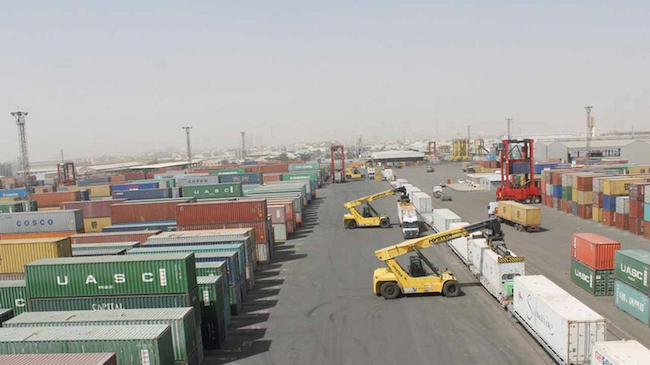
- Commercial real estate (especially logistics hubs)
- Industrial land near ports and trade corridors
- Mixed-use developments in fast-growing cities
It’s not flashy. It’s not trending on X. But it works. And for people who think in decades, that’s enough.
2. Energy Plays: Old Oil, New Power, Same Logic
Despite all the noise, energy remains central. Nigeria still runs on it. So do its industries. Some billionaires are sticking with oil and gas—especially downstream assets that offer steady cash flow. Others are spreading bets into power generation, gas infrastructure, and renewables. Not because it’s fashionable, but because energy gaps still exist. And gaps mean opportunity.There’s a mild contradiction here. Oil is “old,” renewables are “new.” Yet smart money doesn’t argue ideology. It argues margins.
3. Tech, But Without the Noise
Let me explain something subtle. Nigerian billionaires are not avoiding tech. They’re avoiding chaos. In 2026, the interest won’t be in loud consumer apps. It’ll be in infrastructure tech—payments, logistics, enterprise software, AI-adjacent services that make businesses faster or cheaper. Think less hype, more utility. Fintech is still attractive, but only where regulation feels predictable. Logistics tech? Very likely. Data services? Quietly interesting. Honestly, the best tech investments won’t trend. You’ll hear about them years later.
4. Dollar Assets: The Silent Safety Net
If there’s one habit Nigerian billionaires never drop, it’s diversification outside the naira. In 2026, offshore assets—stocks, bonds, property—remain a form of insurance. Not panic. Insurance. This isn’t about abandoning Nigeria. It’s about balance. When you’ve seen currency cycles repeat themselves, you stop pretending one basket is enough. Some will go conservative. Others will take calculated risks abroad. Either way, foreign exposure stays part of the playbook.
5. Agriculture, But Grown-Up Agriculture
Agriculture always comes up. But here’s the shift: raw farming is no longer the main attraction.
Processing is.
Storage is.
Export logistics is.
In 2026, billionaires interested in agriculture are looking at value chains, not farmland selfies. Rice mills. Cassava processing. Cold storage. Export-ready facilities. It’s less romantic. More profitable. And far more aligned with policy incentives.
6. Betting on Nigerians Themselves
Here’s a truth many overlook. Nigerians consume—no matter what. Food. Toiletries. Mobile data. Transport. Everyday essentials don’t disappear during tough times; they just change brands. That’s why FMCG, retail distribution, and mass-market services continue to pull capital. Billionaires understand volume economics. Slim margins. Massive reach. If millions buy something every day, someone is making serious money quietly.
7. Influence and Legacy Plays
This one’s delicate, but real. Media. Think tanks. Education. Policy-adjacent ventures. Not everything is about immediate profit. Some investments shape narratives, access, and long-term influence. In 2026, expect continued funding for platforms that control information, training, or public conversation. Call it legacy. Call it leverage. Often, it’s both.
So, What Does This All Mean?
Nigerian billionaires aren’t gamblers. They’re chess players. And 2026 looks like a year for steady positioning, not dramatic moves. The pattern is familiar—real assets, energy, cautious tech, dollar protection, smarter agriculture, everyday consumption, and long-game influence. No single bet defines the year. The mix does.
And maybe that’s the real lesson here. Wealth at that level isn’t about guessing right once. It’s about never being exposed when things swing.