





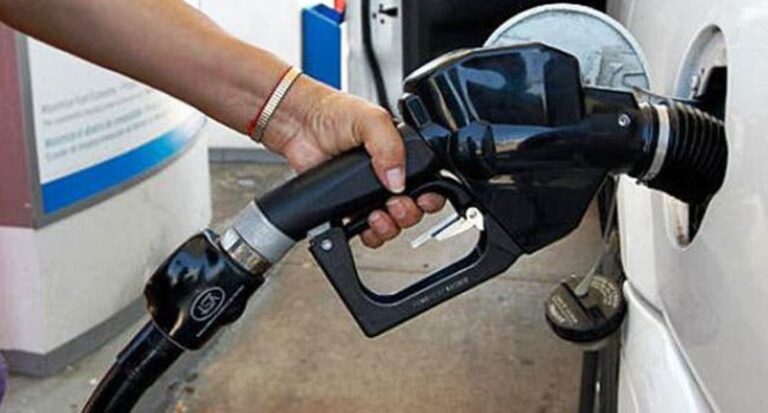
Nigeria’s downstream petroleum sector is currently grappling with a significant price divide, as MRS filling stations nationwide maintain a ₦739 per litre benchmark while competitors sell as high as ₦930. This ₦191 disparity, highlighted in reports on Monday, January 19, 2026, is largely driven by a strategic partnership between the Dangote Petroleum Refinery and MRS Oil Nigeria Plc.
While Dangote has slashed its gantry price to ₦699 per litre to discourage imports, many independent marketers continue to sell at higher rates, citing old inventory and the higher landing costs of imported petrol.
The price advantage at MRS has triggered massive queues at its outlets in major cities like Abuja, Lagos, and Kano. Analysts at the Centre for the Promotion of Private Enterprise (CPPE) warn that these “isolated price discounts” may be creating market distortions. While consumers celebrate the savings, experts like Professor Wumi Iledare argue that the time lost in long queues often offsets the ₦76 to ₦100 per litre gain.
Conversely, independent stations like Aliko and Matrix maintain patronage by highlighting pump accuracy and shorter wait times, appealing to motorists who prioritize convenience over cost.
A core point of friction remains the ongoing volume of petrol imports despite increasing domestic capacity. In late 2025, imports still accounted for roughly 66% of daily consumption, a trend that critics say “kills local industry.”
The Nigerian Midstream and Downstream Petroleum Regulatory Authority (NMDPRA) has faced calls to explain why import licenses for the first quarter of 2026 exceed current supply gaps. Under the Petroleum Industry Act (PIA), the market is intended to be fully deregulated, but the “crude-for-naira” arrangement for local refiners has provided them a significant cost buffer that importers cannot match.
To further stabilize the market, the Dangote Refinery recently reduced its minimum purchase volume from 500,000 to 250,000 litres, offering a 10-day credit facility to help more marketers bypass importers.
As the refinery ramps up to 50 million litres per day, industry leaders like PETROAN President Dr. Billy Gillis-Harry have expressed readiness to fully abandon imports if supply stability is guaranteed. For now, the “price war” continues, with the government expected to implement a 15% import tariff later this quarter to further tilt the scales in favor of local refining.