







The Federal Government has launched a new national housing strategy that places private sector investment at the heart of mass housing delivery. Minister of Housing and Urban Development, Ahmed Dangiwa, announced the shift on Monday, January 19, 2026, during the 14th National Council on Lands, Housing and Urban Development in Ilorin.
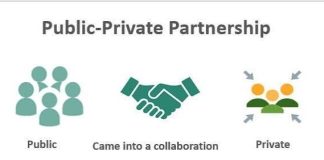
The framework moves away from total budgetary reliance, instead positioning Public Private Partnerships (PPP) as the primary engine for bridging a housing gap currently estimated in the tens of millions.
Speaking through Alhaji Mukhtar Ilyasu, the Director of Planning, Research and Statistics, the Minister emphasized that effective land administration will now be the central pillar of housing delivery. To support this, the government is introducing land governance reforms and investment friendly frameworks designed to attract private capital.
The policy also prioritizes the large scale use of locally sourced building materials to reduce construction costs and modernize cities through strategic urban renewal and regeneration tools.
The council meeting, themed “Achieving Housing Delivery and Sustainable Cities,” highlighted the need for coordinated action between federal and state governments. In Kwara State, Commissioner Dr. Olusegun Ogunsola showcased the 20,000 hectare Kwara Smart City project as a response to the chaotic growth of Ilorin.
By restructuring the Kwara Geographic Information Services (KWAGIS) and reviewing the city’s master plan for the first time in decades, the state is leveraging private capital to transform expanding slums into planned urban centers with improved infrastructure and municipal services.
Minister Dangiwa further revealed that innovative housing finance models are being introduced to unlock long term funding for real estate development. This unified housing agenda aims to ensure that future urban growth is controlled and resilient to climate related challenges.
By aligning land management with private sector efficiency, the government expects to stimulate local industries and provide more affordable, high quality residential options for Nigeria’s rapidly growing population.