






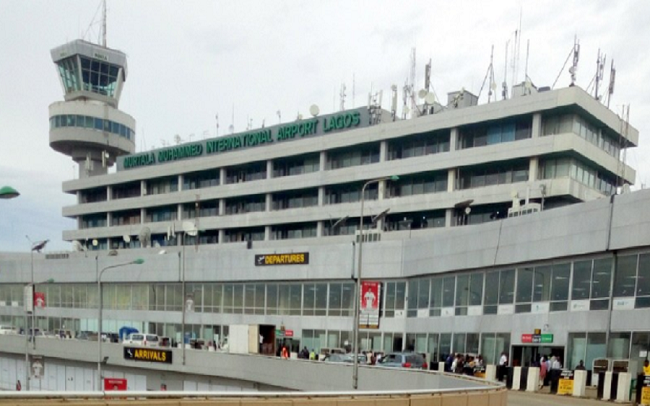
Nigeria’s domestic aviation industry is facing a significant squeeze in passenger capacity as the year 2025 draws to a close. New data from the aviation analytics firm OAG shows that the number of available seats on local flights fell to 850,420 in December.
This represents a 7.5 percent decline compared to the same month in 2024. The drop is one of the sharpest seen among major African markets, signaling a period of reduced activity for the country’s air travel sector.
The situation in Nigeria stands in contrast to the growth seen in other African nations. South Africa remains the continent’s leader in domestic travel, with over 1.8 million seats and a nearly 7 percent increase in capacity. Other countries like Tanzania and Algeria recorded massive expansions of over 26 percent. Even smaller markets like Cape Verde saw rapid growth, while Nigeria and the Democratic Republic of Congo were among the few to experience a notable contraction.
Several deep-rooted challenges are contributing to this shortage of seats in Nigeria. A major factor is the difficulty local airlines face when trying to lease aircraft. For years, the country was blacklisted by global aviation groups because some carriers failed to follow international leasing rules.
Although Nigeria has recently improved its compliance and was removed from a major watchlist in late 2024, the effects of the previous blacklisting still linger. Most local airlines are still struggling to secure “dry leases,” which allow them to operate planes with their own crews at a much lower cost.
Beyond leasing troubles, the high cost of maintaining planes is keeping many aircraft on the ground. Nigeria currently lacks specialized facilities for major repairs on large aircraft. This forces airlines to fly their planes abroad for servicing, a process that can cost hundreds of thousands of dollars per trip.
These planes often remain out of service for several months, further reducing the number of available seats for passengers. While major airlines like Air Peace and Ibom Air are building their own repair centers, these facilities are not yet fully operational.
Economic pressures are also playing a role in the industry’s struggle. High interest rates make it difficult for airlines to borrow money to buy new planes, which can cost up to 80 million dollars each. At the same time, the rising cost of fuel and new taxes have pushed ticket prices higher, leading some travelers to choose road transport instead.
Industry leaders warn that unless these structural and financial issues are addressed, the domestic market may continue to shrink even as demand for travel remains high during the festive season.